Segunda chance

Segunda Chance

E se os maiores dons de D‑us precisassem primeiro ser quebrados para que pudéssemos realmente recebê-los?

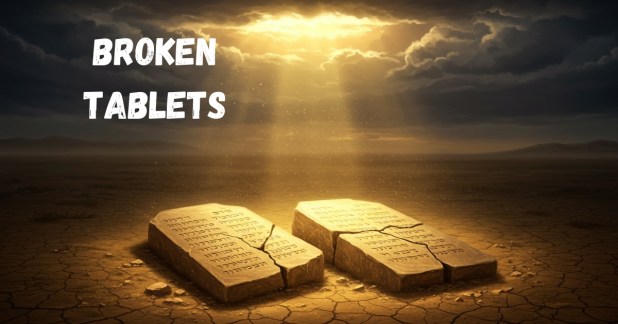
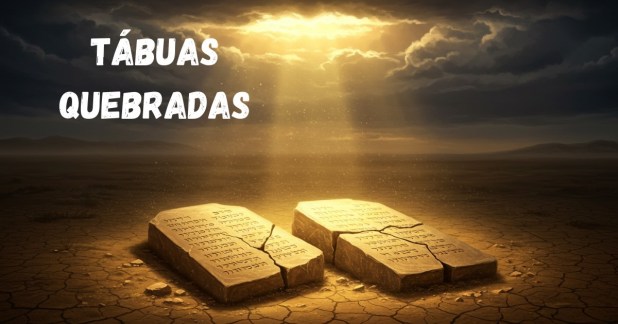
Essa pergunta ecoa por toda a Escritura, do Monte Sinai ao Gólgota, das tábuas estilhaçadas ao corpo transpassado do Messias. A história de Israel não é apenas um ciclo de desobediência e perdão, mas um testemunho vivo de que D‑us escreve histórias de redenção em meio aos escombros da fragilidade humana. Ele não abandona Seu povo em tempos de falha. Pelo contrário, Ele se aproxima no momento da queda e oferece algo ainda mais profundo: uma segunda chance. No Sinai, D‑us entregou a Israel uma aliança escrita por Sua própria mão. No entanto, antes que o povo estivesse preparado para carregar Suas palavras, aquelas tábuas de pedra foram quebradas. Moisés desceu do monte e viu a nação entregue à idolatria, dançando ao redor de um bezerro de ouro. A aliança foi rompida antes mesmo de ser plenamente recebida. Não foi quebrada por D‑us, mas pelo próprio homem. Séculos depois, quando Yeshua veio ao mundo, trazendo a oferta do Reino dos Céus, Ele também foi rejeitado e quebrado, não apenas por judeus, mas também por gentios. A história se repetia: a dádiva foi recusada, o portador da aliança foi transpassado.

Ambos os momentos revelam um padrão divino. As falhas humanas podem interromper os planos de D‑us, mas não os destroem. Elas abrem o caminho para algo ainda mais misterioso e belo, a segunda chance.

Isso revela quem somos: falhos. Revela quem D‑us é: misericordioso. Essa verdade vai além de uma ideia teológica. É um padrão espiritual. O D‑us de Israel não descarta o que foi quebrado. Ele restaura. Ele reescreve. Ele concede novamente aquilo que foi perdido ou rejeitado.

No livro de Deuteronômio, Moisés relembra que o pecado do bezerro de ouro, um dos momentos mais vergonhosos da história de Israel, não foi o fim. As primeiras tábuas foram destruídas no dia 17 de Tamuz do calendário hebraico, mas a misericórdia de D‑us não cessou ali. Após quarenta dias de intercessão e arrependimento, Moisés subiu novamente ao Sinai. E no dia de Yom Kipur (dia do perdão), ele desceu com um novo conjunto de tábuas, ainda contendo a Palavra de D‑us, mas agora entregues a um povo quebrantado. Esse é o movimento da disciplina divina. D‑us não ignora a rebeldia, mas tampouco encerra a história com julgamento. Ele permite que sejamos quebrados para que sejamos reconstruídos. Não mais frágeis, mas mais sábios. O relacionamento entre Israel e D‑us seguiu em frente, agora marcado não apenas pela revelação, mas também pelo arrependimento. Esse padrão se manifesta de forma ainda mais clara no Messias. Quando Yeshua veio pela primeira vez, trouxe consigo o convite ao Reino. Muitos líderes O rejeitaram, mas uma multidão de judeus O acolheu. Ainda assim, Sua missão encontrou resistência. Aos olhos humanos, tudo parecia terminar em fracasso. O dom precioso, o próprio Filho, foi zombado, transpassado e crucificado por gentios com a conivência de alguns judeus, por aqueles que igualmente não reconheceram o valor da dádiva. Mas o que parecia ser o fim foi, na verdade, o ponto de partida. Por meio da ressurreição, Yeshua não apenas garantiu o perdão, mas também selou a promessa de Sua volta. Assim como Israel recebeu a Torá pela segunda vez, o mundo receberá o Messias pela segunda vez. Sua missão não foi cancelada, ela foi aprofundada. Foi adiada, não por fraqueza, mas para que a redenção alcançasse mais corações. Aos olhos humanos, tudo parecia perdido, como as tábuas quebradas no Sinai. Mas a cruz se tornou o alicerce da restauração. Através da Sua entrega, recebemos reconciliação. E com Sua volta, receberemos a plenitude do Seu Reino.

Nos capítulos 7 a 11 de Deuteronômio, somos lembrados de que a vida não é sustentada apenas por comida ou bênçãos materiais. Moisés declara:

“O ser humano não vive só de pão, mas de toda palavra que procede da boca do Senhor” (Deuteronômio 8:3).

Yeshua também usou esse versículo ao ser tentado no deserto, afirmando que Sua força vinha da obediência e da Palavra, não de saciar o estômago. Mesmo em uma terra que mana leite e mel, a verdadeira fonte de vida é a voz de D‑us. As sete espécies da Terra: trigo, cevada, uvas, figos, romãs, azeitonas e mel, simbolizam abundância. Mas Moisés ensina que o alimento mais importante é espiritual. E até mesmo o ato de comer se torna um momento de comunhão com o Criador:

“Quando tiveres comido e estiveres satisfeito, bendize ao Senhor teu D‑us” (Deuteronômio 8:10).

Esse gesto simples, bendizer após comer, revela uma nova dimensão da segunda chance. Não apenas nas grandes narrativas, mas também nas rotinas diárias, o Eterno nos convida a recomeçar. Cada refeição pode se tornar uma oportunidade de bênção. Cada falha, uma chance de retorno. Até nos momentos mais comuns, a misericórdia de D‑us se renova.

Moisés faz uma pergunta profunda ao povo:

“E agora, Israel, que é que o Senhor teu D‑us exige de ti? Que temas o Senhor teu D‑us, que andes em todos os Seus caminhos, que O ames, que O sirvas de todo o teu coração e de toda a tua alma, e que guardes os mandamentos do Senhor, para o teu bem” (Deuteronômio 10:12–13).

Essa tensão entre amor e temor define a espiritualidade bíblica. Temor sem amor gera ritualismo frio. Amor sem temor gera frivolidade, descuido e atrevimento. Juntos, formam o solo fértil da obediência genuína. E mais uma vez, vemos a segunda chance se revelar.

Há quem pense que a Torá é apenas um código de regras e que a graça veio para eliminá-las. Mas Yeshua não veio para abolir a Torá. Ele veio para circuncidar os corações. Veio para que o Espírito escrevesse a Lei (Torá) por dentro. O problema nunca foi a Lei, como diz o salmista ela é Salmo 19:7. “A Torá do Senhor é perfeita, restaura a alma.” O problema sempre foi o coração. Mas corações podem ser transformados. Moisés clamou:

“Circuncidai, pois, o prepúcio do vosso coração, e não endureçais mais a vossa cerviz” (Deuteronômio 10:16).

A circuncisão do coração significa remover o orgulho, a resistência, o pecado. É um processo de esvaziamento, de santificação. Na economia divina menos (o remover do prepúcio) é mais. Para andar com D‑us, é preciso deixar para trás aquilo que impede a caminhada. E como profetizou Jeremias, chegará o tempo em que a Torá (Lei) será escrita nos corações do povo (Jeremias 31:33). Essa é a verdadeira segunda chance: não apenas perdão, mas transformação.

Depois da queda com o bezerro de ouro, Moisés subiu novamente ao monte. O povo, dessa vez, esperou. Não repetiu o erro. Entendeu que o tempo da espera também era sagrado. Nós também vivemos entre dois momentos: a primeira vinda de Yeshua e Sua prometida volta. Em Lucas 12, Ele conta uma parábola sobre um servo que pensa que seu senhor está demorando e começa a viver de forma irresponsável. Mas o senhor volta de surpresa. A questão não é se o Messias voltará. É como Ele nos encontrará. A segunda chance não é apenas uma memória do passado. É um chamado atual.

A segunda chance não é apenas doutrina. Ela é prática. Ela molda o modo como vivemos agora.

• Receba suas falhas como convites

Assim como Israel no Sinai, nossas falhas podem parecer definitivas. Mas nas mãos de D‑us, até o que foi quebrado pode se tornar base de uma aliança ainda mais profunda. Quando cair, levante-se com arrependimento.

• Pratique a gratidão todos os dias

A Torá nos ensina a abençoar depois de comer. Comece com pequenas atitudes de gratidão e logo seu coração perceberá os sinais da graça de D‑us nas coisas simples.

• Equilibre amor e reverência

Busque a D‑us como Pai que ama e como Rei que governa. Esse equilíbrio impede que a obediência se torne fardo ou descuido.

• Prepare-se durante a espera

Vivemos entre o que foi quebrado e o que será restaurado. Use esse tempo para crescer em santidade, vigilância e amor.

A história das segundas tábuas e a promessa da volta do Messias apontam para uma única verdade essencial:

Nosso D‑us é o D‑us das segundas chances. Suas dádivas podem ser quebradas. Seus planos podem parecer adiados. Mas Sua misericórdia jamais falha. Todos nós carregamos nossas tábuas partidas, episódios de culpa, rebelião ou tristeza. Mas D‑us não nos rejeita. Ele reescreve Sua aliança em tábuas novas. Ele escolhe corações quebrantados para revelar Sua fidelidade. A pergunta não é se Ele voltará, mas se estaremos prontos quando Ele retornar. Que sejamos encontrados fiéis, gratos e obedientes, andando não apenas na luz de Sua Palavra, mas no Espírito da Sua Lei.

Que esse dia venha logo, com rapidez, ainda em nossos dias. Amém.

Adivalter Sfalsin

Emptiness or Presence?

Emptiness or Presence?

In the Silence of the Stars, the Voice of the Creator,

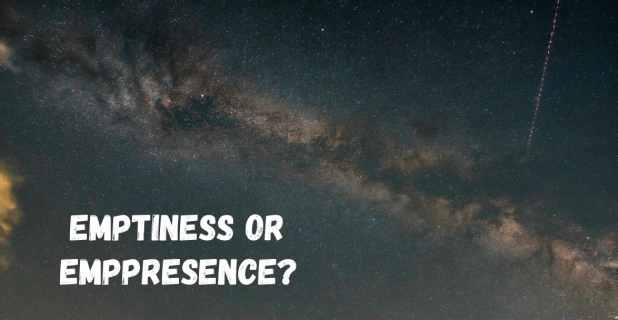
On a recent holiday, I had the privilege of stepping outside under a clear sky and lifting my eyes upward. Away from the noise of the city and the heavy glow of artificial lights, the heavens opened before me in a way I had rarely seen. The sky was a canvas of brilliance, countless stars scattered across it like sparks frozen in place. A soft haze stretched across the horizon, faint yet undeniable, the Milky Way, our home galaxy, arched across the night. The air was cool, the earth quiet, and above me was a silence deeper than anything words could express. For a long while, I simply stood there, letting my eyes adjust, letting the immensity settle into me. There was beauty, yes, but also something unnerving. A reminder of how small, fleeting, and fragile we are. In those stars lay distances I could not measure, mysteries I could not grasp, a history stretching back beyond the imagination. And yet, in that immensity, in that vast silence, I felt not nothingness but presence.

Modern astronomy tells us that the universe is not static. Galaxies are hurtling away from each other, space itself is stretching like an endless fabric, and the cosmos is expanding into an unknown horizon. What we see when we look up at the sky is not just stars as they are, but stars as they were, their light travelling for thousands, even millions of years before finally reaching our eyes. In that sense, every starlit night is also a window into the past, a glimpse of history written in light. And still, for all the knowledge science has given us, there remains something hauntingly silent about it all. Space is not filled with sound but with stillness. Between those stars is a near-perfect vacuum, an emptiness so complete it defies human experience. The more we learn about the cosmos, the more overwhelming its silence seems to become. No wonder the psalmist once wrote: “When I consider your heavens, the work of your fingers, the moon and the stars, which you have set in place, what is mankind that you are mindful of them, human beings that you care for them?” (Psalm 8:3–4). Standing beneath the heavens, the psalmist felt what many of us feel even today. The tension between the immensity of the universe and the smallness of human life.

Emptiness or Presence? Some would say the silence of the universe speaks of its emptiness. To them, the night sky is indifferent, a cold expanse of matter and energy, without voice, without meaning. And yet, the biblical tradition offers another interpretation. Silence, in Scripture, is not always absence; often, it is the very medium of G-d’s presence. When Elijah fled to the wilderness and sought the voice of G-d, he did not hear it in the storm, nor in the earthquake, nor in the fire. Instead, it came in what is often translated as “a gentle whisper” (1 Kings 19:11–12). In the silence after the chaos, in the stillness beyond the noise, the prophet encountered the voice of the Eternal. So too with the cosmos. The silence of the stars is not empty but full. Full of meaning, full of awe, full of a presence that words cannot capture. The heavens may not speak in the language of sound, but they proclaim nonetheless. As Psalm 19:1 declares: “The heavens declare the glory of G-d; the skies proclaim the work of his hands.”

The Infinite and the Finite. There is another paradox at work here. On the one hand, the stars remind us of our insignificance. We are dust on a speck of dust, fleeting lives in a universe billions of years old. Our histories, our struggles, even our greatest achievements seem fragile when measured against galaxies spinning in silence. And yet, Scripture tells us that the same G-d who calls the stars by name also knows us by name. Isaiah 40:26 speaks with astonishing intimacy: “Lift up your eyes and look to the heavens: Who created all these? He who brings out the starry host one by one and calls forth each of them by name. Because of his great power and mighty strength, not one of them is missing.” If not one star is forgotten, how much more are we remembered? The Creator who commands the galaxies bends low to listen to human prayer. The One who sustains the cosmic order is mindful of the details of our lives. The heavens may make us feel small, but they also make us feel seen.

Silence as Invitation. As I stood beneath the Milky Way on that holiday night, I found myself thinking of silence in a new way. Silence is not merely the absence of sound; it is the space in which something deeper can be heard. In the silence of the stars, I began to hear a whisper of meaning, a call to humility, a summons to wonder. Perhaps that is why silence is so often associated with worship. Habakkuk 2:20 proclaims: “The Lord is in his holy temple; let all the earth keep silence before him.” The vastness of the cosmos quiets us not because it erases us, but because it points us to something greater than ourselves. In the silence, the heart begins to listen. And in listening, we find that the Creator is not absent but profoundly present. The emptiness becomes fullness, the distance becomes intimacy, the silence becomes a voice.

It is easy, in the routine of everyday life, to forget the stars. Most of us live under skies veiled by electric glow, our nights broken by the hum of traffic and the buzz of screens. Yet the stars are still there, whether we notice them or not, still proclaiming the glory of the One who set them in place.

To look at the sky is to be reminded of our place in the story of creation. We are not at the centre, yet we are not forgotten. We are small, yet beloved. The stars tell us of a universe too vast for our minds and yet crafted by hands that care even for the sparrow that falls to the ground. Jesus himself pointed to the heavens as a reminder of divine care. In Matthew 6:26, he told his disciples: “Look at the birds of the air; they do not sow or reap or store away in barns, and yet your heavenly Father feeds them. Are you not much more valuable than they?” If the birds and the stars are held in his providence, so are we.

That night on holiday, I took a photograph which I share with you, a simple capture of the sky, filled with stars and the faint glow of the Milky Way. The picture is beautiful, but it is only a shadow of the reality I stood under. No lens can capture the immensity, no image the silence, no frame the presence that fills the heavens. And yet, the photograph reminds me of that moment of awe, that moment when the emptiness became presence, when the silence became voice. In the vastness of the cosmos, I found myself drawn to the One who made it, the One who speaks not through noise but through stillness, the One who holds galaxies and human hearts alike.

“Be still, and know that I am G-d.” (Psalm 46:10).

In the silence of the stars, the Creator speaks. The question is whether we will be still enough to hear.

A Sfalsin

Vazio ou Plenitude?

Vazio e Plenitude?

No Silêncio das Estrelas, a Voz do Criador

Numa recente viagem de férias, tive o privilégio de sair ao ar livre numa noite de céu limpo e levantar meus olhos para o alto. Longe do barulho da cidade e do brilho intenso das luzes artificiais, os céus se abriram diante de mim de uma maneira rara. O firmamento era como uma tela resplandecente, incontáveis estrelas espalhadas como fagulhas suspensas no espaço. Uma névoa suave se estendia pelo horizonte, tênue mas inconfundível: a Via Láctea, nossa galáxia, erguia-se no silêncio da noite. O ar estava fresco, a terra repousava em quietude, e acima de mim reinava um silêncio mais profundo do que qualquer palavra poderia expressar. Permanecei ali por muito tempo, deixando meus olhos se ajustarem, permitindo que a imensidão me envolvesse. Havia beleza, sim, mas também algo inquietante. Um lembrete de como somos pequenos, passageiros e frágeis. Naquelas estrelas havia distâncias impossíveis de medir, mistérios que escapavam à minha compreensão, uma história que se estendia muito além da imaginação humana. E, no entanto, em toda aquela imensidão, naquele silêncio imenso, não senti vazio, mas presença.

A astronomia moderna nos mostra que o universo não é estático. As galáxias se afastam umas das outras, o espaço se estende como um tecido sem fim, e o cosmo continua a expandir-se rumo a um horizonte desconhecido. O que vemos ao olhar para o céu não são apenas estrelas como são agora, mas como eram há milhares ou até milhões de anos, quando a sua luz começou a viajar até chegar a nós. Cada noite estrelada é, portanto, uma janela para o passado, um vislumbre de uma história escrita em luz. Ainda assim, apesar de todo o conhecimento que a ciência nos oferece, há algo de estranhamente silencioso em tudo isso. O espaço não é preenchido por sons, mas por quietude. Entre as estrelas existe um vácuo quase perfeito, um vazio tão absoluto que desafia nossa experiência. Quanto mais aprendemos sobre o cosmo, mais avassalador se torna o seu silêncio. Não é de admirar que o salmista tenha escrito: “Quando vejo os teus céus, obra dos teus dedos, a lua e as estrelas que estabeleceste, que é o homem para que dele te lembres? E o filho do homem, para que o visites?” (Salmo 8:3–4). Diante dos céus, ele sentiu o que muitos de nós ainda sentimos hoje: a tensão entre a grandeza do universo e a pequenez da vida humana.

Vazio ou Plenitude? Alguns diriam que o silêncio do universo é prova de vazio. Para eles, o céu noturno é indiferente, uma vastidão fria de matéria e energia, sem voz e sem sentido. No entanto, a tradição bíblica oferece outra leitura. O silêncio, nas Escrituras, não é sempre ausência. Muitas vezes, ele é justamente o meio pelo qual a presença de D-us se revela. Quando Elias fugiu para o deserto em busca da voz do Senhor, não a encontrou no vento impetuoso, nem no terremoto, nem no fogo. Mas, depois de tudo, veio um “sussurro suave” (1 Reis 19:11–12). No silêncio após o tumulto, na quietude além do ruído, o profeta encontrou a voz do Eterno. Assim também com o cosmo. O silêncio das estrelas não é vazio, mas plenitude. Plenitude de sentido, de assombro, de uma presença que nenhuma palavra pode conter. Os céus não falam em linguagem de som, mas proclamam mesmo assim. Como declara o Salmo 19:1: “Os céus proclamam a glória de D-us, e o firmamento anuncia a obra das suas mãos.”

O Infinito e o Finito? Há aqui outro paradoxo. Por um lado, as estrelas nos lembram da nossa insignificância. Somos pó sobre um grão de pó, vidas passageiras em um universo com bilhões de anos. Nossas histórias, nossas lutas, até nossas maiores conquistas parecem frágeis diante de galáxias que giram em silêncio. Por outro lado, a Escritura afirma que o mesmo D-us que chama cada estrela pelo nome também conhece o nosso. Isaías 40:26 declara com ternura: “Levantai os olhos e olhai para as alturas: quem criou tudo isso? Aquele que faz sair o exército de estrelas uma a uma, e as chama pelo nome; por causa da grandeza do seu poder e da sua força, nenhuma delas faltará.” Se nenhuma estrela é esquecida, quanto mais nós não seremos lembrados? O Criador que ordena as galáxias inclina-se para ouvir a oração humana. O mesmo que sustenta a ordem cósmica se importa com os detalhes da nossa vida. Os céus podem nos fazer sentir pequenos, mas também nos fazem sentir vistos.

O Silêncio como Convite. Naquela noite de férias, debaixo da Via Láctea, passei a enxergar o silêncio de outro modo. Silêncio não é apenas ausência de som, é o espaço onde algo mais profundo pode ser ouvido. No silêncio das estrelas, comecei a perceber um sussurro de significado, um chamado à humildade, um convite ao assombro. Talvez por isso o silêncio seja tão associado à adoração. Habacuque 2:20 proclama: “O Senhor, porém, está no seu santo templo; cale-se diante dele toda a terra.” A vastidão do cosmo nos cala não porque nos anula, mas porque nos aponta para alguém maior do que nós mesmos. No silêncio, o coração começa a escutar. E, ao escutar, descobrimos que o Criador não está ausente, mas intensamente presente. O vazio torna-se plenitude, a distância torna-se intimidade, o silêncio torna-se voz.

É fácil, no corre-corre da vida, esquecer as estrelas. A maioria de nós vive sob céus escondidos pelo brilho das cidades, noites cortadas pelo ruído do trânsito e pela luminosidade das telas. No entanto, as estrelas continuam lá, quer as vejamos ou não, proclamando a glória daquele que as colocou em seus lugares. Olhar para o céu é lembrar do nosso lugar na história da criação. Não somos o centro, mas não estamos esquecidos. Somos pequenos, mas amados. As estrelas falam de um universo vasto demais para nossa mente, e ainda assim moldado por mãos que cuidam até do pardal que cai ao chão. O próprio Jesus apontou para os céus como sinal do cuidado divino. Em Mateus 6:26, ele disse: “Olhai as aves do céu, que não semeiam, não colhem, nem ajuntam em celeiros; e vosso Pai celestial as alimenta. Não tendes vós muito mais valor do que elas?” Se as aves e as estrelas estão guardadas em sua providência, nós também estamos.

A Voz no Silêncio. Naquela noite de viagem, tirei uma fotografia, a mesma que compartilho agora, um registro simples do céu estrelado com o brilho tênue da Via Láctea. A imagem é bela, mas não passa de uma sombra da realidade que presenciei. Nenhuma lente captura a imensidão, nenhuma foto traduz o silêncio, nenhum quadro revela a presença que preenche os céus.

E, ainda assim, a fotografia me lembra daquele instante de reverência, daquele momento em que o vazio se transformou em presença, e o silêncio se fez voz. Na vastidão do universo, fui atraído para aquele que o criou, o mesmo que fala não por meio do barulho, mas da quietude, o mesmo que sustenta galáxias e também corações humanos.

“Aquietai-vos, e sabei que eu sou D-us.” (Salmo 46:10).

No silêncio das estrelas, o Criador fala. A questão é se estaremos dispostos a silenciar o bastante para ouvir.

A. Sfalsin

Looking Ahead

Looking Ahead

A Cry, A Call, A Challenge to Hope

Let’s talk about that feeling of being thrown away. Yes, thrown away. Like a plastic cup at a picnic, like that umbrella that turns inside out at the first gust of wind, once useful, once appreciated, now forgotten. Gone. No one notices. No one misses it. Have you ever felt like that?

Well then, meet the psalmist of Psalm 71. Once full of vigour, he sang with joy, felt invincible, and lifted his eyes to the heavens declaring, “The Lord is my fortress!”. But now, he is old. His hair has turned white, his strength is fading, and what used to be a vibrant conversation with Heaven has become a shaky monologue. The silence of G‑d is deafening. And so, he cries out, “Do not cast me off in the time of old age!”

That little word, cast off, in Hebrew is שָׁלַךְ (shalak), and it carries the weight of being thrown aside, torn down, discarded as useless. How often do we echo that without realising it? “I feel worthless,” “I’ve been left behind,” “I was tossed aside.” There is a shadow of shalak in those confessions, and if we’re honest, there is a shadow of us in them too.

Here’s the thing that intrigues me. The psalmist, even in his sorrow, doesn’t blame himself. He doesn’t say, “I made a mess of things and deserved this.” He doesn’t blame chance, the devil, or the universe. He says, “You have cast me off.” He sees G‑d as the central actor in the story. He is just the character who has woken up mid-drama, trying to make sense of the plot. And frankly, that feels uncomfortably familiar.

Who hasn’t looked up after life knocked them flat and asked, “Really, G‑d? Now?” It’s not that we doubt His power, in fact, that is the issue. We know He could have done things differently. He is sovereign. If the door slammed shut, if the pain arrived, if the dream died, He knew. He allowed it. He, perhaps, even authored it. And that leaves us with a dilemma, we either trust the Author or start questioning the story.

But wait. Before you conclude this is a hopeless lament, let me tell you another story, or rather, remind you of one. John chapter 9. Yeshua encounters a man born blind. His disciples, always quick with theological assumptions, ask, “Who sinned, this man or his parents?” In other words, “Who broke the script?” But Yeshua replies simply, “Neither this man nor his parents sinned. This happened so that the works of G‑d might be displayed in him.” What a twist. From condemned to chosen, from pitied to platform for divine glory.

The psalmist thought he had been rejected. The blind man was viewed as cursed. Both, in society’s eyes and perhaps in their own, seemed to be the result of failure. But both were at the centre of something much greater. Not punishment, but purpose.

Allow me a very British image. You know that moment when you’re standing on the train platform and your train pulls away without you? Life can feel exactly like that. We’re left watching as our plans roll out of reach, and we ask, “Was I forgotten?” But maybe, just maybe, that wasn’t your train. Or perhaps the Conductor of the universe is delaying your departure for a better destination.

G‑d doesn’t run by our clocks. He isn’t tied to Google Calendar. He works according to eternal purposes. The trouble is, we often prefer neat theology. Behave well, get blessed. Do wrong, get punished. But that isn’t faith, that’s transaction. Real faith is what the psalmist shows us, “You are my hope, even when everything in me feels abandoned.”

It’s easy to trust when things are going well. But true faith doesn’t grow in the garden of logic, it blooms in the desert of doubt. The psalmist’s old age is not just physical, it is symbolic. It is that moment when what once was solid now feels uncertain. Prayer no longer flows, answers no longer come quickly. And still, he prays. Still, he waits. Still, he refuses to let go.

He says, “In You, O Lord, I put my trust, let me never be put to shame.” That “put to shame” means something like, “Don’t let me lose my way, even when I don’t understand.” And that, really, is everything. Faith isn’t having all the answers, it is trusting the One who does. All of us will face a shalak moment, the day we feel tossed aside, dismissed, forgotten. It may follow a loss, a diagnosis, or a slammed door. In those days, we must remember, we are not rubbish. We are clay vessels, and clay in the Potter’s hands must endure pressure, heat, silence, and shaping. It is not punishment, it is process.

It’s easy to praise when the bread is warm on the table. Harder to sing when all we see are crumbs. Yet the psalmist says, “Let my mouth be filled with Your praise all day long.” All day long. Including the dark day. Including the confusing day. Including today. That is pure faith, worship that does not demand explanations.

So, if you feel cast aside today, take a deep breath and say, “G‑d, I don’t know why this is happening, but I trust You.” You are not being discarded. You are being refined. The psalmist thought he had been rejected, but look, he was still praying, still writing psalms, still reaching out. That is not a sign of rejection, it is proof that G‑d is still listening.

Are you listening? Because the real question is not “Whose fault is this?” but “What is the purpose in this?” Yeshua taught us that sometimes, suffering is not about what lies behind us, but about what lies ahead. And what lies ahead is this, that the glory of G‑d might be revealed in you. Today. Right now. Even in the silence.

Adivalter Sfalsin

Follow the Hebrew Roots channel on WhatsApp:

Ohando para o futuro

Olhando Para o Futuro

Um Clamor, Um Convite, Um Chamado à Esperança

Vamos falar sobre a sensação de ser jogado fora. Sim, jogado. Como um copo de plástico num piquenique, como aquele guarda-chuva que se entorta na primeira ventania, útil, funcional, até não ser mais. Foi-se. Ninguém nota. Ninguém sente falta. Você já se sentiu assim?

Pois bem, conheça o salmista do Salmo 71. Um homem que, em seus dias de glória, cantava louvores, sentia-se invencível, olhava para o céu e dizia, “O Senhor é a minha fortaleza!”. Mas agora, ele está velho. Os cabelos embranqueceram, a força vacila, e o que antes era um diálogo vibrante com o Céu parece um monólogo trêmulo. O silêncio de D‑us é ensurdecedor. E então ele grita, “Não me rejeites no tempo da velhice!”

Essa palavrinha – rejeitar – em hebraico é שָׁלַךְ (shalak), e carrega o peso de ser lançado fora, ser derrubado, ser jogado fora como algo que já não serve. Quantas vezes usamos essa sensação sem perceber? “Me senti um lixo.” “Me chutaram pra escanteio.” “Fui descartado.” Há um eco de shalak nessas queixas. E, sejamos sinceros, há um eco de nós.

Aqui está o ponto curioso, e que me intriga: o salmista, em sua dor, não se coloca como o culpado da própria tragédia. Ele não diz, “Fiz bobagem e mereço.” Ele não culpa o acaso, nem Satanás, nem o universo. Ele diz, “Tu me jogaste fora.” Ele vê D‑us como o ator principal. Ele é o personagem que acorda no meio do drama e tenta entender o roteiro. Não sei você, mas isso me parece desconfortavelmente familiar. Quem nunca olhou para o céu, depois de um tombo da vida, e disse algo como, “Sério, D‑us? Logo agora? Por quê?” Não que duvidemos do Seu poder, o problema é justamente esse – sabemos que Ele poderia ter feito diferente. Ele é soberano. Se algo desabou, se a porta se fechou, se a dor chegou, Ele sabia. Ele permitiu. Ele, talvez, até tenha escrito essa cena. E aí vem o dilema: ou confiamos no Autor, ou começamos a desconfiar do enredo.

Mas calma. Antes que você ache que isso é um desabafo sem esperança, deixa eu te contar outra história – ou melhor, lembrar de uma. João 9. Yeshua encontra um homem cego de nascença. Os discípulos, sempre prontos a diagnosticar, perguntam: “Quem pecou? Ele ou os pais?” Em outras palavras: “Quem bagunçou o roteiro?” Mas Yeshua os desmonta com uma simples resposta: “Nem ele pecou, nem os pais. Isso aconteceu para que se manifestem nele as obras de D‑us.” Que reviravolta. De condenado a canal da glória. De vítima a vitrine do milagre.

O salmista achava que tinha sido rejeitado. O cego era considerado amaldiçoado. Ambos representavam, aos olhos da sociedade e talvez de si mesmos, o resultado de algum erro. Mas ambos estavam no centro de algo maior. Não de punição, mas de propósito. Me permita aqui um parêntese bem britânico. Sabe quando você está numa estação de trem e vê o seu trem partindo sem você? A vida pode parecer exatamente assim. Ficamos parados na plataforma, vendo os sonhos indo embora. E nos perguntamos, “Fui esquecido?” Mas talvez, só talvez, aquele não fosse o seu trem. Ou talvez o maquinista do universo esteja atrasando a partida para te levar para um destino melhor.

D‑us não opera com o nosso calendário. Ele não segue o Google Agenda. Ele trabalha com propósitos eternos. O problema é que nossa teologia ama explicações rápidas: fiz bem, recebo bênção. Fiz mal, recebo castigo. Mas isso não é fé, é uma transação. Fé de verdade é o que o salmista faz: “Tu és minha esperança, mesmo quando tudo parece gritar que estou sozinho.”

É fácil confiar quando tudo está dando certo. Mas a fé não floresce no jardim da lógica – ela nasce no deserto da dúvida. A velhice do salmista não é apenas biológica, é simbólica. É o momento em que o que antes era certo agora parece frágil. A oração já não tem o mesmo fervor, as respostas não vêm como antes. E ainda assim ele clama. Ainda assim ele espera. Ainda assim ele se recusa a deixar de confiar.

Ele diz: “Em ti, SENHOR, confio, nunca seja eu confundido.” Confundido aqui é algo como “não me deixe perder o rumo, mesmo que eu não entenda.” E isso é tudo. Fé não é ter todas as respostas, mas é confiar em quem as tem. Todos nós teremos o dia do shalak – o dia em que nos sentimos lançados fora, trocados, ignorados. Pode ser após uma perda, um diagnóstico, ou uma porta fechada. Nesses dias, precisamos nos lembrar: não somos lixo. Somos vasos, e vasos nas mãos do Oleiro passam por pressão, forno, silêncio e forma. Não é castigo, é processo.

É fácil louvar com o pão quentinho na mesa. Difícil é cantar quando só restam migalhas. Mas veja o que ele diz: “Encha-se a minha boca do teu louvor todo o dia.” Todo o dia. Inclusive o dia escuro. Inclusive o dia confuso. Inclusive hoje. Isso é fé em seu estado mais puro – adoração que não depende de explicações.

Então, se você se sente jogado fora, respire fundo. E diga: “D‑us, eu não sei por que isso está acontecendo, mas confio em Ti.” Você não está sendo descartado. Está sendo lapidado. O salmista achava que havia sido rejeitado, mas veja, ele ainda orava, ainda escrevia salmos, ainda clamava. Isso não é sinal de rejeição. É prova de que D‑us ainda ouve.

Você ouve? Porque a pergunta certa não é “de quem é a culpa?” mas sim “qual é o propósito?”. Yeshua nos ensinou que, às vezes, o sofrimento não aponta para o passado, mas para o futuro. E o futuro é este: que a glória de D‑us se manifeste em você. Hoje. Mesmo agora. Mesmo em meio ao silêncio.

Adivalter Sfalsin

Leia também:

📖 Deseja crescer mais no conhecimento da Palavra?

Siga nosso canal de estudos bíblicos no WhatsApp e mergulhe conosco nas verdades eternas das Escrituras.

🌿 Reflexões diárias. 🌍 Temas profundos. 💡 Espiritualidade prática.

👉 Clique aqui para entrar: 

Job, More Than Faith

Job, More Than Faith

Job’s Turning Point and the Forgotten Secret of Restoration

This week, a friend sent me one of those quotes that pop up on social media and make your soul either tremble or sneeze. It read:

“Do you know why Job recovered everything he had lost? Because he lost everything except his faith. He lost everything except his trust in G‑d.”

Beautiful, isn’t it? Worthy of a frame, complete with a soundtrack of celestial harps and perhaps even a pastel gradient background. But, as with most phrases dressed in spiritual profundity, this one began to itch the back of my mind. And theological itches are never solitary. They bring with them questions, astonishment and, as the Hebrews would say, a great deal of cheshbon nefesh—a deep accounting of the soul. Because, come to think of it, is it really true that Job was restored simply because he did not lose his faith? Is that all? Unshakable faith, double reward, spiritual loyalty points redeemed and voilà, everything falls back into place? Can the most unsettling book in the Bible really be resolved with an Instagram poster?

The faith that survives, but does not explain everything. Yes, it is true. Job did not lose his faith. Or at least not the kind of faith we typically define, this trembling yet firm trust that G‑d is still there, still good, even when the world collapses like a house of cards set alight. He did not curse G‑d, as his wife suggested (Job 2:9). He did not flee, though he did cry out. And oh, how he cried. In fact, if you think prayers should be polite, composed and nicely folded, then do not read Job. Or do read it, but sit down first, with a cup of tea and no expectation of emotional stability. Job does not simply ask questions. He protests. He does not understand. He demands. He bleeds in poetry. But there is something curious. The story of Job spans 42 chapters. And the turning point comes right at the end, in chapter 42, verse 10:

“And the Lord turned the captivity of Job when he prayed for his friends.”

And here, dear reader, we step into sacred and unsettling ground. The moment everything changed: from ashes to forgiveness. Take note of the detail. G‑d did not turn Job’s fortune when he endured the pain. Nor when he held on to his integrity. Not even when he silenced himself to hear G‑d speak from the whirlwind.

The turning point, the hafach (הפך), the reversal, came when Job prayed for his friends. The very same friends who had accused him, judged him and wielded theology like a weapon to wound.

And who were these friends?

• Eliphaz, the Temanite, was the first to speak. He appealed to tradition and experience. In short: “You’re suffering? Then you must have sinned. G‑d is just, and the just don’t go through this for no reason.”

• Bildad, the Shuhite, followed along the same path, only harsher. He spoke of divine justice as if it were a cold equation. “If your children died, it was because they deserved it.” Yes, he actually said that.

• Zophar, the Naamathite, was even more direct: “You should be thankful. G‑d is being kind. In truth, you deserve worse.”

These were the men who came to comfort, but instead theologised Job’s pain. Rather than embrace him, they pointed fingers. Rather than weep with him, they offered rigid doctrines, as if someone else’s suffering were a moral puzzle to be solved. Praying for them was an act of radical mercy. It was to love the unjust. To forgive the unforgivable. To intercede for those who had not only failed to console but had deepened his wounds in the name of G‑d. And it was in that gesture, so human, so divine, that the heavens moved. It seems that emunah (אמונה), faith, was necessary, yes, but not sufficient. The final key was not merely to believe, but to love. Not merely to endure, but to transform. It is not hard to have faith while waiting for G‑d to “fix everything”. But what we do with that faith is what separates the survivor from the truly restored.

The kind of faith that becomes a bridge. Job, shattered, covered in ashes, still bleeding, prays for those who wounded him. He becomes a vessel of rachamim (רחמים), of mercy. And in that moment, something shifts, not only in Job but in the very spiritual atmosphere of the story. Because he does not pray once everything is resolved. He prays from within the pain, not after it. This is where Job’s faith blossoms. Because faith that closes in on itself, clinging to “I’ll endure this because it will all be worth it”, may survive, but it does not heal. The faith that heals is the kind that opens, even while bleeding, into intercession.

Job becomes a shaliach, a messenger, an intercessor, an ambassador of peace between heaven and earth. And has this not always been what moves G‑d? When the people of Israel built the golden calf, it was Moses’ intercession that stayed G‑d’s hand (Exodus 32:11–14). When Daniel sought to understand what would come upon his people, it was through prayer that the heavens were stirred (Daniel 9). When Yeshua hung upon the cross, it was by praying for those who crucified him that he sealed the greatest act of redemption in history (Luke 23:34).

What we do with faith matters more than what we claim to believe. It is easy to say we have faith while expecting a reward. It is comforting to think that if we keep ourselves composed and do not grumble too much, G‑d will give us everything back, and more. But that would be treating the Almighty like some sort of spiritual rewards manager. Faith, in the Bible, is not currency. Faith is covenant. It is emunah, a word that carries the sense of loyalty, steadfastness and an ongoing relationship. Above all, it is a path that leads us outward, toward others.

Job was restored not because he believed, but because, even with every reason to shut down, he chose to open up. And this makes me ask: what about us? Have we used our faith as a shield of waiting, or as a bridge of transformation? Are we sitting around waiting for life to “go back to normal” simply because we “still believe”? Or is it time to take the next step, the one that forgives, that intercedes, that turns pain into a gift?

The choice to love after grief. Perhaps the greatest test of Job’s faith was not enduring without cursing, but praying for those who wounded him without expecting anything in return. That, I dare say, is mature faith. Or perhaps we should call it love in the form of faith. Job did not know he would be restored. He did not make a strategic prayer to unlock blessings. He simply prayed. He chose to love. And that made him healed, even before he was healed.

The teshuvah (תשובה), the return, the restoration, came when he turned his face toward others. And this may well be the most neglected lesson of the book: that true healing begins when faith ceases to be a defence mechanism and becomes an act of compassion. And now, what shall we do with that? My invitation today is not that you have more faith. But that you do something with the faith you already have. Pray for someone who hurt you. Forgive someone who never asked for forgiveness. Become a bridge, even while you are still in the valley.

Remember, the G‑d of Job was not silent because he was indifferent. He was waiting for the moment when suffering would cease to be a prison and become a path of mercy.

After all, faith is not just what keeps you standing. It is what, when given away, can lift others too.

And that is the only kind of faith that truly heals.

Adivalter Sfalsin

Jó, mais do que Fé

Jó, mais do que Fé

A Reviravolta de Jó e o Segredo Esquecido da Restauração

Esta semana, uma amiga me enviou uma daquelas frases que pipocam nas redes sociais e fazem a alma da gente estremecer ou espirrar. Dizia assim:

“Sabe por que Jó recuperou tudo o que havia perdido? Porque ele perdeu tudo, menos a fé. Perdeu tudo, menos a confiança em D‑us.” Bonito, não? Digno de moldura, trilha sonora com harpas celestiais e talvez até um fundo em degradê pastel. Mas, como acontece com a maioria das frases que vestem roupa de sabedoria profunda, essa também começou a me coçar atrás da orelha. E coceiras, especialmente as teológicas, nunca vêm sozinhas. Elas vêm com perguntas, com espantos e, como diriam os hebreus, com muita cheshbon nefesh, ou seja, com exame da alma. Porque, veja bem, é mesmo verdade que Jó foi restaurado porque não perdeu a fé? Foi só isso? Fé inabalável, prêmio em dobro, créditos celestiais acumulados e voilà, tudo volta ao lugar?

Será que o livro mais inquietante da Bíblia pode ser resolvido com um pôster de Instagram?

A fé que sobrevive, mas não explica tudo. Sim, é verdade. Jó não perdeu a fé. Ou, pelo menos, não a fé como geralmente a definimos, essa confiança, mesmo trêmula, de que D‑us ainda está lá, ainda é bom, mesmo quando o mundo rui como um castelo de cartas em chamas. Ele não amaldiçoou D‑us, como sua esposa sugeriu (Jó 2:9). Ele não fugiu, embora tenha gritado. E como gritou!

Aliás, se você acha que orações devem ser suaves, educadas e compostas, não leia Jó. Ou leia, mas sente-se antes, com um copo de chá e sem expectativas de estabilidade emocional. Jó não apenas questiona, ele protesta. Ele não entende. Ele exige. Ele sangra em poesia. Mas há algo curioso. A história de Jó tem 42 capítulos. E a reviravolta acontece somente no finalzinho, no capítulo 42, verso 10:

“E o Senhor mudou a sorte de Jó quando ele orava pelos seus amigos.”

E aqui, meu caro leitor, entramos em território sagrado. E desconcertante.

O momento da virada: do pó ao perdão

Note o detalhe. D‑us não “mudou a sorte” de Jó quando ele resistiu à dor. Nem quando ele manteve sua integridade. Nem quando se calou para ouvir o Senhor falar do turbilhão. A virada, o hafach (הפך), a inversão, veio quando Jó orou por seus amigos, aqueles mesmos que o acusaram, julgaram, e fizeram da teologia uma arma para ferir.

E quem eram esses amigos?

• Elifaz, o temanita, foi o primeiro a falar. Apelou à experiência e à tradição. Em resumo: “Você está sofrendo? Deve ter pecado. D‑us é justo, e os justos não passam por isso à toa.”

• Bildade, o suíta, seguiu na mesma linha, mas com mais dureza. Falou sobre justiça divina como se fosse uma equação fria. “Se seus filhos morreram, foi porque mereceram.” Sim, ele disse isso.

• Zofar, o naamatita, foi ainda mais direto: “Você devia agradecer, porque D‑us está sendo até bondoso. Na verdade, você merece coisa pior.”

Esses homens, que deviam consolar, teologizaram a dor. Em vez de abraçar Jó, apontaram o dedo. Em vez de chorar com ele, ofereceram explicações rígidas, como se o sofrimento alheio fosse um quebra-cabeça moral a ser resolvido.

Jó, então, não orou por amigos “gentis”. Orar por eles foi um ato de misericórdia radical. Foi amar o injusto. Perdoar o imperdoável. Interceder por quem não só falhou no consolo, mas aumentou o sofrimento com palavras “em nome de D‑us”. E é nesse gesto tão humano, tão divino que o céu se moveu. Parece que a emunah (אמונה), a fé, foi necessária, sim mas não suficiente. A chave final não estava apenas em crer, mas em amar. Não apenas em suportar, mas em transformar. Não é difícil ter fé enquanto se espera que D‑us “resolva tudo”. Mas o que fazemos com essa fé é o que separa o sobrevivente do restaurado.

A fé que vira uma ponte. Jó, quebrado, sujo de cinzas, ainda ferido, ora por quem o feriu. Ele se torna um canal de rachamim (רחמים), de misericórdia. E, nesse instante, algo muda, não só em Jó, mas no próprio cenário espiritual da história. Porque ele não ora com tudo resolvido. Ele ora a partir da dor, não depois dela. É aqui que a fé de Jó floresce. Porque fé que se fecha, que se acorrenta ao “eu aguento firme porque vai valer a pena”, pode até resistir. Mas não cura. A fé que cura é a que se abre, mesmo sangrando, em intercessão. Jó se torna um shaliach, um intercessor, um embaixador de paz entre o céu e a terra. E não é isso o que sempre moveu D‑us? Quando o povo de Israel constrói o bezerro de ouro, é a intercessão de Moisés que impede a destruição (Êxodo 32:11-14). Quando Daniel quer entender o que virá sobre seu povo, é pela oração que os céus se movem (Daniel 9). Quando Yeshua está na cruz, é intercedendo pelos que o crucificam que ele sela o maior ato de redenção da história (Lucas 23:34).

O que fazemos com a fé importa mais do que dizemos crer. É fácil dizer que temos fé quando esperamos uma recompensa. É reconfortante pensar que, se não reclamarmos demais, se não perdermos a compostura, D‑us nos devolverá tudo em dobro. Mas isso seria tratar o Todo-Poderoso como uma espécie de gerente de recompensas espirituais. Fé, na Bíblia, não é moeda de troca. Fé é aliança. É emunah, palavra que carrega o sentido de fidelidade, firmeza, relação contínua. E, acima de tudo, é uma estrada que nos leva até os outros. Jó foi restaurado não porque creu, mas porque, mesmo tendo motivos para se fechar, ele se abriu. 

E isso me faz perguntar: e nós? Será que temos usado nossa fé como um escudo de espera, ou como uma ponte de transformação? Será que estamos esperando a vida “voltar ao normal” só porque “não perdemos a fé”? Ou será que precisamos dar o próximo passo, aquele que perdoa, que intercede, que transforma dor em dom?

A escolha de amar depois do luto. A maior prova de fé de Jó talvez não tenha sido suportar sem amaldiçoar, mas orar por quem o machucou sem pedir nada em troca. Isso é o que chamo de fé madura. Ou talvez devêssemos chamá-la de amor em estado de fé. Jó não sabia que seria restaurado. Ele não fez uma oração estratégica para destravar bênçãos. Ele simplesmente orou. Escolheu amar. E isso o tornou curado, antes mesmo de estar curado.

A teshuvá (תשובה), o retorno, a restauração, veio quando ele virou o rosto para os outros. E essa talvez seja a lição mais negligenciada do livro: a verdadeira cura começa quando a fé deixa de ser um mecanismo de proteção e se torna um gesto de compaixão. E agora, o que faremos com isso?

Meu convite hoje não é que você tenha mais fé. Mas que faça algo com a fé que já tem. Ore por alguém que te feriu. Perdoe quem não pediu perdão. Torne-se ponte, mesmo quando você ainda está no vale. Lembre-se: o D‑us de Jó não estava em silêncio porque era indiferente. Ele esperava o momento em que o sofrimento deixasse de ser uma prisão e se tornasse uma estrada de misericórdia.

Afinal, a fé não é apenas aquilo que te sustenta, mas aquilo que, quando entregue, pode sustentar outros. E essa é a única fé que realmente cura.

Adivalter Sfalsin

Leia também:

📖 Deseja crescer mais no conhecimento da Palavra?

Siga nosso canal de estudos bíblicos no WhatsApp e mergulhe conosco nas verdades eternas das Escrituras.

🌿 Reflexões diárias. 🌍 Temas profundos. 💡 Espiritualidade prática.

👉 Clique aqui para entrar: 

Blank Page

Blank Page

The Renewal of Mercy

Have you ever woken up on one of those mornings where the alarm sounds more like a sentence, and the mirror seems to say, “Seriously? You’re trying again?” Well, congratulations, welcome to real life. The good news is: you’re also firmly on G‑d’s radar of grace. Yes, that same grace that doesn’t flinch at your mess or write you off just because yesterday fell apart.

Jeremiah, the prophet of tears (and let’s be honest, of some of the most underlined verses in the Bibles of weary souls), wrote these words amidst the ashes of Jerusalem:

“Because of the Lord’s mercies we are not consumed… they are new every morning. Great is Your faithfulness” (Lamentations 3:22–23).

This wasn’t written while swinging in a hammock on the coast with a coconut in hand. No, it was penned in the total collapse of a city and a people.

In fact, Jeremiah was surrounded by devastation. The Temple had been destroyed by the Babylonians in 586 BCE, the holy city had been looted, its walls reduced to rubble. The leaders had been exiled, and those who remained were starving, humiliated, and without hope. The prophet, once dismissed for his warnings, was now weeping over the consequences he had long foretold. The book of Lamentations is the lament of a soul walking through the ruins of a public faith in collapse, yet still daring to believe that G‑d remains faithful even when everything else appears lost.

The Hebrew word for “mercies” here is חַסְדֵי (chasdei), the plural form of chesed, which is more than kindness. It’s a fierce, loyal love that keeps showing up, even when no response is possible. It doesn’t say “I love you if,” but “I love you even though.” This chesed is the glue holding a shattered soul together. But hold on, it gets even more profound. Another key word in this verse is רַחֲמָיו (rachamav), His mercies. This comes from the Hebrew root רֶחֶם (rechem), which means… womb. That’s right. Mercy, in the language of the Bible, is as intimate and protective as a mother’s womb. It’s not about pity, but a visceral, sheltering, surrounding kind of love. It’s as though, when G‑d sees us stumble, He doesn’t say, “There goes that sinner again,” but, “My child needs a place to be held.” Like a mother who doesn’t count her baby’s faults, but simply gathers them back into her arms. It changes everything, doesn’t it? When Jeremiah says we haven’t been consumed, he’s not philosophising about human resilience. He’s saying: “The only reason we’re still here is because G‑d’s womb is wide enough to hold our despair.” The people weren’t erased because there was still a chesed clinging to the rubble, and a rachamim breathing life into the dust.

And then comes my favourite part: “They are new every morning.” The Hebrew uses the word חֲדָשִׁים (chadashim), from chadash, new, fresh, unprecedented. G‑d doesn’t recycle mercy with the stale scent of last week’s forgiveness. No. It’s completely new, special. Every single morning. And that’s not just poetic, it’s the kind of truth that rescues a soul from the pit and whispers, “Live again.” Do you realise what it means to wake up and find that G‑d has already handed you a new opportunity before you’ve even remembered what you did yesterday? Jewish tradition says that when we open our eyes in the morning, it’s as if heaven is saying: “Here’s your blank page, write something new today.” You might have a failure record worthy of a Netflix series, but if you’re breathing today, then there’s enough mercy to script something entirely new.

May I tell you what moves me most in this verse? Jeremiah finishes with:

“Great is Your faithfulness.”

The Hebrew word is אֱמוּנָתֶךָ (emunatecha), deeper than mere belief. It’s steadiness. Consistency. The faithfulness of G‑d is the kind of structure that doesn’t wobble when you fall apart. It’s the foundation that holds through tears, doubt, sin, and still says: “I’m here.” You see, G‑d never promised a pain-free life. Jeremiah knew that better than anyone. But he saw that, within the pain, there was a Presence. That in the heart of grief, there was a Love that wouldn’t let the soul vanish. That’s faithfulness.

Maybe you’re walking through ruins too. Not physical ones, but emotional. You look at your life and see the pieces of a dream that didn’t survive, the shards of a broken relationship, the dust of a season that promised much and delivered little. And right in the middle of all this… appears a blank page. Yes, a crisp, white sheet. You might think it’s just another day on the calendar. But in heaven’s eyes, it’s a new chance in the book of grace. As if G‑d lays a fresh page before you and says: “Write again. I’m here. Start over with Me.”

Now listen, this isn’t about being soft on sin. It’s not divine denial. It’s a holy invitation to repentance that leads to restoration. G‑d’s womb doesn’t generate excuses, it gives birth to new life. He doesn’t cover your mistakes with silence; He transforms them into testimony. Mercy isn’t escape from justice, it’s the path into it. This is exactly what Yeshua offered the woman caught in adultery. After silencing her accusers, He didn’t ignore her or condemn her. He simply said:

“Go, and sin no more” (John 8:11).

It wasn’t harshness, it was freedom. It was as if He said: “Here’s your blank page. Now write a different story.”

And honestly, what greater gift could there be than that? A life that seemed lost, recovered with purpose and honour.

Perhaps today is the day to stop clinging to torn pages soaked in guilt. Take the one He’s offering you , clean, bright, alive. Write on it with faith, even if your handwriting trembles. Write “forgiveness.” Write “trust.” Write “thank You.” G‑d isn’t looking for flawless resumes, He’s looking for hearts that are willing. The grace that brought you this far is more than able to carry you forward. And if you’re still breathing, it’s because the Author of life has decided your chapter continues. You’re still part of the story.

So rise, brew that cup of tea if needed, and say with Jeremiah:

“Great is Your faithfulness!”

Because even if you don’t feel it, it’s still there.

Even if everything seems lost, G‑d still has mercies enough to rebuild you — one morning at a time.

Adivalter Sfalsin

Página em Branco

Página em Branco

O Recomeço das Misericórdias

Se você já acordou num daqueles dias em que o despertador soa como uma sentença e o espelho te olha com aquela cara de “sério que você vai tentar de novo?”, parabéns: seja bem vindo a realidade da vida. A boa notícia é que você também está no radar da graça divina. Sim, essa graça que não se escandaliza com seus erros, nem desiste de você só porque ontem tudo deu errado e saiu torto.

Jeremias, o profeta das lágrimas (e convenhamos, dos versículos mais sublinhados nas Bíblias de gente cansada), escreveu em meio às cinzas de Jerusalém: “As misericórdias do Senhor são a causa de não sermos consumidos… renovam-se a cada manhã. Grande é a tua fidelidade” (Lamentações 3:22–23). Isso não foi escrito numa rede à beira-mar com uma água de coco na mão, mas em meio ao colapso total de uma cidade e de um povo.

Na verdade, Jeremias estava cercado por devastação. O Templo havia sido destruído pelos babilônios em 586 a.C, a cidade santa havia sido saqueada, os muros caíram, os líderes foram levados ao exílio, e o povo que permaneceu estava faminto, humilhado e sem esperança. O profeta, conhecido por suas advertências ignoradas, agora chorava as consequências daquilo que ele havia anunciado. O livro de Lamentações é o lamento de uma alma que caminha pelas ruínas de uma fé pública em colapso, mas que ainda ousa acreditar que D‑us permanece fiel mesmo quando tudo parece perdido.

A palavra hebraica para “misericórdias” nesse texto é חסדי (chasdei), plural de “chesed”, que é mais do que um gesto de bondade. É aquele amor leal, persistente, que insiste mesmo quando não há retribuição possível. Um tipo de amor que não diz “eu te amo se”, mas “eu te amo, mesmo que”. Esse chesed é como a cola que segura a alma quando tudo o mais desmorona.

Mas espere um pouco, fica ainda melhor. A outra palavra chave aqui é רַחֲמָיו (rachamav) – Suas misericórdias. Essa vem da raiz רֶחֶם (rechem), que significa… “útero”. Isso mesmo. Misericórdia, na Bíblia, tem cheiro de ventre materno. Não se trata de pena ou dó, mas de um amor visceral, protetor, envolvente. É como se D‑us, ao nos ver tropeçar, não dissesse “lá vai de novo esse pecador”, mas sim: “meu filho precisa de abrigo”. Como uma mãe que não mede o erro do bebê, mas o embala de volta nos braços. Isso muda tudo, não?

Quando Jeremias diz que não fomos consumidos, ele não está filosofando sobre resiliência humana. Ele está dizendo: “a única razão de ainda estarmos aqui é porque D‑us tem um ventre largo o bastante para caber o nosso desespero”. O povo não foi varrido do mapa porque ainda havia um chesed agarrado aos escombros e um rachamim soprando vida em meio ao pó.

E aí vem o detalhe que mais me encanta: “renovam-se a cada manhã”. O hebraico usa o termo חֲדָשִׁים (chadashim), de chadash – novo, fresco, inédito. Não é que D‑us nos joga uma misericórdia velha com cheirinho de mofo espiritual. É nova. Completamente. Sagrada. A cada manhã. E isso não é só poesia, é o tipo de verdade que resgata uma alma do fundo do poço e a convida a viver de novo.

Você entende o que significa acordar e descobrir que D‑us já te deu uma nova oportunidade antes mesmo de você lembrar o que fez ontem? A tradição judaica diz que ao abrirmos os olhos pela manhã, é como se o céu dissesse: “Te dou uma nova pagina em branco, escreva uma nova historia hoje”. Você pode ter um histórico de falhas digno de uma série da Netflix, mas se você está vivo hoje, então há misericórdias suficientes para o roteiro novo.

Posso te contar o que mais me comove nesse versículo? Jeremias encerra o verso com: “Grande é a tua fidelidade”. A palavra hebraica é אֱמוּנָתֶךָ (emunatecha) algo mais profundo do que fé. É firmeza, constância. A fidelidade de D‑us é aquela estrutura que não treme quando você desaba. É o alicerce que aguenta o choro, a dúvida, o pecado e ainda diz: “Estou aqui”.

Veja, D‑us não prometeu que não haveria dores. Jeremias sabia disso melhor do que ninguém. Mas ele viu que, em meio à dor, havia uma Presença. Que no meio do luto, havia um Amor que não deixava a alma evaporar. Isso é fidelidade.

Talvez você também esteja em ruínas. E não falo de escombros físicos, mas emocionais. Você olha para a vida e vê os pedaços de um sonho que não deu certo, os estilhaços de um relacionamento quebrado ou a poeira de uma fase que prometia e não entregou. E no meio disso tudo, surge uma página em branco.

Sim, uma folha limpinha. Você pode dizer que é só mais um dia no calendário. Mas no céu, é uma nova chance no livro da graça. É como se D‑us colocasse diante de você uma página em branco e dissesse: “Escreve de novo. Eu estou aqui. Recomeça comigo”.

E não, isso não é permissividade. Não é fazer vista grossa ao pecado. É o convite ao arrependimento que leva à restauração. O ventre de D‑us não gera desculpas, mas nova vida. Ele não encobre os erros; Ele os transforma em testemunho. Misericórdia não é fuga da justiça, é o caminho para ela.

Foi o que Yeshua ofereceu à mulher flagrada em adultério. Depois de silenciar seus acusadores, Ele não a ignorou nem a condenou. Disse apenas: “Vá, e não peques mais” (João 8:11). Não foi uma ordem de dureza, mas uma liberação de peso. Foi como se dissesse: “Você tem uma folha nova. Agora escreva uma história diferente.” Que presente maior pode haver do que esse? Uma vida que parecia perdida, retomada com propósito e honra.

Talvez hoje seja o dia de parar de carregar folhas rasgadas e encharcadas de culpa. Pegue a que Ele te oferece, limpa, branca, viva. Escreva nela com fé, mesmo que a letra saia trêmula. Escreva “perdão”. Escreva “confiança”. Escreva “obrigado”.

D‑us não está à procura de currículos perfeitos, mas de corações disponíveis. A graça que te trouxe até aqui é suficiente para te levar adiante. E se você ainda está respirando, é porque o Autor da vida decidiu renovar o capítulo. Você ainda está no enredo.

Então levante-se, tome um café se for preciso, e diga com Jeremias: “Grande é a Tua fidelidade!” Porque mesmo que você não sinta, ela está lá. Porque mesmo que tudo pareça perdido, D‑us ainda tem misericórdias suficientes para te reconstruir, uma manhã de cada vez.

Adivalter Sfalsin

📖 Deseja crescer mais no conhecimento da Palavra?

Siga nosso canal de estudos bíblicos no WhatsApp e mergulhe conosco nas verdades eternas das Escrituras.

🌿 Reflexões diárias. 🌍 Temas profundos. 💡 Espiritualidade prática.

👉 Clique aqui para entrar: 

https://whatsapp.com/channel/0029VbAOiEAJJhzhZD8dH90P

Revealed Shalom

Revealed Shalom

Sometimes a single phrase carries the weight of the universe. The priestly blessing, spoken over the people of Israel generation after generation, reaches its climax with these words:

“The Lord lift up His face upon you and give you peace” (Numbers 6:26).

The Hebrew language, dense and precise, unveils layers of meaning far beyond what a surface glance can grasp. Let us begin with the first phrase:

“Yissá Adonai panav eleycha” — “The Lord lift up His face upon you.”

“Yissá” (יִשָּא) comes from the root verb “nasa” (נָשָּא), meaning to lift, carry, or elevate. This is not merely a physical gesture. It is a gesture of favour. In ancient times, when a king lifted his face toward a subject, it was a sign of acceptance. The opposite of rejection. A face is lifted when there is interest, when there is affection. The Lord does not turn away His face; He raises it. He looks upon us as one who deeply values what He sees.

This “face”, panav (פָּנָיו), is the plural form of panim, and it never appears in the singular. Why? Because the face of G‑d does not bear a single expression. It reflects the plurality of His being — mercy, judgement, tenderness, power, justice, consolation. When the text says that the Lord lifts His face upon you, it means that all divine attention is turned toward you. It is a gaze that knows you, sees you as you are, and does not turn away. A gaze that restores wounded identity, that calls you by the true name only G‑d knows.

And where does this gaze lead? To peace.

“Ve-yasem lecha shalom” — “and give you peace.”

But in Hebrew, the verb “to give” isn’t used. Instead, it says yasem (וְיָשֵׂם), which means to place, to establish, to implant. G‑d doesn’t merely offer peace like handing over a gift. He implants it. He embeds it like a deep root in the soul. It is not dependent on circumstances, politics, or emotional calm. Shalom, peace, is more than the absence of war. It is wholeness. It is alignment with the Creator. It is a heart that rests because it knows who sustains it. It is reconciliation — with oneself and with heaven.

The word shalom (שָׁלוֹם), in traditional gematria, has the value of 376. Fascinatingly, this is the same value as Yeshuá (יֵשׁוּעַ), the Hebrew name of Jesus. Coincidence? Perhaps not. For the peace G‑d implants within us finds its fullest expression in the person of the Messiah. He is the face of G‑d among men, as John 1:14 declares:

“The Word became flesh and dwelt among us, and we beheld His glory.”

But to understand the full weight of this blessing, we must look back — all the way to Eden.

The Manifest Presence of G‑d in Eden

Genesis 3:8 tells us:

“They heard the voice of the Lord G‑d walking in the garden in the cool of the day…”

The Hebrew reads: qol Adonai Elohim mithalekh bagan, the voice of G‑d “moving about” in the garden.

While the term “face” is not explicitly mentioned here, the sense of Presence is undeniable. Jewish tradition holds that humanity originally lived panim el panim, face to face with the Creator. It was perfect revelation, direct communion, the original state of harmony.

The Fall: Hiding from the Face

The verse continues:

“…and Adam and his wife hid themselves from the face of the Lord G‑d among the trees of the garden.”

The Hebrew says pnei Adonai — the face of the Lord.

This is the rupture. The man who once lived before the face of G‑d now hides from it. Guilt, shame, and sin broke the relationship. The face that once brought life now brings fear. The separation is not merely spatial. It is existential. The soul has been torn from its source of peace.

From Eden to the Face That Restores

Expulsion from Eden meant expulsion from the revealed Presence. But the entire biblical narrative is the story of G‑d seeking to restore that encounter. The priestly blessing, with its longing that the Lord lift His face upon us, echoes this divine desire for reconciliation.

In the Tabernacle, G‑d dwells once again among men, yet behind veils. Moses experiences a glimpse of Eden as he speaks to G‑d “face to face” (Exodus 33:11), but even then, he cannot behold the fullness of divine glory. Humanity longs for the face it lost. It cries out for light.

Yeshuá: The Face of G‑d Among Us

John 1:18 declares:

“No one has ever seen G‑d; the one and only Son, who is in the bosom of the Father, He has made Him known.”

In Hebrew thought, to reveal is to uncover the face. Yeshuá, then, is the face of G‑d shining once more upon humankind. He looks upon lepers, sinners, outcasts — and in each gaze, divine favour is restored. On the cross, He feels the pain of the hidden face (“My G‑d, why have You forsaken Me?”), so that we might once again receive the Father’s gaze.

Revelation: The Face Recovered

The final promise is in Revelation 22:4:

“They shall see His face.”

The end of the story is not abstract heaven, it is full reconciliation. The biblical journey closes where it began: G‑d and humanity, face to face. But now, redeemed, restored, sealed with His Name on our foreheads.

Personal Reflections

1. You are seen. Even in your pain, confusion, or failure, the face of G‑d can still rise upon you. His favour is not earned through perfection but embraced through surrender.

2. Peace is not the absence of conflict. It is the assurance that the One who sees you walks with you. He establishes peace within the chaos.

3. A call to Presence. To live under G‑d’s face is to seek constant communion, through prayer, through Scripture, through a living awareness.

4. The transforming gaze. G‑d’s gaze is never neutral. It purifies, corrects, welcomes, and commissions. To be seen by G‑d is to be changed into His likeness.

5. Reflect the face. As the moon reflects the sun, we are called to carry this light. “You are the light of the world,” said Yeshuá. To receive His face is also to extend it to others.

Live under the Face that is lifted.

Perhaps today you feel far from Eden, like someone who has lost their way among the trees, burdened by the shame of Adam. Perhaps you walk through a shadowed valley, sensing only absence. Yet the Father still walks in the garden. He still calls your name. He still longs to lift His face upon you. The priestly blessing is not a relic of the past. It is a living reminder that the Creator sees you, seeks you, and desires to plant peace within your heart like a seed that grows in fertile soil. This is not empty optimism, but deep spiritual realism: G‑d still lifts His face. He still shines His light on those who seek Him. He still calls. So lift your face as well. Seek His. Receive the peace that has a name and a face, Yeshuá.

And live as one touched by the light that never fades. One day, it shall be the only light we see.

Until then, may He continue to lift His face upon you and grant you the shalom that heals, sustains, and transforms.

Adivalter Sfalsin

Other articles:

Shalom Revelado

Shalom Revelado

Às vezes, uma simples frase carrega o peso do universo. A bênção sacerdotal, pronunciada sobre o povo de Israel geração após geração, culmina com estas palavras: “O Senhor sobre ti levante o Seu rosto e te dê a paz” (Números 6:26).

A língua hebraica, densa e precisa, revela camadas de significado que vão muito além do que um olhar superficial pode captar. Comecemos com a primeira expressão: “Yissá Adonai panav eleycha” , “O Senhor levante sobre ti o Seu rosto”.

“Yissá” (יִשָּא) vem do verbo “nasa” (נָשָּא), que significa erguer, carregar, elevar. Não se trata apenas de um gesto físico. É um gesto de favor. Em tempos antigos, quando um rei levantava o rosto para um súdito, isso significava aceitação. Era a antítese da rejeição. O rosto ergue-se quando há interesse, quando há afeto. O Senhor não vira o rosto; Ele o levanta. Ele nos contempla como quem valoriza profundamente aquilo que vê.

Esse rosto, “panav” (פָּנַיו), forma plural de “panim”, nunca aparece no singular. Por quê? Porque o rosto de D‑us não tem uma única expressão. Ele carrega a pluralidade do Seu ser: misericórdia, juízo, ternura, poder, justiça, consolo. Quando o texto diz que o Senhor levanta o Seu rosto sobre ti, ele está dizendo que toda a atenção divina se volta para você. É um olhar que te conhece, que te vê como és, e mesmo assim não desvia o olhar. Um olhar que restaura a identidade ferida, que chama pelo nome verdadeiro que só D‑us conhece.

E para onde esse olhar conduz? Para a paz. “Ve-yasem lecha shalom” — “e te dê a paz”. Mas o hebraico não usa o verbo “dar”, e sim “yasem” (וְיָשֵׁם), que significa colocar, estabelecer, implantar. D‑us não apenas oferece a paz como quem entrega um presente. Ele a implanta. Ele a finca como raiz profunda na alma. Não depende de circunstâncias, de cenários políticos, de calmarias emocionais. Shalom, a paz, é mais do que a ausência de guerra. É inteireza. É alinhamento com o Criador. É um coração que descansa porque sabe quem o sustenta. É reconciliação do ser consigo mesmo e com o céu.

A palavra “shalom” (שָׁלוֹם), em sua gematria tradicional, tem o valor de 376. Curiosamente, esse é o mesmo valor da palavra “Yeshuá” (יֵשׁוּעַ), o nome hebraico de Jesus. Coincidência? Talvez não. Porque a paz que D‑us implanta em nós encontra sua expressão final na pessoa do Messias. Ele é o rosto de D‑us entre os homens, como diz João 1:14: “E o Verbo se fez carne, e habitou entre nós, e vimos a sua glória.”

Mas para entender o peso dessa bênção, precisamos olhar para trás, até o Éden.

A Presença Manifesta de D‑us no Éden. Em Gênesis 3:8, lemos: “E ouviram a voz do Senhor D‑us, que passeava no jardim pela viração do dia…” A expressão hebraica é “קוֹל יְהוָה אֱלֹהִים מִתְהַלֵּךְ בַּגָּן” (qol Adonai Elohim mithalekh bagan) , a voz de D‑us que “se movia” ou “passeava” no jardim.

Ainda que o termo “face” não seja usado diretamente, a ideia é clara: D‑us estava presente, sensivelmente. A tradição entende que ali o homem vivia panim el panim , face a face com o Criador. É a revelação plena, o contato direto, o estado original de comunhão.

A Queda: o Esconder-se da Face. Gênesis 3:8 continua: “…e esconderam-se Adão e sua mulher da presença do Senhor D‑us entre as árvores do jardim.” A palavra usada para “presença” é פְּנֵי יְהוָה (pnei Adonai) , literalmente, “a face do Senhor”.

Aqui está a ruptura. O homem que antes vivia diante da face de D‑us, agora se esconde. A culpa, a vergonha e o pecado quebraram a relação. O rosto que trazia vida, agora causa temor. A separação não é apenas física , é existencial. A alma foi arrancada da fonte de sua paz.

Do Éden ao Rosto que Restaura. A expulsão do Éden é a expulsão da presença revelada de D‑us. Mas toda a história bíblica é a narrativa da busca de D‑us para restaurar esse encontro. A bênção sacerdotal, com seu desejo de que o Senhor levante o rosto sobre nós, é uma declaração desse anseio divino por reconciliação.

No tabernáculo, D‑us volta a habitar entre os homens, mas atrás de véus. Moisés experimenta de novo algo do Éden quando fala com D‑us “face a face” (Êxodo 33:11), e ainda assim, não vê Sua glória por completo. A humanidade anseia pela face perdida. Clama por luz.

Yeshuá: O Rosto de D‑us Entre Nós. João 1:18 afirma: “Ninguém jamais viu a D‑us; o Filho unigênito, que está no seio do Pai, esse O revelou.” Em hebraico, o verbo revelar está ligado à ideia de descobrir o rosto. Yeshua é, portanto, o Rosto de D‑us que volta a brilhar sobre a humanidade. Ele olha os leprosos, os pecadores, os esquecidos , e em cada olhar, o favor de D‑us é restaurado. Ele sente na cruz o peso do ocultamento da face (“Deus meu, por que me desamparaste?”), para que pudéssemos receber o olhar do Pai de novo.

Apocalipse: O Rosto Recuperado. A promessa final está em Apocalipse 22:4: “Eles verão o Seu rosto.” O fim da história não é céu genérico, é reconciliação plena. A jornada da Bíblia termina como começou: com D‑us e o homem face a face. Mas agora, redimido, restaurado, selado com o nome dEle na fronte.

Aplicações Pessoais:

1. Você é visto. Mesmo em sua dor, confusão ou pecado, o rosto de D‑us pode se levantar sobre você. O favor divino não depende de perfeição, mas de rendição.

2. A paz não é ausência de conflitos. É a certeza de que Aquele que vê, está contigo. Ele estabelece paz dentro do caos.

3. Chamado à presença. Viver debaixo do rosto de D‑us é viver em busca constante de comunhão. É oração viva, é leitura viva, é consciência viva.

4. Rosto que transforma. O olhar de D‑us não é neutro. Ele purifica, corrige, acolhe, envia. Ser olhado por D‑us é ser transformado à imagem dEle.

5. Refletir o rosto. Como a lua reflete o sol, somos chamados a levar essa luz. “Vós sois a luz do mundo”, disse Yeshua. Receber o rosto dEle é também oferecê-lo aos outros.

Viva sob o Rosto que se ergue. Talvez hoje você se sinta distante do Éden, como quem perdeu o caminho entre as árvores e carrega no peito a vergonha de Adão. Talvez esteja num vale escuro, onde tudo o que se percebe é ausência. Mas o Pai ainda caminha no jardim. Ainda chama pelo nome. Ainda deseja erguer o rosto sobre você. A bênção sacerdotal não é apenas uma fórmula antiga, é a lembrança viva de que o Criador te vê, te busca, e quer plantar paz em seu coração como quem finca raízes no solo fértil da alma. Não é sobre otimismo vazio, mas sobre um realismo espiritual profundo: D‑us ainda levanta o rosto. Ainda acende o olhar sobre aqueles que O procuram. Ainda chama. Por isso, levante também o teu rosto. Busca o dEle. Receba a paz que tem um nome e um rosto: Yeshuá. E vive como quem foi tocado pela luz que nunca se apaga. Um dia, essa será a única luz que veremos. Até lá, que Ele continue a erguer o Seu rosto sobre ti e te conceda o shalom que cura, sustenta e transforma.

Adivalter Sfalsin

Leia também:

📖 Deseja crescer mais no conhecimento da Palavra?

Siga nosso canal de estudos bíblicos no WhatsApp e mergulhe conosco nas verdades eternas das Escrituras.

🌿 Reflexões diárias. 🌍 Temas profundos. 💡 Espiritualidade prática.

👉 Clique aqui para entrar: 

https://whatsapp.com/channel/0029VbAOiEAJJhzhZD8dH90P

Let Your Light Shine

Let Your Light Shine

There are words that do more than describe; they create. Words that shape reality, open paths, illuminate the darkness. “Let there be light” is one such word. At the very beginning of all things, when the world was still a formless void, the first divine command recorded in history was not to build, nor to rule, but to illuminate: “And G-d said, Let there be light. And there was light” (Genesis 1:3).

This light was not merely physical. It precedes the sun and moon, which only appear days later. This light is the very reflection of the divine presence, the visible expression of His will and goodness. It is light that reveals, that gives life, that distinguishes. Life begins with light because all that lives must see to become. Without light, there is no form, no direction, no warmth. And it is this same light that, centuries later, we find reflected in one of the most profound and hope-filled verses of Scripture:

“The L-rd make His face shine upon thee, and be gracious unto thee” (Numbers 6:25).

It is a blessing. A short sentence. Yet within it pulses the heart of G-d Himself.

When Scripture speaks of the “face” of G-d, it refers to His manifest presence. The Hebrew term panim (פָּנִיו) is always in the plural, as though to suggest that the face of G-d carries many expressions: love, justice, tenderness, correction. More than mere appearance, panim conveys presence and attention. The face can shine or turn away. And when G-d causes His face to shine, the image is one of light. Not just any light. Personal light. Light that sees. Light that recognises. Light that warms. Light that reveals who we truly are.

The word used here for “make shine” is ya’er (יָאֵר), derived from the verb in the hiphil form, ‘owr (light). It is the same verb used in Genesis: let there be light. This verb denotes not merely illumination, but a manifestation of light and truth. It is as if G-d draws back the curtains of the soul and allows His glory to enter. Ya’er is the zenith of illumination—spiritual clarity, understanding that warms the spirit.

It is when you feel you are no longer alone. It is a light that dispels more than shadows: it dispels abandonment. It dispels fear. It dispels confusion. When G-d causes His face to shine upon you, it is as though creation begins anew within you. For where divine light enters, chaos retreats.

But the blessing does not end there. Following the light comes grace: “and be gracious unto thee”. In Hebrew, the word is chanan (וִיח׆וּנֶּךָּ). This is the hiphil form of the verb chanan, meaning “to bend down in order to grant”. The image here is vivid: G-d, in His majesty, stoops down—not out of necessity, but out of desire. It is active grace, not theoretical. A favour that flows from a heart that hears the human cry and chooses to act.

Together, the two expressions—to shine His face and to be gracious—form a theologically and existentially powerful sequence. Light reveals. Grace heals. Presence illuminates. Mercy transforms.

Historically, this verse was not merely liturgical poetry. Archaeologists have discovered fragments of this blessing inscribed on silver amulets from the 7th century BCE, buried for spiritual protection. For the ancients, this phrase was more than beautiful words. It was shield. It was refuge. It was hope against the darkness of the world.

And it still is.

We live in times when many experience the sensation of a hidden face. Moments when the heavens seem like bronze, where prayers echo with no reply. It is in such moments that this blessing becomes not just relevant, but vital. Because it reminds us that there is a G-d who sees. A G-d who shines. A G-d who stoops down.

But there is also a necessary contrast. Scripture warns that when humanity despises the knowledge of G-d, seeking instead to follow their own ways and pleasures without repentance, the face of G-d may be withdrawn. Romans 1:28 declares, “And even as they did not like to retain G-d in their knowledge, G-d gave them over to a reprobate mind, to do those things which are not convenient.” When the light is rejected, only shadow remains. When the face is refused, the soul wanders without direction. It is not that G-d desires separation, but He honours the freedom He gave the creature. And where light is continually rejected, darkness takes root by choice.

To followers of Yeshua, this blessing becomes even more vivid. For we see in it not merely a promise, but a person. “And the Word was made flesh, and dwelt among us, and we beheld His glory” (John 1:14). The light of Genesis, the shining face, the saving mercy, become visible in the life of Jesus. He is the face that shone upon lepers and the rejected, the gaze that lifted Peter from his failure, the radiance that pierced the empty tomb. He did not only say “let there be light”—He is the light manifest. He did not merely ask for grace—He is grace incarnate.

Therefore, when we turn to Him, we are not simply seeking light, we are encountering the very Author of light. And He looks at us, not with judgement, but with grace.

This blessing, then, is a declaration of identity. G-d not only wants us to live. He wants us to live in the light of His face. He wants us to know that we are seen, recognised, embraced. This changes everything. It changes how we pray. How we walk. How we face the shadows.

And if we look closely, we will see that this is also a calling. To be illuminated by the face of G-d is also to reflect that light to the world. Just as the moon shines because it reflects the sun, so too are we called to shine with the light we have received. “You are the light of the world,” said Yeshua. And that is not spiritual arrogance. It is vocation. Those who receive the shining face of G-d are called to live with their faces turned toward others. To bring light where there is darkness. Mercy where there is hardness. Presence where there is absence.

Practical Implications for Each of Us:

  1. Visible and Intimate Presence: The blessing reminds us that G-d is not distant. His shining face is revelation, manifestation, emotional availability.
  2. Gracious and Active Response: Chanan is not passive. He bends down. He seeks you. He answers the cry. His grace is both response and gift.
  3. Real Divine Protection: Historically used as a spiritual amulet, this verse reminds us that to live under the presence of G-d is to live protected—not from every pain, but from that which corrodes the soul.
  4. Call to Communion: The conscious recitation of this verse invites the humble posture of one who longs to be seen and touched by Elohim. It is surrender and expectation.

Every time this blessing is proclaimed, the world is reminded that G-d has not turned His face away. He still looks. He still shines. He still forgives. And He still stoops down.

Therefore, lift up your eyes. Seek the light. Feel the warmth of His face upon you. And receive what only He can give: the mercy that heals and the light that never fades.

Adivalter Sfalsin

Resplandeça a Tua Luz

Resplandeça a Tua Luz

Há palavras que não apenas dizem, mas criam. Palavras que moldam realidades, abrem caminhos, iluminam trevas. “Haja luz” é uma delas. No princípio de todas as coisas, quando o mundo ainda era um abismo sem forma, a primeira ordem divina registrada na história não foi para construir, nem para dominar, mas para iluminar: “Disse D‑us: haja luz. E houve luz” (Gênesis 1:3).

Essa luz não era apenas física. Ela antecede o sol e a lua, que só aparecem dias depois. Essa luz é o próprio reflexo da presença divina, a expressão visível de Sua vontade e bondade. É luz que revela, que dá vida, que distingue. A vida começa com luz porque tudo que vive precisa ver para ser. Sem luz, não há forma, não há direção, não há calor. E é essa mesma luz que, séculos depois, encontramos refletida em uma das frases mais profundas e carregadas de esperança da Escritura:

“O Senhor faça resplandecer o Seu rosto sobre ti, e tenha misericórdia de ti” (Números 6:25).

É uma bênção. Uma frase curta. Mas dentro dela pulsa o coração do próprio D‑us. Quando a Escritura fala do “rosto” de D‑us, está nos falando da Sua presença manifesta. O termo hebraico panim (פָּנָיו) está sempre no plural, como se dissesse que o rosto de D‑us carrega muitas expressões: amor, justiça, ternura, correção. Mais que aparência, panim expressa presença e atenção. O rosto pode brilhar ou se esconder. E quando D‑us resplandece o Seu rosto, a imagem é de luz. Não qualquer luz. Luz pessoal. Luz que olha. Luz que reconhece. Luz que aquece. Luz que revela quem realmente somos.

A palavra usada aqui para “fazer resplandecer” é ya’er (יָאֵר), derivada do verbo na forma (*hiphil) ’owr (luz). É o mesmo termo usado em Gênesis: haja luz. Esse verbo não se refere apenas a iluminar, mas a manifestar revelação de luz e verdade. É como se D‑us abrisse as cortinas da alma e deixasse Sua glória entrar. Ya’er é o zênite da iluminação, é clareza espiritual, é entendimento que aquece o espírito.

É quando você sente que não está mais sozinho. É uma luz que dissipa mais que sombras: dissipa abandono. Dissipa medo. Dissipa confusão. Quando D‑us faz resplandecer Seu rosto sobre você, é como se a criação recomeçasse dentro de você. Porque onde a luz divina entra, o caos recua.

Mas a bênção não para aí. Logo após a luz, vem a misericórdia: “e tenha misericórdia de ti”. No hebraico, a palavra usada é chanan (וִיחֻנֶּךָּ). Este é o verbo no (*hiphil) da palavra ḥanan, que significa “inclinar-se para conceder”. A imagem aqui é viva: D‑us, em Sua majestade, inclina-Se, abaixa-Se, não porque precise, mas porque quer. É graça ativa, não teórica. É um favor que flui de um coração que escuta o clamor humano e decide agir. Juntas, as duas expressões, resplandecer o rosto e ter misericórdia, formam uma sequência teológica e existencial poderosa. A luz revela. A misericórdia cura. A presença ilumina. A graça transforma.

Historicamente, este verso não era apenas poesia litúrgica. Arqueólogos encontraram fragmentos dessa bênção gravados em amuletos de prata do século VII a.C., enterrados com o propósito de proteção espiritual. Para os antigos, essa frase era mais que belas palavras. Era escudo. Era abrigo. Era esperança contra a escuridão do mundo. E ainda é. Vivemos dias em que muitos experimentam a sensação de um rosto escondido. Momentos em que o céu parece de bronze, onde as orações ecoam sem resposta. É nesses momentos que essa bênção se torna não apenas relevante, mas vital. Porque ela nos lembra que há um D‑us que vê. Um D‑us que brilha. Um D‑us que se inclina.

Mas há também o contraste necessário. A Escritura nos alerta que quando o ser humano insiste em desprezar o conhecimento de D‑us, buscando viver segundo seus próprios caminhos e prazeres sem arrependimento, o rosto de D‑us pode se ocultar. Romanos 1:28 declara: “E, por haverem desprezado o conhecimento de D‑us, o próprio D‑us os entregou a um sentimento perverso, para fazerem coisas que não convêm.” Quando a luz é rejeitada, resta apenas a sombra. Quando o rosto é recusado, a alma vaga sem norte. Não é que D‑us deseje o afastamento, mas Ele respeita a liberdade que deu à criatura. E onde a luz é continuamente rejeitada, a escuridão se instala por escolha.

Aos seguidores de Yeshua, esta bênção ganha cores ainda mais vívidas. Porque vemos nela não apenas uma promessa, mas uma pessoa. “E o Verbo se fez carne, e habitou entre nós, e vimos a Sua glória” (João 1:14). A luz de Gênesis, o rosto que resplandece, a misericórdia que salva, se tornam visíveis na vida de Jesus. Ele é o rosto que brilhou sobre leprosos e prostitutas, o olhar que ergueu Pedro do seu fracasso, o brilho que atravessou a tumba vazia. Ele não apenas disse “haja luz”, Ele é a luz manifesta. Ele não apenas pediu misericórdia, Ele é a encarnação da misericórdia. Por isso, quando nos voltamos a Ele, não estamos apenas buscando luz, estamos encontrando o próprio Autor da luz. E Ele nos olha, não com julgamento, mas com graça. Essa bênção, então, é uma declaração de identidade. D‑us não apenas quer que vivamos. Ele quer que vivamos à luz de Seu rosto. Ele quer que saibamos que somos vistos, reconhecidos, acolhidos. Isso muda tudo. Muda como oramos. Como caminhamos. Como enfrentamos as sombras. E se olharmos bem, veremos que esta é também uma convocação. Ser iluminado pelo rosto de D‑us é também refletir essa luz ao mundo. Assim como a lua brilha porque reflete o sol, também somos chamados a brilhar com a luz que recebemos. “Vós sois a luz do mundo”, disse Yeshua. E isso não é arrogância espiritual. É vocação. Quem recebe o rosto resplandecente de D‑us é chamado a viver com o rosto voltado para os outros. A levar luz onde há escuridão. Misericórdia onde há dureza. Presença onde há ausência.

Implicações cada um de nós:

1. Presença visível e íntima: a bênção nos lembra que D‑us não está distante. Seu rosto que brilha é revelação, manifestação, disponibilidade emocional.

2. Ação graciosa e ativa: chanan não é passivo. Ele se inclina. Busca você. Responde ao clamor. Sua graça é tanto reação quanto dádiva.

3. Proteção divina real: historicamente usada como amuleto espiritual, hoje reforça que viver sob a presença de D‑us implica proteção, não de todas as dores, mas do que nos corrói.

4. Chamado à comunhão: a recitação consciente deste verso convoca a postura humilde de quem quer ser visto e tocado por Elohim. É entrega e expectativa.

A cada vez que essa bênção é proclamada, o mundo é lembrado de que D‑us não virou o rosto. Ele ainda olha. Ele ainda brilha. Ele ainda perdoa. E Ele ainda se inclina. Portanto, levante os olhos. Procure a luz. Sinta o calor do rosto dEle sobre você. E receba o que só Ele pode dar: a misericórdia que cura e a luz que nunca se apaga.

Adivalter Sfalsin

*Causatividade: O Hiphil geralmente indica que o sujeito faz com que outra pessoa ou coisa realize a ação. Por exemplo, se o verbo raiz é “escrever”, no Hiphil pode significar “fazer alguém escrever”.

Mudanças morfológicas: Os verbos no Hiphil apresentam padrões específicos de conjugação, incluindo alterações na raiz e na formação de vogais.

Exemplo: A raiz “כתב” (k-t-b) significa “escrever”. No Hiphil, a forma “הכתיב” (hikhtiv) pode ser traduzida como “fazer escrever” ou “ditar”.

Leia também Parte 1 e 2 dessa benção:

📖 Deseja crescer mais no conhecimento da Palavra?

Siga nosso canal de estudos bíblicos no WhatsApp e mergulhe conosco nas verdades eternas das Escrituras.

🌿 Reflexões diárias. 🌍 Temas profundos. 💡 Espiritualidade prática.

👉 Clique aqui para entrar: 

https://whatsapp.com/channel/0029VbAOiEAJJhzhZD8dH90P

Kept by the Blessing

Kept by the Blessing

“The Lord bless you and keep you.”

With just seven words in Portuguese and only three in the original Hebrew, this phrase opens the oldest blessing in the Bible like a divine key slowly turning in the human heart. It is not a beautiful greeting nor a pious wish. It is a direct declaration from the Eternal, spoken through the priests yet originating in the will of G‑d. It is He who blesses. It is He who keeps. And that changes absolutely everything.

The original text begins with the sacred name of G‑d, YHWH—the Tetragrammaton that even the holiest lips would not pronounce in vain. When the text says, “Yevarechecha Adonai veyishmerecha”, it evokes something far deeper than an occasional blessing. The name YHWH appears here as the very agent of the action. The blessing is not requested, but decreed. It does not arise from accumulated merit or well-performed rituals. It flows from grace. This favour emanates from the Eternal Being Himself.

The Hebrew word for “to bless,” barach, shares its root with the verb “to kneel.” And this is no coincidence. The idea behind the divine blessing is that G‑d Himself, in His majesty, stoops down towards the human being. He does not bless us from afar, but draws near. The Infinite bows—not to diminish Himself, but to come close. Like a father bending down to his child’s height, G‑d stoops to touch us, to look us in the eye, to wrap us in His presence. This completely transforms our image of who He is. G‑d is not only the Almighty who reigns above, but the Father who approaches tenderly.

The gematria (numerical value) of the word Yevarechecha, “may He bless you,” is 257. In Hebrew symbolism, this number points to protective light. The word ner, meaning “light”, equals 250. Add the number seven, symbol of perfection and completeness, and we arrive at 257. The blessing, therefore, is not merely generosity. It is light with purpose. Light with direction. Light that stretches out over those walking in darkness who need more than luck. They need guidance. They need presence.

Yet blessing alone is not enough. It must be accompanied by keeping. That is why the phrase does not end with “bless you.” The Lord blesses you, yes, but He also keeps you. The Hebrew verb used here is shamar. Translated as “to keep” or “to guard,” it conveys far more than simply watching or monitoring. Shamar implies passionate care, active protection, loving vigilance. It is the same verb used in Genesis when Adam is placed in the garden to “keep and tend it.” It is also the verb associated with a shepherd watching over his flock through the night, alert to every sound, ready to act.

In ancient times, many palaces in the Middle East had a fortified inner room known as the treasury chamber. That is where the most precious things were kept—not only gold and jewels, but also strategically important people, such as heirs and protected guests. To be kept in that chamber was a sign of value, of honour—and paradoxically, of risk. For only what is truly valuable is guarded. And what is valuable inevitably attracts attention. That is why the same G‑d who blesses us also keeps us. Because blessings, as desirable as they are, expose us.

This is the part of the blessing we do not always perceive. When G‑d blesses you with gifts, talents, wisdom, beauty, resources or influence, these things stir up all sorts of reactions in those around you. Some will rejoice. Others will be unsettled. Some people will feel inspired. Others will grow envious. And envy may show itself in harsh words, veiled attitudes, sudden isolation or even spiritual attacks. Heavenly blessings—especially when visible—can spark both admiration and opposition. And that is why keeping is necessary.

G‑d keeps us because He knows what we do not. He sees what we cannot. While we rejoice over blessings received, He is already aware of the moves happening behind the scenes. While we celebrate a new relationship, He discerns intentions. While we give thanks for financial progress, He is already shielding our hearts from pride and our steps from hidden snares. G‑d’s keeping is like an invisible covering for those who walk among men but live under the gaze of Heaven.

And that is precisely why this blessing carries not only comfort but also responsibility. To be blessed is not a passive privilege—it is an active calling. The first time the word “bless” appears in the Bible in reference to a human being is in Genesis 12, when G‑d says to Abraham: “Be a blessing.” In other words, whoever receives the divine blessing becomes its bearer, responsible for sharing it, representing it, carrying it with integrity. The blessing G‑d gives us is not an end in itself, but a means through which others may also be reached. It is like a fragrance that surrounds us, yet spreads wherever we go. And perhaps for that very reason, it must be protected. For whoever carries light also becomes a target. The responsibility of being a blessing in the world is no small matter. It requires the constant keeping of the One who knows the inner workings of the human heart. The blessing positions us. The keeping preserves us. And both flow from the same source—the attentive and generous heart of G‑d.

In Jewish tradition, this keeping is also understood as spiritual protection. The Eternal places His Name upon the person and surrounds them with His presence. The name of G‑d functions like a royal seal, like a shield encircling the soul. And this has very practical implications. It means our posture before the blessings we receive must include gratitude, yes—but also vigilance. For the blessing is light, but the world is dense. Grace is gentle, but the atmosphere is not always favourable. We must not fear this, but understand it.

Yeshua, the Messiah, lived this reality fully. He was blessed, full of grace and truth, as John declares. But He was also persecuted, envied, rejected. He understood that carrying G‑d’s presence also meant facing earthly risk. And yet He continued to bless. In John 17, He prays for His disciples and says that He kept them in the Father’s Name. He Himself took responsibility for protecting those who received the blessing. And He continues to do so even now.

As we consider this first phrase of the priestly blessing, we are invited into a more mature understanding of faith. Life with G‑d is not only about receiving. It is also about being preserved. It is not only living with open hands, but with an attentive heart. Not only enjoying, but understanding the cost, the context, the dangers, and the responsibilities of being someone blessed.

Therefore, when we hear “The Lord bless you and keep you,” may our response be more than a reflexive “Amen.” May it be a conscious surrender. A confession of dependence. A commitment to live as one who carries something too valuable to be exposed without protection. For yes, G‑d still blesses. And yes, He still keeps. But we must walk under this blessing with humility, vigilance, and faith. After all, whoever is kept by G‑d does not walk by merit, but by mercy. And whoever lives under this keeping knows that no weapon formed against them shall prosper. Not by strength, nor by strategy, but because the Eternal has placed His hand upon them. That alone is the greatest blessing of all.

Adivalter Sfalsin

Related article: https://raizeshebraicas.com/2025/06/15/lifted-faces-open-eyes/

Follow us on https://whatsapp.com/channel/0029VbADarNDuMRhYIYsym1e

Guardados pela Bênção

Guardados pela Bênção

“O Senhor te abençoe e te guarde.” Com apenas sete palavras em português e três no hebraico original, esta frase abre a bênção mais antiga da Bíblia como uma chave celestial girando lentamente no coração humano. Não é uma saudação bonita nem um desejo piedoso. É uma declaração direta do Eterno, dita por meio dos sacerdotes, mas originada na vontade de D‑us. É Ele quem abençoa. É Ele quem guarda. E isso muda absolutamente tudo.

O texto original começa com o nome sagrado de D‑us, YHWH, o tetragrama que nem mesmo os lábios dos mais santos pronunciavam em vão. Quando o texto diz “Yevarechecha Adonai veyishmerecha”, está evocando algo muito mais profundo do que uma bênção ocasional. O nome YHWH aparece aqui como o próprio agente da ação. A bênção não é pedida, mas decretada. Não vem de méritos acumulados nem de rituais bem executados. Vem da graça. É do próprio Ser Eterno que emana esse favor.

A palavra hebraica para abençoar, barach, carrega consigo a raiz que também forma o verbo “ajoelhar-se”. E isso não é coincidência. A ideia por trás da bênção divina é que o próprio D‑us, em Sua majestade, se inclina em direção ao ser humano. Ele não nos abençoa de longe, mas se aproxima. O Infinito se curva, não para se rebaixar, mas para se fazer próximo. Como um pai que se abaixa até a altura do filho, D‑us se inclina para nos tocar, para nos olhar nos olhos, para nos envolver com Sua presença. Isso transforma completamente a imagem de quem Ele é. D‑us não é apenas o Todo-Poderoso que reina do alto, mas o Pai que se aproxima com ternura.

A gematria da palavra Yevarechecha, “te abençoe”, soma 257. Esse número, no simbolismo hebraico, remete à luz que protege. A palavra ner, que significa luz, tem valor 250. Acrescente-se o número sete, símbolo de perfeição e completude, e temos 257. A bênção, portanto, não é apenas generosidade. Ela é luz com propósito. Luz com direção. Luz que se estende sobre quem caminha na escuridão e precisa de mais do que sorte. Precisa de orientação. Precisa de presença.

Mas a bênção por si só não basta. Ela precisa ser acompanhada da guarda. E é por isso que a frase não se encerra em “te abençoe”. O Senhor te abençoa, sim, mas também te guarda. O verbo hebraico utilizado aqui é shamar. Traduzido como “guardar”, ele evoca muito mais do que a ideia de vigiar ou monitorar. Shamar é o tipo de guardar que envolve zelo apaixonado, proteção ativa, vigilância amorosa. É o mesmo verbo usado em Gênesis, quando Adão é colocado no jardim para “guardá-lo e cultivá-lo”. E é também o verbo associado ao pastor que vigia suas ovelhas durante as horas escuras da noite, atento a qualquer ruído, pronto para agir.

Nos tempos antigos, em muitos palácios do Oriente Médio, havia uma sala fortificada no interior do palácio chamada de câmara do tesouro. Era ali que se colocava aquilo que era mais precioso, não apenas ouro e pedras, mas pessoas de importância estratégica, como herdeiros e convidados protegidos. Estar guardado naquela câmara era sinal de valor, de honra e, paradoxalmente, de risco. Porque só se guarda o que é valioso. E o que é valioso, invariavelmente, atrai atenção. Por isso, o mesmo D‑us que nos abençoa, também nos guarda. Porque as bênçãos, por mais desejáveis que sejam, nos expõem.

Essa é a parte da bênção que nem sempre percebemos. Quando D‑us te abençoa com dons, talentos, sabedoria, beleza, recursos ou influência, essas coisas despertam reações diversas nas pessoas ao redor. Alguns se alegram. Outros se incomodam. Algumas pessoas vão se inspirar. Outras vão invejar. E essa inveja pode se manifestar em palavras duras, atitudes disfarçadas, isolamento repentino ou mesmo em perseguições espirituais. As bênçãos celestiais, especialmente quando visíveis, podem gerar tanto admiração quanto conspiração. E é por isso que a guarda é necessária.

D‑us nos guarda porque Ele sabe o que não sabemos. Ele vê o que não vemos. Enquanto nos alegramos com as bênçãos que chegam, Ele já está vendo os movimentos nos bastidores. Enquanto saboreamos a alegria de um novo relacionamento, Ele está discernindo intenções. Enquanto agradecemos por um avanço financeiro, Ele já está protegendo nosso coração contra a vaidade e nossos passos contra armadilhas. A guarda de D‑us é como a cobertura invisível que acompanha quem caminha entre os homens, mas vive sob os olhos do Céu.

E é justamente por isso que essa bênção carrega não apenas consolo, mas também responsabilidade. Ser abençoado não é um privilégio passivo, é um chamado ativo. A primeira vez que a palavra “abençoar” aparece na Bíblia em relação a um ser humano está em Gênesis 12, quando D‑us diz a Abraão: “Sê tu uma bênção”. Ou seja, quem recebe a bênção divina se torna portador dela, responsável por espalhá-la, representá-la, carregá-la com integridade. A bênção que D‑us nos dá não é um fim em si, mas um meio pelo qual outros também podem ser alcançados. Ela é como um perfume que nos cobre, mas que se espalha por onde passamos. E talvez por isso mesmo ela exija proteção. Porque quem carrega luz, carrega também alvo. A responsabilidade de ser uma bênção no mundo não é leve. Ela precisa ser acompanhada da guarda constante daquele que conhece o íntimo do coração humano. A bênção nos posiciona. A guarda nos preserva. E ambas vêm do mesmo lugar, do coração atento e generoso de D‑us. Na tradição judaica, esta guarda é entendida também como proteção espiritual. O Eterno coloca Seu Nome sobre a pessoa e a cerca com Sua presença. O nome de D‑us funciona como um selo real, como um escudo ao redor da alma. E isso tem implicações muito práticas. Significa que nossa postura diante das bênçãos recebidas deve ser de gratidão, sim, mas também de vigilância. Porque a bênção é leve, mas o mundo é denso. A graça é suave, mas o ambiente nem sempre é favorável. Não devemos temer isso, mas compreender.

Yeshua, o Messias, viveu essa realidade plenamente. Ele foi abençoado, cheio da graça e da verdade, como João declara. Mas também foi perseguido, invejado, rejeitado. Ele sabia que carregar a presença de D‑us é carregar também um tipo de risco terreno. E mesmo assim, continuou abençoando. Em João 17, Ele ora pelos discípulos e diz que os guardava no Nome do Pai. Ele mesmo assumiu a responsabilidade de proteger aqueles que receberam a bênção. E ainda hoje faz o mesmo. Ao considerarmos essa primeira frase da bênção sacerdotal, somos levados a um entendimento mais maduro da fé. A vida com D‑us não é apenas receber. É também ser preservado. Não é apenas viver com as mãos abertas, mas com o coração atento. Não é apenas desfrutar, mas compreender o custo, o contexto, os perigos e as responsabilidades de ser alguém abençoado.

Portanto, quando ouvirmos “O Senhor te abençoe e te guarde”, que nossa resposta seja mais profunda do que um amém automático. Que seja uma entrega consciente. Uma confissão de dependência. Um compromisso de viver como quem carrega algo valioso demais para ser exposto sem proteção. Porque sim, D‑us ainda abençoa. E sim, Ele ainda guarda. Mas precisamos caminhar sob essa bênção com humildade, vigilância e fé. Afinal, quem é guardado por D‑us, não caminha por mérito, mas por misericórdia. E quem vive sob essa guarda, sabe que nenhuma arma forjada contra si prosperará. Não por força, nem por estratégia, mas porque o Eterno colocou Sua mão sobre ele. Isso, por si só, já é a maior de todas as bênçãos.

Adivalter Sfalsin

Leiam também:

https://raizeshebraicas.com/2025/06/15/rostos-erguidos-olhos-abertos/

Participe do nosso canal no WhatsApp https://whatsapp.com/channel/0029VbAOiEAJJhzhZD8dH90P

Lifted Faces, Open Eyes

Lifted Faces, Open Eyes

Receiving the Blessing of G‑d

There are seasons in the life of the soul when the ground seems more familiar than the sky. We stoop not because we are humble, but because we are heavy. The weight may come from guilt, or failure, or the sheer burden of not knowing who we are. In such moments, we avert our gaze, not only from one another, but from the face of Heaven itself. And yet, there echoes through time a peculiar and ancient blessing. It comes not from kings or sages, but from the lips of the Eternal. It is no mere poetic benediction, but a divine summons to lift our faces, not in presumption, but in awe, not in pride, but in peace.

“The Lord bless you and keep you, the Lord make His face shine upon you and be gracious to you, the Lord lift up His countenance upon you and give you peace.”

(Numbers 6:24–26)

This is the priestly blessing, the birkat kohanim, and it is no ornament of antiquity. It is a theological event in itself, spoken first over the people of Israel and still reverberating in sanctuaries and hearts today. To understand it is to peer through a crack in the door of eternity and glimpse a Father who sees, a Shepherd who shields, a King who smiles, and a G‑d who imparts a peace the world neither offers nor understands.

Let us examine, phrase by phrase, this divine cascade of grace, and perhaps, in doing so, find that our own heads begin to rise, as faces do when the sun breaks through.

“The Lord bless you and keep you”

It is no small thing that the blessing begins not with the name of a prophet, not with the voice of the priest, nor even the will of the people, but with the Name of the Lord Himself, YHWH. This tetragrammaton is the holiest utterance in the Hebrew tongue, a whisper of being beyond time, the One who is. The Lord, and He alone, is the fountainhead of all blessing.

To bless, in the Hebrew barakh, does not mean to toss down gifts like coins from a balcony. It shares its root with the word for kneeling, suggesting that the Almighty stoops low to meet His creatures where they are. It is the staggering image of the Infinite kneeling before the finite, not in subservience, but in compassion. The High and Holy One condescends, not to diminish Himself, but to draw near to the very dust He once breathed upon.

To “keep” is not to store away, but to guard. The word shamar invokes the vigilance of a shepherd whose flocks rest in fragile peace under stars and predators. He watches not from a distance, but from within the thorns of the enclosure, alert to every sound in the dark. Thus, the Lord “keeps” us, not absentmindedly, but attentively, not passively, but purposefully. He is not the god of philosophers, seated far off and unmoved, but the G‑d of Israel, whose eye is ever on His beloved.

“The Lord make His face shine upon you”

The Hebrew word for face, panim, is plural. Perhaps it is so because a face bears multitudes, expressions of joy and sorrow, of wrath and mercy, of justice and tenderness. A face can turn toward or away. A shining face, then, is not just illumination, it is the declaration of favour.

To say that G‑d’s face shines is to confess that His presence brings light, not merely to our surroundings, but to our being. We do not live by bread alone, nor even by logic or poetry, but by the radiant presence of the One who made us. His shining face is not the glare of scrutiny, but the warmth of recognition. It is like the sun rising on a frosted field, the earth itself seems to breathe again.

Scripture tells us that when G‑d hides His face, calamity comes. Exile begins. But when He lifts His countenance, hope returns like spring after winter. That, perhaps, is why even the most wayward soul dares to pray. For deep within us all is a homing instinct for the light of His face.

“…and be gracious to you”

Here we come to the quiet miracle of grace. The word in Hebrew is ḥanan, a mercy that answers no merit. Grace is, by its nature, scandalous to the tidy mind. It is the unearned gift, the undeserved kindness, the rain that falls on both just and unjust.

This is not a grace thrown indiscriminately like coins to a crowd. No, it is personal. As particular as a fingerprint, as fitted to you as the name by which G‑d alone calls you. There is no mass-produced mercy in Heaven’s treasury. Each act of grace is custom-wrought for the soul that cries out.

Within Jewish thought, mercy appears in three shades. There is chesed, the general kindness that undergirds the universe. There is chanan, the gracious answer to a plea for help. And there is rachamim, the womb-like mercy that enfolds and protects. This blessing invokes chanan. It tells us that the Eternal bends to hear our cries. He is not far off, unmoved by our distress. He responds, not because we are worthy, but because He is good.

“The Lord lift up His countenance upon you”

To lift one’s countenance is not merely to look, it is to see with joy. It is the moment a father locks eyes with his child across a crowded room. It is the smile of a bridegroom beholding his beloved. The lifting of the face is the affirmation of presence, of approval, of delight.

In Genesis, G‑d asks Cain, “Why has your countenance fallen?” A fallen face is the visible signature of inward despair. But the lifting of G‑d’s countenance toward us is the undoing of that fall. It is the reversal of shame. To be seen by G‑d, not with wrath, but with welcome, is to find ourselves no longer orphans, but children once more.

More still, when G‑d lifts His face, He lifts us with it. As though the gaze itself contains the strength to raise the bowed soul. There is no place for hiding here, only for healing.

“…and give you peace”

Peace, or shalom, is the final note in this holy chord. But shalom is not peace as the world defines it. It is not a mere cessation of hostilities. It is harmony, integrity, fullness. A kind of sacred equilibrium in which all things are rightly related, man to G‑d, man to man, man to himself.

It is, as Paul later wrote, the peace that surpasses understanding. Not irrational, but transrational. It guards heart and mind, not with walls of stone, but with the invisible sentinels of divine nearness. And it comes, not as the result of effort, but as the fruit of presence. His presence.

The Blessing Fulfilled in the Messiah

In the Gospel of Luke, we find an image worthy of deepest reflection. Yeshua, having endured the cross, risen from the grave, and now ascending into Heaven, lifts His hands and blesses His disciples. The gesture itself is priestly, recalling the ancient blessing. But the wounds on His hands tell the deeper story, this blessing was bought, not spoken into being.

As He lifted His hands, they saw the nails’ memory. As they bowed, they saw His pierced feet. As they looked up, they watched Him rise, the blessing becoming flesh, ascending in glory. In Him, the benediction of Heaven found its yes and amen.

He blesses and keeps us, calling Himself the Good Shepherd. His face shone on the mount of transfiguration, radiant with divine glory. He was gracious to sinners, even as they nailed Him to wood. His face lifted toward Peter after the denial, not in condemnation, but in redemption. And He breathed peace upon His disciples in the upper room, not as the world gives, but as only He can.

Lift Your Face

The blessing is not a relic. It is a summons. Not just to hear, but to receive. It is offered not to the worthy, but to the willing. It waits not for your perfection, but for your turning.

Do you desire to be blessed? Guarded? Favoured? At peace?

Then do what children have always done when they want to be seen, lift your face. Let your eyes find His. Let your wounds be exposed to His light. And let your heart receive what it could never earn.

You are not forgotten. You are not one of the lost files in Heaven’s cabinet. You are seen. You are known. You are deeply loved.

And even now, the Lord is blessing you.

A Final Prayer

Avinu Malkeinu, our Father and our King,

We lift our faces toward You, not with pride, but with open need.

Shine upon us with Your light, protect us with Your peace, and surround us with Your mercy.

Let this blessing, ancient and eternal, settle upon us not as sound, but as Spirit.

In the name of Yeshua, our High Priest and Redeemer,

Amen.

Adivalter Sfalsin

Rostos Erguidos, Olhos Abertos

Rostos Erguidos, Olhos Abertos

Uma Bênção Impar.

Há momentos na vida em que o peso do mundo recai sobre nós com força, e tudo o que conseguimos fazer é abaixar a cabeça. Curvamos não por humildade, mas por cansaço. O peso pode vir da culpa, do fracasso ou da simples dúvida sobre quem realmente somos. Nesses momentos, desviamos o olhar, não apenas dos outros, mas do próprio rosto dos Céus. E, no entanto, ecoa através do tempo uma bênção antiga e peculiar. Ela não vem de reis nem de sábios, mas dos lábios do Eterno. Não é uma fórmula poética qualquer, mas um chamado divino para erguer o rosto, não com presunção, mas com reverência, não com orgulho, mas com paz.

“O Senhor te abençoe e te guarde, o Senhor faça resplandecer o Seu rosto sobre ti e tenha misericórdia de ti, o Senhor levante o Seu rosto sobre ti e te dê a paz.”

(Números 6:24–26)

Esta é a bênção sacerdotal, o birkat cohanim, e não é um adorno do passado. É, por si só, um acontecimento teológico, proclamado pela primeira vez sobre o povo de Israel e ainda hoje ressoando em sinagogas, igrejas e corações atentos. Compreendê-la é entreabrir a porta da eternidade e vislumbrar um Pai que vê, um Pastor que protege, um Rei que sorri, um D‑us que nos concede uma paz que o mundo jamais poderá oferecer.

Vamos examinar, frase por frase, essa cascata de graça divina. E talvez, nesse processo, nossas cabeças também comecem a se levantar, e aproximar nossos corações dAquele que nunca deixa de estender a mão.

“O Senhor te abençoe e te guarde”

Não é pouca coisa que a bênção comece não com o nome de um profeta, nem com a voz de um sacerdote ou com a vontade do povo, mas com o Nome do próprio Senhor, YHWH. Este tetragrama é a expressão mais sagrada da língua hebraica, um sussurro que aponta para Aquele que é. O Senhor, e somente Ele, é a fonte de toda verdadeira bênção. A palavra hebraica para abençoar, barakh, não significa simplesmente distribuir favores. Ela compartilha a raiz com a palavra “ajoelhar-se”, sugerindo que o Todo-Poderoso Se inclina para encontrar Suas criaturas onde elas estão. É uma imagem impressionante, o Infinito ajoelhando-Se diante do finito, não por submissão, mas por compaixão. O Altíssimo se inclina, não para Se rebaixar, mas para Se aproximar do pó que Ele mesmo formou. E o que significa que Ele nos “guarde”? A palavra shamar evoca a imagem de um pastor que vigia suas ovelhas em noites perigosas. Ele não observa de longe, mas está ali, no meio das cercas de espinhos, atento a qualquer ruído na escuridão. Assim, o Senhor nos guarda, não de forma distraída, mas com atenção, não passivamente, mas com propósito. Ele não é um deus distante, mas o D‑us de Israel, cuja vigilância nunca falha.

“O Senhor faça resplandecer o Seu rosto sobre ti”

A palavra hebraica para “rosto”, panim, está sempre no plural. Talvez porque um rosto carrega muitas expressões, alegria, tristeza, compaixão, justiça. Um rosto pode se voltar para nós ou se afastar. Um rosto que resplandece é sinal de graça, de favor, de luz. Dizer que o rosto de D‑us resplandece sobre nós é confessar que Sua presença traz luz, não apenas ao ambiente, mas ao nosso ser. Não vivemos apenas de pão, nem mesmo de lógica ou poesia, mas da presença viva daquele que nos criou. Seu rosto resplandecente não é um holofote frio, mas o calor de um olhar que reconhece. É como o sol que desponta sobre o campo coberto de geada. A terra suspira outra vez. As Escrituras nos dizem que, quando D‑us esconde o Seu rosto, sobrevém o desastre. Quando Ele volta o rosto, começa o exílio. Mas quando Ele levanta o rosto sobre nós, a esperança renasce como a primavera após o inverno. Talvez por isso até a alma mais errante ainda ouse orar. Pois há dentro de todos nós um instinto profundo que anseia pela luz de Seu rosto.

“…e tenha misericórdia de ti”

Aqui entramos no suave milagre da graça. A palavra hebraica usada é chanan, uma misericórdia que não pode ser exigida nem conquistada. Graça, por sua própria natureza, é escandalosa aos olhos do mérito. É o presente imerecido, a bondade não provocada, a chuva que cai sobre justos e injustos. Essa graça não é genérica, mas personalizada. Assim como não existem duas impressões digitais iguais, a graça que D‑us oferece a você é feita sob medida. Não se trata de uma bondade vaga, mas de um resgate íntimo. No pensamento judaico, há três níveis básicos de misericórdia. Chesed é a bondade geral de D‑us para com todos. Chanan é a graça que responde ao clamor. Rachamim é a compaixão que envolve como o útero protege o feto. Nesta bênção, é usada chanan, indicando que D‑us se inclina ao nosso gemido, Ele escuta e responde, não porque merecemos, mas porque Ele é cheio de compaixão.

“O Senhor levante o Seu rosto sobre ti”

Levantar o rosto, no hebraico, significa olhar com alegria e afeição. É o oposto de virar o rosto, é o sorriso de um pai que vê o filho distante se aproximar, o filho pródigo. É o olhar do noivo quando sua amada entra. É o Rei erguendo os olhos para ver você e sorrir. No Gênesis, D‑us pergunta a Caim: “Por que caiu o teu semblante?” Um rosto abatido revela dor interior, vergonha ou distanciamento. Mas nesta bênção, o rosto de D‑us está erguido em sua direção. Não brilha com ira, mas com aceitação. E mais do que isso, quando D‑us levanta Seu rosto, Ele também ergue você. Ele eleva sua alma, chama você para sair da caverna, não para se esconder, mas para permanecer diante dEle em liberdade.

“…e te dê a paz”

A palavra hebraica shalom não é simplesmente ausência de guerra. É plenitude, harmonia, integridade. É a alma em repouso na vontade de D‑us. É a cura dos lugares quebrados, a calma em meio à tempestade, a reconciliação onde antes havia separação. A paz não é a ausência de conflitos, mas a certeza profunda de que Ele está conosco, mesmo nos momentos mais difíceis, quando nos sentimos fracos e incapazes. Essa última frase não é um “vá em paz” qualquer. É uma transmissão sobrenatural, uma paz que excede o entendimento. Como Paulo escreveria em Filipenses 4:7:

“E a paz de D‑us, que excede todo entendimento, guardará os vossos corações e as vossas mentes em Cristo Jesus.”

E essa paz não vem do que fazemos, mas de quem Ele é, e de estar em Sua presença.

A Bênção Cumprida no Messias

No final do evangelho de Lucas, encontramos uma cena que merece profunda contemplação. Yeshua, tendo suportado a cruz, ressuscitado dentre os mortos, e agora prestes a ascender ao Céu, ergue as mãos e abençoa os discípulos. O gesto é sacerdotal, ecoando a bênção de Números. Mas havia algo mais visível naquele momento. As marcas dos cravos ainda estavam ali. O preço da bênção fora pago. Enquanto Ele os abençoava, eles viram Suas mãos feridas. Ao se curvarem, viram os pés perfurados. E quando voltaram os olhos para o alto, viram-no subindo em glória. A bênção de D‑us selada pelo sacrifício do Filho. Yeshua encarna esta bênção. Ele nos abençoa e nos guarda, chamando-Se o Bom Pastor. Seu rosto resplandeceu no monte da transfiguração. Ele foi gracioso com os pecadores, mesmo enquanto o crucificavam. Seu olhar ergueu-se para Pedro, não com condenação, mas com redenção. E Ele nos oferece a paz, dizendo: “Deixo-vos a minha paz, não vo-la dou como o mundo a dá” (João 14:27).

Levante o Rosto

Esta bênção não é apenas um eco do passado. É um convite para o agora. Não é destinada aos perfeitos, mas aos dispostos. Ela não exige que você se corrija primeiro, mas apenas que você se volte. Você deseja ser abençoado? Guardado? Favorecido? Ter paz? Então faça o que as crianças fazem quando querem ser vistas. Levante o rosto. Encontre o olhar dEle. Deixe que a luz do Seu rosto toque suas feridas. Receba aquilo que você jamais poderia conquistar. Você não está esquecido. Não é um número entre muitos. Você é visto. Você é conhecido. Você é amado. E o Senhor está te abençoando. Agora mesmo.

Oração Final

Avinu Malkeinu, nosso Pai e nosso Rei,

Erguemos nossos rostos a Ti, não com orgulho, mas com necessidade sincera.

Faz resplandecer sobre nós a Tua luz, guarda-nos com a Tua paz, envolve-nos com Tua misericórdia.

Que esta bênção, antiga e eterna, repouse sobre nós, não como som apenas, mas como o sopro vivo do Teu Espírito em nossas vidas.

Em nome de Yeshua, nosso Sumo Sacerdote e Redentor,

Amém.

Adivalter Sfalsin

Leia também:

Babel reversed

Babel reversed

From Babel to Sinai to Jerusalem

There are moments in history that, if you squint just right and tilt your head in the direction of Heaven, you can almost see the grand Author’s hand turning a page. Babel, Sinai, and Jerusalem these are not merely locations upon a map, but punctuation marks in a divine narrative. We find ourselves, dear reader, caught in the middle of this tale.

Let us begin, as every good story does, at the beginning or nearly so.

At Babel, man conspired to construct a staircase to the stars. It was, I daresay, our first global committee. In Genesis 11:4, the ambitious proclamation is recorded:  “Come, let us build ourselves a city and a tower with its top in the heavens, and let us make a name for ourselves.”  Alas, pride is a poor architect. Instead of Heaven, they built confusion. Instead of glory, they earned scattering.  “Therefore the name of it was called Babel, because there the Lord confused the language of all the earth.”  (Genesis 11:9)

One cannot help but feel the sadness of it all. There is something inherently good about togetherness, about harmony. But at Babel, we grasped at divinity not to know G-d, but to replace Him. A unity bent inward collapses upon itself. And so the world fractured, not with war, but with syllables.

Yet G-d does not abandon. Like a master teacher who allows the child to stumble so they may learn to walk, He lets the dust settle, then begins again. Enter Abraham, a single man in a confused world, called out in Genesis 12:1–3 to be the seed of a new blessing:  “In you all the families of the earth shall be blessed.” 

Now, fast-forward a few centuries some six or nine, depending on whose sandglass you prefer and we arrive at Sinai. The smoke and thunder of Exodus 19 do not signify judgment alone, but intimacy. Heaven does not require towers; it descends by choice.  “And the Lord came down upon Mount Sinai.”  (Exodus 19:20) This is no god of marble statues or mute idols. This is a G-d who speaks.

Indeed, He speaks with such clarity that tradition says each word split into seventy tongues, the languages of all known nations. The same Voice that once divided now divides again not to confuse, but to reveal.  “And G-d spoke all these words…”  (Exodus 20:1) And later:  “You heard the sound of words, but saw no form; there was only a voice.”  (Deuteronomy 4:12) Here, the cacophony of Babel finds its counterpoint not in silence, but in singularity.

Israel, freshly redeemed from Egypt, is offered a vocation:  “You shall be to Me a kingdom of priests and a holy nation.”  (Exodus 19:6) They are chosen, yes, but not for themselves. A priest does not hoard light; he reflects it. Like Abraham before them, Israel was to be the conduit of divine blessing, not its reservoir.

Ah, but the story does not end in thunder and tablets.

Spin the globe and the clock forward again some 1,300 years or more and find yourself in Jerusalem. The air is thick with anticipation; the streets hum with pilgrims. It is Shavuot, the Feast of Weeks, and once again G-d chooses to speak.

 “And suddenly there came from heaven a sound like a mighty rushing wind… and divided tongues as of fire appeared to them and rested on each one of them.”  (Acts 2:2–3) It is Sinai again, but not quite. Fire falls not upon a mountain, but upon men. The words do not thunder from above, but pour forth from within.

And what words they are!

 “We hear them telling in our own tongues the mighty works of G-d.”  (Acts 2:11) Jews from all parts of the roman empire were present for the festival of shakeout, jews from Parthians, Medes, Elamites so many names, each representing a Babel once broken. The miracle of Pentecost is not the spectacle, but the synthesis. The Spirit does not erase distinction; He sanctifies it. A return to unity, not uniformity.

Peter, with the boldness of one freshly breathed upon, explains:  “In the last days, G-d declares, I will pour out my Spirit on all flesh…”  (Acts 2:17, quoting Joel 2:28)

And so, dear reader, we are left with three scenes:

At Babel, man ascends in arrogance and is scattered.

At Sinai, G-d descends in fire and calls a nation.

At Jerusalem, the fire descends again, now it spreads to corners of the known world.

What, then, shall we make of all this?

Firstly, let us learn that unity is not achieved by building towers, but by receiving truth. The Gospel speaks every tongue not by flattening them into one, but by filling each with the fragrance of Heaven. At Babel, our languages divided. At Pentecost, they became instruments of praise.

Secondly, chosenness is not a trophy. It is a task. Israel was chosen not to be better, but to bless. As Isaiah 49:6 reminds us:  “I will make you as a light for the nations, that My salvation may reach to the end of the earth.”  We the gentiles, too, shares this priestly calling: to reconcile, to bless, to serve.

Thirdly and perhaps most importantly we are caught between Pentecost and Parousia, the time between the fire and the final glory.  “All this is from G-d, who through Christ reconciled us to Himself and gave us the ministry of reconciliation.”  (2 Corinthians 5:18) Babel still echoes in our politics, our pride, our pulpits. But Sinai still calls. And Jerusalem still burns.

Do you long for the end of the story? I do. So did John. And he saw it:

 “After this I looked, and behold, a great multitude that no one could number, from every nation, from all tribes and peoples and languages, standing before the throne…”  (Revelation 7:9) The languages are still there, you notice. G-d does not undo Babel by reverting to sameness. He redeems it through harmony. And in that place, in the city not built with hands, there will be no need to make a name for ourselves.  “To the one who conquers… I will give a white stone, with a new name written on it.”  (Revelation 2:17) Not the name we tried to make. The one He always knew.

So here we are. The page has not yet turned. But the pen is in the Author’s hand. We are not spectators. We are characters. Better yet we are sons and daughters.

When the world divides, let us reconcile.

When it builds new Babels, let us remember the fire.

When it forgets the Voice, let us echo it.

For the Spirit did not come to make us loud. He came to make us clear.

Clarity in truth. Clarity in love. Clarity in mission.

Take heart, dear reader. The towers of man will fall, but the mountain of the Lord shall rise. And all nations shall flow to it. (Isaiah 2:2)

Adivalter Sfalsin

Read also:

Babel revertida

Babel Revertida

De Babel ao Sinai e a Jerusalém

Há momentos na história em que, se você fixar os olhos na direção do Céu, pode quase ver a mão do grande Autor virando uma página. Babel, Sinai e Jerusalém não são meramente pontos em um mapa, mas sinais de pontuação em uma narrativa divina. Nós nos encontramos, caro leitor, bem no meio desse conto.

Comecemos, como toda boa história começa, no início  ou quase.

Em Babel, o homem conspirou para construir uma escada até as estrelas. Foi, ouso dizer, nosso primeiro comitê global. Em Gênesis 11:4, o plano ambicioso está registrado: 

“Vamos construir uma cidade com uma torre que alcance os céus. Assim nosso nome será famoso.” Infelizmente, o orgulho é um péssimo arquiteto. Em vez do Céu, construímos confusão. Em vez de glória, ganhamos dispersão. “Por isso foi chamada Babel, porque ali o Senhor confundiu a linguagem de toda a terra.” (Gênesis 11:9)

É impossível não sentir certa tristeza nisso tudo. Há algo de inerentemente bom na união, na harmonia. Mas em Babel, buscamos a divindade não para conhecer a D-us, mas para substituí-lo, fazer um nome para nós mesmos. Uma unidade voltada para si mesma desaba. E assim, o mundo se fragmentou  não com guerras, mas com sílabas.

Mas D-us não abandona. Como um mestre que permite que a criança tropece para que aprenda a andar, Ele deixa a poeira baixar, e então começa de novo. Surge Abraão, um único homem em um mundo confuso, chamado em Gênesis 12:1–3 para ser a semente de uma nova bênção: “Por meio de você, todas as famílias da terra serão abençoadas.”

Avançando alguns séculos  seis ou nove, dependendo da sua ampulheta  chegamos ao Sinai. A fumaça e o trovão de Êxodo 19 não significam apenas julgamento, mas intimidade. O Céu não precisa de torres; Ele desce por escolha. “O Senhor desceu sobre o monte Sinai.” (Êxodo 19:20) Esse não é um deus de estátuas de mármore ou ídolos mudos. Esse é um D-us que fala.

E fala com tanta clareza que a tradição judaica diz que cada palavra se dividiu em setenta línguas, representando todas as nações conhecidas. A mesma Voz que antes dividiu, agora divide de novo  não para confundir, mas para revelar. “Então falou D-us todas estas palavras…” (Êxodo 20:1). E depois: “Vocês ouviram o som das palavras, mas não viram figura alguma; apenas uma voz.” (Deuteronômio 4:12) Aqui, a cacofonia de Babel encontra seu contraponto  não no silêncio, mas na singularidade.

Israel, recém-liberto do Egito, recebe uma vocação: “Vocês serão para mim um reino de sacerdotes e uma nação santa.” (Êxodo 19:6) Foram escolhidos, sim, mas não para si mesmos. Um sacerdote não guarda a luz  ele a reflete. Como Abraão antes deles, Israel foi chamado para ser canal de bênção divina, não seu reservatório.

Ah, mas a história não termina com trovões e tábuas.

Gire o globo e avance no tempo mais 1.300 anos ou mais, e nos encontramos em Jerusalém. O ar está carregado de expectativa; as ruas fervilham de peregrinos. É Shavuot, a Festa das Semanas, e mais uma vez D-us decide falar a esse mesmo povo.

“De repente veio do céu um som, como de um vento muito forte… e línguas como de fogo pousaram sobre cada um deles.” (Atos 2:2–3) É o Sinai novamente  mas não exatamente. O fogo não cai sobre um monte, mas sobre homens. As palavras não trovejam do alto, mas jorram de dentro de cada um.

E que palavras!

“Os ouvimos declarar as maravilhas de D-us em nossa própria língua!” (Atos 2:11) Judeus de todas as partes do império romano estavam presentes para a festa  partos, medos, elamitas… tantos nomes, cada um representando um antigo Babel. O milagre de Pentecostes não está no espetáculo, mas na síntese. O Espírito não apaga as distinções  Ele as santifica. Um retorno à unidade, não à uniformidade.

Pedro, com a ousadia de quem acaba de ser soprado pelo Espírito, explica: “Nos últimos dias, diz D-us, derramarei do meu Espírito sobre toda a humanidade…” (Atos 2:17, citando Joel 2:28)

E assim, caro leitor, ficamos com três cenas:

Em Babel, o homem sobe em arrogância e é espalhado.

No Sinai, D-us desce em fogo e chama uma nação.

Em Jerusalém, o fogo desce novamente, Ele se espalha pelos cantos do mundo conhecido.

O que devemos fazer com tudo isso?

Primeiramente, aprendamos que a unidade não é alcançada erguendo torres, mas recebendo a verdade. O Evangelho fala todas as línguas  não as achatando em uma só, mas enchendo cada uma com a fragrância do Céu. Em Babel, nossas línguas nos dividiram. Em Pentecostes, tornaram-se instrumentos de louvor.

Segundo, ser escolhido não é troféu  é tarefa. Israel foi escolhido não para ser melhor, mas para abençoar. Como nos lembra Isaías 49:6: “Eu farei de vos luz para os gentios, para que levem a minha salvação até os confins da terra.” Nós, gentios enxertados, também partilhamos dessa vocação sacerdotal: reconciliar, abençoar, servir.

E por fim, talvez o mais importante  estamos entre Shavout – Pentecostes e a Parúsia, entre o fogo e a glória final. “Tudo isso provém de D-us, que nos reconciliou consigo mesmo por meio de Cristo e nos deu o ministério da reconciliação.” (2 Coríntios 5:18) Babel ainda ecoa em nossa política, nosso orgulho, nossos púlpitos. Mas o Sinai ainda chama. E Jerusalém ainda proclama as boas novas.

Você anseia pelo fim dessa história? Eu anseio. João também. E ele viu:

“Depois disso olhei, e diante de mim estava uma grande multidão que ninguém podia contar, de todas as nações, tribos, povos e línguas, em pé diante do trono…” (Apocalipse 7:9) 

As línguas ainda estão lá, percebe? D-us não desfaz Babel revertendo à mesmice. Ele a redime pela harmonia. E nesse lugar, na cidade não construída por mãos humanas, não haverá mais a necessidade de fazer um nome para nós. 

“Ao que vencer… darei uma pedra branca, com um novo nome nela escrito.” (Apocalipse 2:17) Não o nome que tentamos construir. O nome que Ele sempre conheceu.

Então aqui estamos. A página ainda não virou. Mas a caneta está na mão do Autor. Não somos espectadores. Somos personagens. Melhor ainda  somos filhos e filhas.

Quando o mundo divide, reconciliemos.

Quando constrói novos Babels, lembremos do fogo.

Quando esquece a Voz, sejamos seu eco.

Pois o Espírito não veio para nos tornar barulhentos. Ele veio para nos tornar claros.

Clareza na verdade. Clareza no amor. Clareza na missão.

Ânimo, caro leitor. As torres dos homens cairão, mas o monte do Senhor se elevará. E todas as nações fluirão para ele. (Isaías 2:2)

Adivalter Sfalsin

Leia também:

When Heaven Touched the Earth

Day 50 Shavuot – When Heaven Touched the Earth

Two Covenants, One Mission

Day 50 – Shavuot

When Heaven Touched the Earth – Two Covenants, One Mission

The fiftieth day has arrived. After forty-nine days of introspection, purification, and spiritual growth, guided by the Counting of the Omer, we enter Shavuot, the Feast of Weeks. Yet this day is not merely the conclusion of a cycle, but its pinnacle, the summit from which the entire journey can be seen in perspective. Shavuot is not just the end of a path; it marks the beginning of a renewed mission.

On this day, we celebrate the giving of the Divine Word at Sinai and the outpouring of the Spirit in Jerusalem. The same divine summons that shaped a nation in the wilderness also ignited hearts in the Holy City. Pentecost, as it is known in Greek, is not an exclusively Christian festival, nor is it disconnected from the Hebrew Scriptures. It is, in fact, the same biblical celebration known in Hebrew as Shavuot. Two words, two languages, one single feast.

Pentecost did not begin in the New Testament. It blossomed from the deep roots of the Torah, nourished by the story of Israel’s redemption and strengthened by the promises of the prophets. Pentecost is simply Shavuot with a Greek accent.

Shavuot means “weeks”. The feast occurs fifty days after the start of the barley harvest, during the Passover season. In Leviticus 23:15–21, commands the counting of seven complete weeks, beginning the day after the Sabbath of Passover, up to the fiftieth day. This is the day of a sacred assembly, the day of the Shavuot celebration.

“And ye shall count unto you from the morrow after the sabbath, from the day that ye brought the sheaf of the wave offering; seven sabbaths shall be complete. Even unto the morrow after the seventh sabbath shall ye number fifty days.”

(Leviticus 23:15–16)

This count, known as Sefirat HaOmer, connects the physical liberation from Egypt to the spiritual revelation at Sinai. It also marks the transition from the barley harvest to the wheat harvest. Shavuot is therefore an agricultural feast, but also a covenantal one. In the biblical calendar, this is the day on which the Torah was given to the people of Israel.

Sinai was the theophany that shaped a nation. The book of Exodus recounts that fifty days after leaving Egypt, the children of Israel arrived at Mount Sinai. There, descended in fire, the mountain smoked, and the people trembled before the divine majesty. It was not a private experience. It was a collective encounter, a foundational event. spoke, and all heard — around 2.5 million people. This is unparalleled in human history. No other religion begins with the Divine manifesting before an entire nation.

“And mount Sinai was altogether on a smoke, because the Lord descended upon it in fire.”

(Exodus 19:18)

It was at Sinai that Israel received the Torah, not merely as a moral code, but as a revelation of G-d’s character and a seal of the covenant with a people chosen to be a light to the nations. Thus, Shavuot became the spiritual birthday of Israel.

In the New Testament, the Pentecost event is not a break from this sacred story, but its continuation. Centuries later, the feast of Shavuot came to be called Pentēkostē by Greek-speaking Jews of the diaspora. When we read Acts 2 and see the disciples gathered “on the day of Pentecost”, we are not witnessing a new festival, but the same biblical celebration now clothed in prophetic fulfilment.

“And when the day of Pentecost was fully come, they were all with one accord in one place.”

(Acts 2:1)

On this day, something extraordinary happens. The Holy Spirit is poured out. Tongues like fire rest upon the disciples. A sound like a mighty wind fills the room. All are filled with the Spirit and begin to proclaim the wonders of in various languages. Heaven touches earth once more.

Two fires, one message.

The parallels between Sinai and Jerusalem are striking. At Sinai, descends in fire. In Jerusalem, tongues of fire descend upon the disciples. At Sinai, the people hear G-d’s voice amid thunder. In Jerusalem, a supernatural sound fills the place. At Sinai, a priestly nation is born. In Jerusalem, the Messianic community is birthed — composed mostly of Jews who longed for the fulfilment of G-d’s promises to Israel.

Jewish tradition says that at Sinai, G-d’s voice was divided into seventy languages. This reflects the divine intention that His Word should reach all nations. In Acts 2, diaspora Jews from many parts of the Roman Empire, many of whom no longer spoke fluent Hebrew, hear the message in their native tongues. The Spirit enables the disciples to communicate eternal truth in a way that touches every heart present.

These Jews were in Jerusalem out of faithfulness to the Torah. They had not broken away from Judaism, but lived it with Messianic hope. As they witnessed the signs of the Spirit and heard the message about Yeshua, many believed. Acts 2 records that three thousand were saved that day, a striking contrast to the three thousand who perished in Exodus 32 after the golden calf incident.

These Jewish believers returned to their cities throughout the Greco-Roman world carrying a living testimony that the promised Messiah had risen. They did not take a new religion with them, but a new revelation within the same faith.

The New Covenant Promised

The prophet Jeremiah had spoken of a new covenant in which the Torah would be written upon the heart:

“I will put my law in their inward parts, and write it in their hearts.”

(Jeremiah 31:33)

Shavuot becomes the visible fulfilment of this promise. The Spirit does not cancel the Torah — He inscribes it inwardly. Paul reaffirms this when he says:

“The letter killeth, but the spirit giveth life.”

(2 Corinthians 3:6)

Yeshua and the Omer: The Precision of the Spiritual Harvest

The New Testament reveals that Yeshua rose on the Feast of First fruits — the first day of the Omer count. According to 1 Corinthians 15:20, He is “the first fruits of those who have fallen asleep”. His resurrection inaugurates the future harvest symbolised in Shavuot.

For forty days after His resurrection, Yeshua appears to the disciples, teaching about the Kingdom of G-d. In Acts 1:3 we read:

“He showed himself alive… being seen of them forty days, and speaking of the things pertaining to the kingdom of G‑d.”

After this period, He instructs them to remain in Jerusalem, awaiting the promise of the Father. They wait ten more days. On the fiftieth, during Shavuot, the Spirit is poured out.

First fruits of the Spirit and a Living Harvest

At Sinai, three thousand perished due to the sin of idolatry. In Jerusalem, three thousand are saved on the very day the Spirit is given. What was once a tragedy becomes redemption. Grace does not cancel justice, it elevates and transforms it.

Shavuot, which once marked the offering of the first agricultural fruits, now witnesses the giving of spiritual first fruits. The disciples become seeds scattered among the nations, bearers of the Kingdom.

One Mission, One Faith

Shavuot does not mark the birth of two peoples, but the unfolding of a single mission. formed Israel as a holy nation. In Jerusalem, He extends the invitation to the gentiles who believe in the Messiah. As Isaiah prophesied:

“I will also give thee for a light to the Gentiles, that thou mayest be my salvation unto the end of the earth.”

(Isaiah 49:6)

The Messianic community does not replace Israel. It is grafted into the same olive tree, as Paul teaches in Romans 11:17. The covenant continues. The mission expands.

Why Have We Forgotten This Feast?

Despite its importance, Shavuot is often overlooked in the traditional Christian calendar. Feasts with pagan roots, like Christmas, are widely celebrated. Yet the giving of the Torah and the outpouring of the Spirit, central pillars of biblical faith, are frequently neglected.

This year, Shavuot will be celebrated from sundown on Sunday, 1 June, until nightfall on Tuesday, 3 June. It is a timely moment to return to our roots, to remember the covenant, to renew our faith, and to receive a fresh breath of life.

Shavuot and Pentecost are two faces of a single revelation. The Word and the Spirit walk together. Truth and power are inseparable. The same who spoke at Sinai is the One who breathed upon the disciples in Jerusalem. Today, He still speaks, still breathes, still sends.

To celebrate Shavuot with biblical understanding is to remember that faith in Yeshua is firmly rooted in the promises made to Israel. It is to recognise that the Spirit who dwells in us is the same who descended on the mountain and set hearts ablaze in Jerusalem.

The Word was given. The Spirit was poured out. Now it is your turn.

This Shavuot, may you become a living harvest. May your life reveal the presence of with clarity, courage, and holiness.

Adivalter Sfalsin

Let’s do it again next year.