Looking Ahead

Looking Ahead

A Cry, A Call, A Challenge to Hope

Let’s talk about that feeling of being thrown away. Yes, thrown away. Like a plastic cup at a picnic, like that umbrella that turns inside out at the first gust of wind, once useful, once appreciated, now forgotten. Gone. No one notices. No one misses it. Have you ever felt like that?

Well then, meet the psalmist of Psalm 71. Once full of vigour, he sang with joy, felt invincible, and lifted his eyes to the heavens declaring, “The Lord is my fortress!”. But now, he is old. His hair has turned white, his strength is fading, and what used to be a vibrant conversation with Heaven has become a shaky monologue. The silence of G‑d is deafening. And so, he cries out, “Do not cast me off in the time of old age!”

That little word, cast off, in Hebrew is שָׁלַךְ (shalak), and it carries the weight of being thrown aside, torn down, discarded as useless. How often do we echo that without realising it? “I feel worthless,” “I’ve been left behind,” “I was tossed aside.” There is a shadow of shalak in those confessions, and if we’re honest, there is a shadow of us in them too.

Here’s the thing that intrigues me. The psalmist, even in his sorrow, doesn’t blame himself. He doesn’t say, “I made a mess of things and deserved this.” He doesn’t blame chance, the devil, or the universe. He says, “You have cast me off.” He sees G‑d as the central actor in the story. He is just the character who has woken up mid-drama, trying to make sense of the plot. And frankly, that feels uncomfortably familiar.

Who hasn’t looked up after life knocked them flat and asked, “Really, G‑d? Now?” It’s not that we doubt His power, in fact, that is the issue. We know He could have done things differently. He is sovereign. If the door slammed shut, if the pain arrived, if the dream died, He knew. He allowed it. He, perhaps, even authored it. And that leaves us with a dilemma, we either trust the Author or start questioning the story.

But wait. Before you conclude this is a hopeless lament, let me tell you another story, or rather, remind you of one. John chapter 9. Yeshua encounters a man born blind. His disciples, always quick with theological assumptions, ask, “Who sinned, this man or his parents?” In other words, “Who broke the script?” But Yeshua replies simply, “Neither this man nor his parents sinned. This happened so that the works of G‑d might be displayed in him.” What a twist. From condemned to chosen, from pitied to platform for divine glory.

The psalmist thought he had been rejected. The blind man was viewed as cursed. Both, in society’s eyes and perhaps in their own, seemed to be the result of failure. But both were at the centre of something much greater. Not punishment, but purpose.

Allow me a very British image. You know that moment when you’re standing on the train platform and your train pulls away without you? Life can feel exactly like that. We’re left watching as our plans roll out of reach, and we ask, “Was I forgotten?” But maybe, just maybe, that wasn’t your train. Or perhaps the Conductor of the universe is delaying your departure for a better destination.

G‑d doesn’t run by our clocks. He isn’t tied to Google Calendar. He works according to eternal purposes. The trouble is, we often prefer neat theology. Behave well, get blessed. Do wrong, get punished. But that isn’t faith, that’s transaction. Real faith is what the psalmist shows us, “You are my hope, even when everything in me feels abandoned.”

It’s easy to trust when things are going well. But true faith doesn’t grow in the garden of logic, it blooms in the desert of doubt. The psalmist’s old age is not just physical, it is symbolic. It is that moment when what once was solid now feels uncertain. Prayer no longer flows, answers no longer come quickly. And still, he prays. Still, he waits. Still, he refuses to let go.

He says, “In You, O Lord, I put my trust, let me never be put to shame.” That “put to shame” means something like, “Don’t let me lose my way, even when I don’t understand.” And that, really, is everything. Faith isn’t having all the answers, it is trusting the One who does. All of us will face a shalak moment, the day we feel tossed aside, dismissed, forgotten. It may follow a loss, a diagnosis, or a slammed door. In those days, we must remember, we are not rubbish. We are clay vessels, and clay in the Potter’s hands must endure pressure, heat, silence, and shaping. It is not punishment, it is process.

It’s easy to praise when the bread is warm on the table. Harder to sing when all we see are crumbs. Yet the psalmist says, “Let my mouth be filled with Your praise all day long.” All day long. Including the dark day. Including the confusing day. Including today. That is pure faith, worship that does not demand explanations.

So, if you feel cast aside today, take a deep breath and say, “G‑d, I don’t know why this is happening, but I trust You.” You are not being discarded. You are being refined. The psalmist thought he had been rejected, but look, he was still praying, still writing psalms, still reaching out. That is not a sign of rejection, it is proof that G‑d is still listening.

Are you listening? Because the real question is not “Whose fault is this?” but “What is the purpose in this?” Yeshua taught us that sometimes, suffering is not about what lies behind us, but about what lies ahead. And what lies ahead is this, that the glory of G‑d might be revealed in you. Today. Right now. Even in the silence.

Adivalter Sfalsin

Follow the Hebrew Roots channel on WhatsApp:

Ohando para o futuro

Olhando Para o Futuro

Um Clamor, Um Convite, Um Chamado à Esperança

Vamos falar sobre a sensação de ser jogado fora. Sim, jogado. Como um copo de plástico num piquenique, como aquele guarda-chuva que se entorta na primeira ventania, útil, funcional, até não ser mais. Foi-se. Ninguém nota. Ninguém sente falta. Você já se sentiu assim?

Pois bem, conheça o salmista do Salmo 71. Um homem que, em seus dias de glória, cantava louvores, sentia-se invencível, olhava para o céu e dizia, “O Senhor é a minha fortaleza!”. Mas agora, ele está velho. Os cabelos embranqueceram, a força vacila, e o que antes era um diálogo vibrante com o Céu parece um monólogo trêmulo. O silêncio de D‑us é ensurdecedor. E então ele grita, “Não me rejeites no tempo da velhice!”

Essa palavrinha – rejeitar – em hebraico é שָׁלַךְ (shalak), e carrega o peso de ser lançado fora, ser derrubado, ser jogado fora como algo que já não serve. Quantas vezes usamos essa sensação sem perceber? “Me senti um lixo.” “Me chutaram pra escanteio.” “Fui descartado.” Há um eco de shalak nessas queixas. E, sejamos sinceros, há um eco de nós.

Aqui está o ponto curioso, e que me intriga: o salmista, em sua dor, não se coloca como o culpado da própria tragédia. Ele não diz, “Fiz bobagem e mereço.” Ele não culpa o acaso, nem Satanás, nem o universo. Ele diz, “Tu me jogaste fora.” Ele vê D‑us como o ator principal. Ele é o personagem que acorda no meio do drama e tenta entender o roteiro. Não sei você, mas isso me parece desconfortavelmente familiar. Quem nunca olhou para o céu, depois de um tombo da vida, e disse algo como, “Sério, D‑us? Logo agora? Por quê?” Não que duvidemos do Seu poder, o problema é justamente esse – sabemos que Ele poderia ter feito diferente. Ele é soberano. Se algo desabou, se a porta se fechou, se a dor chegou, Ele sabia. Ele permitiu. Ele, talvez, até tenha escrito essa cena. E aí vem o dilema: ou confiamos no Autor, ou começamos a desconfiar do enredo.

Mas calma. Antes que você ache que isso é um desabafo sem esperança, deixa eu te contar outra história – ou melhor, lembrar de uma. João 9. Yeshua encontra um homem cego de nascença. Os discípulos, sempre prontos a diagnosticar, perguntam: “Quem pecou? Ele ou os pais?” Em outras palavras: “Quem bagunçou o roteiro?” Mas Yeshua os desmonta com uma simples resposta: “Nem ele pecou, nem os pais. Isso aconteceu para que se manifestem nele as obras de D‑us.” Que reviravolta. De condenado a canal da glória. De vítima a vitrine do milagre.

O salmista achava que tinha sido rejeitado. O cego era considerado amaldiçoado. Ambos representavam, aos olhos da sociedade e talvez de si mesmos, o resultado de algum erro. Mas ambos estavam no centro de algo maior. Não de punição, mas de propósito. Me permita aqui um parêntese bem britânico. Sabe quando você está numa estação de trem e vê o seu trem partindo sem você? A vida pode parecer exatamente assim. Ficamos parados na plataforma, vendo os sonhos indo embora. E nos perguntamos, “Fui esquecido?” Mas talvez, só talvez, aquele não fosse o seu trem. Ou talvez o maquinista do universo esteja atrasando a partida para te levar para um destino melhor.

D‑us não opera com o nosso calendário. Ele não segue o Google Agenda. Ele trabalha com propósitos eternos. O problema é que nossa teologia ama explicações rápidas: fiz bem, recebo bênção. Fiz mal, recebo castigo. Mas isso não é fé, é uma transação. Fé de verdade é o que o salmista faz: “Tu és minha esperança, mesmo quando tudo parece gritar que estou sozinho.”

É fácil confiar quando tudo está dando certo. Mas a fé não floresce no jardim da lógica – ela nasce no deserto da dúvida. A velhice do salmista não é apenas biológica, é simbólica. É o momento em que o que antes era certo agora parece frágil. A oração já não tem o mesmo fervor, as respostas não vêm como antes. E ainda assim ele clama. Ainda assim ele espera. Ainda assim ele se recusa a deixar de confiar.

Ele diz: “Em ti, SENHOR, confio, nunca seja eu confundido.” Confundido aqui é algo como “não me deixe perder o rumo, mesmo que eu não entenda.” E isso é tudo. Fé não é ter todas as respostas, mas é confiar em quem as tem. Todos nós teremos o dia do shalak – o dia em que nos sentimos lançados fora, trocados, ignorados. Pode ser após uma perda, um diagnóstico, ou uma porta fechada. Nesses dias, precisamos nos lembrar: não somos lixo. Somos vasos, e vasos nas mãos do Oleiro passam por pressão, forno, silêncio e forma. Não é castigo, é processo.

É fácil louvar com o pão quentinho na mesa. Difícil é cantar quando só restam migalhas. Mas veja o que ele diz: “Encha-se a minha boca do teu louvor todo o dia.” Todo o dia. Inclusive o dia escuro. Inclusive o dia confuso. Inclusive hoje. Isso é fé em seu estado mais puro – adoração que não depende de explicações.

Então, se você se sente jogado fora, respire fundo. E diga: “D‑us, eu não sei por que isso está acontecendo, mas confio em Ti.” Você não está sendo descartado. Está sendo lapidado. O salmista achava que havia sido rejeitado, mas veja, ele ainda orava, ainda escrevia salmos, ainda clamava. Isso não é sinal de rejeição. É prova de que D‑us ainda ouve.

Você ouve? Porque a pergunta certa não é “de quem é a culpa?” mas sim “qual é o propósito?”. Yeshua nos ensinou que, às vezes, o sofrimento não aponta para o passado, mas para o futuro. E o futuro é este: que a glória de D‑us se manifeste em você. Hoje. Mesmo agora. Mesmo em meio ao silêncio.

Adivalter Sfalsin

Leia também:

📖 Deseja crescer mais no conhecimento da Palavra?

Siga nosso canal de estudos bíblicos no WhatsApp e mergulhe conosco nas verdades eternas das Escrituras.

🌿 Reflexões diárias. 🌍 Temas profundos. 💡 Espiritualidade prática.

👉 Clique aqui para entrar: 

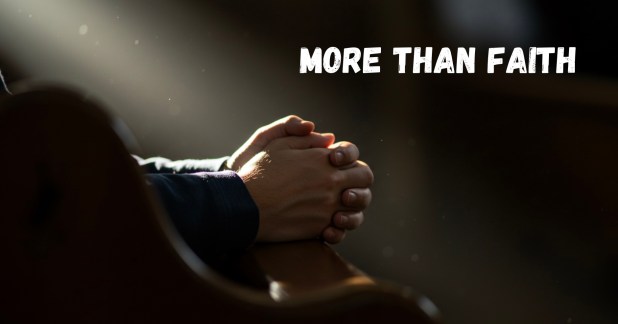
Job, More Than Faith

Job, More Than Faith

Job’s Turning Point and the Forgotten Secret of Restoration

This week, a friend sent me one of those quotes that pop up on social media and make your soul either tremble or sneeze. It read:

“Do you know why Job recovered everything he had lost? Because he lost everything except his faith. He lost everything except his trust in G‑d.”

Beautiful, isn’t it? Worthy of a frame, complete with a soundtrack of celestial harps and perhaps even a pastel gradient background. But, as with most phrases dressed in spiritual profundity, this one began to itch the back of my mind. And theological itches are never solitary. They bring with them questions, astonishment and, as the Hebrews would say, a great deal of cheshbon nefesh—a deep accounting of the soul. Because, come to think of it, is it really true that Job was restored simply because he did not lose his faith? Is that all? Unshakable faith, double reward, spiritual loyalty points redeemed and voilà, everything falls back into place? Can the most unsettling book in the Bible really be resolved with an Instagram poster?

The faith that survives, but does not explain everything. Yes, it is true. Job did not lose his faith. Or at least not the kind of faith we typically define, this trembling yet firm trust that G‑d is still there, still good, even when the world collapses like a house of cards set alight. He did not curse G‑d, as his wife suggested (Job 2:9). He did not flee, though he did cry out. And oh, how he cried. In fact, if you think prayers should be polite, composed and nicely folded, then do not read Job. Or do read it, but sit down first, with a cup of tea and no expectation of emotional stability. Job does not simply ask questions. He protests. He does not understand. He demands. He bleeds in poetry. But there is something curious. The story of Job spans 42 chapters. And the turning point comes right at the end, in chapter 42, verse 10:

“And the Lord turned the captivity of Job when he prayed for his friends.”

And here, dear reader, we step into sacred and unsettling ground. The moment everything changed: from ashes to forgiveness. Take note of the detail. G‑d did not turn Job’s fortune when he endured the pain. Nor when he held on to his integrity. Not even when he silenced himself to hear G‑d speak from the whirlwind.

The turning point, the hafach (הפך), the reversal, came when Job prayed for his friends. The very same friends who had accused him, judged him and wielded theology like a weapon to wound.

And who were these friends?

• Eliphaz, the Temanite, was the first to speak. He appealed to tradition and experience. In short: “You’re suffering? Then you must have sinned. G‑d is just, and the just don’t go through this for no reason.”

• Bildad, the Shuhite, followed along the same path, only harsher. He spoke of divine justice as if it were a cold equation. “If your children died, it was because they deserved it.” Yes, he actually said that.

• Zophar, the Naamathite, was even more direct: “You should be thankful. G‑d is being kind. In truth, you deserve worse.”

These were the men who came to comfort, but instead theologised Job’s pain. Rather than embrace him, they pointed fingers. Rather than weep with him, they offered rigid doctrines, as if someone else’s suffering were a moral puzzle to be solved. Praying for them was an act of radical mercy. It was to love the unjust. To forgive the unforgivable. To intercede for those who had not only failed to console but had deepened his wounds in the name of G‑d. And it was in that gesture, so human, so divine, that the heavens moved. It seems that emunah (אמונה), faith, was necessary, yes, but not sufficient. The final key was not merely to believe, but to love. Not merely to endure, but to transform. It is not hard to have faith while waiting for G‑d to “fix everything”. But what we do with that faith is what separates the survivor from the truly restored.

The kind of faith that becomes a bridge. Job, shattered, covered in ashes, still bleeding, prays for those who wounded him. He becomes a vessel of rachamim (רחמים), of mercy. And in that moment, something shifts, not only in Job but in the very spiritual atmosphere of the story. Because he does not pray once everything is resolved. He prays from within the pain, not after it. This is where Job’s faith blossoms. Because faith that closes in on itself, clinging to “I’ll endure this because it will all be worth it”, may survive, but it does not heal. The faith that heals is the kind that opens, even while bleeding, into intercession.

Job becomes a shaliach, a messenger, an intercessor, an ambassador of peace between heaven and earth. And has this not always been what moves G‑d? When the people of Israel built the golden calf, it was Moses’ intercession that stayed G‑d’s hand (Exodus 32:11–14). When Daniel sought to understand what would come upon his people, it was through prayer that the heavens were stirred (Daniel 9). When Yeshua hung upon the cross, it was by praying for those who crucified him that he sealed the greatest act of redemption in history (Luke 23:34).

What we do with faith matters more than what we claim to believe. It is easy to say we have faith while expecting a reward. It is comforting to think that if we keep ourselves composed and do not grumble too much, G‑d will give us everything back, and more. But that would be treating the Almighty like some sort of spiritual rewards manager. Faith, in the Bible, is not currency. Faith is covenant. It is emunah, a word that carries the sense of loyalty, steadfastness and an ongoing relationship. Above all, it is a path that leads us outward, toward others.

Job was restored not because he believed, but because, even with every reason to shut down, he chose to open up. And this makes me ask: what about us? Have we used our faith as a shield of waiting, or as a bridge of transformation? Are we sitting around waiting for life to “go back to normal” simply because we “still believe”? Or is it time to take the next step, the one that forgives, that intercedes, that turns pain into a gift?

The choice to love after grief. Perhaps the greatest test of Job’s faith was not enduring without cursing, but praying for those who wounded him without expecting anything in return. That, I dare say, is mature faith. Or perhaps we should call it love in the form of faith. Job did not know he would be restored. He did not make a strategic prayer to unlock blessings. He simply prayed. He chose to love. And that made him healed, even before he was healed.

The teshuvah (תשובה), the return, the restoration, came when he turned his face toward others. And this may well be the most neglected lesson of the book: that true healing begins when faith ceases to be a defence mechanism and becomes an act of compassion. And now, what shall we do with that? My invitation today is not that you have more faith. But that you do something with the faith you already have. Pray for someone who hurt you. Forgive someone who never asked for forgiveness. Become a bridge, even while you are still in the valley.

Remember, the G‑d of Job was not silent because he was indifferent. He was waiting for the moment when suffering would cease to be a prison and become a path of mercy.

After all, faith is not just what keeps you standing. It is what, when given away, can lift others too.

And that is the only kind of faith that truly heals.

Adivalter Sfalsin

Jó, mais do que Fé

Jó, mais do que Fé

A Reviravolta de Jó e o Segredo Esquecido da Restauração

Esta semana, uma amiga me enviou uma daquelas frases que pipocam nas redes sociais e fazem a alma da gente estremecer ou espirrar. Dizia assim:

“Sabe por que Jó recuperou tudo o que havia perdido? Porque ele perdeu tudo, menos a fé. Perdeu tudo, menos a confiança em D‑us.” Bonito, não? Digno de moldura, trilha sonora com harpas celestiais e talvez até um fundo em degradê pastel. Mas, como acontece com a maioria das frases que vestem roupa de sabedoria profunda, essa também começou a me coçar atrás da orelha. E coceiras, especialmente as teológicas, nunca vêm sozinhas. Elas vêm com perguntas, com espantos e, como diriam os hebreus, com muita cheshbon nefesh, ou seja, com exame da alma. Porque, veja bem, é mesmo verdade que Jó foi restaurado porque não perdeu a fé? Foi só isso? Fé inabalável, prêmio em dobro, créditos celestiais acumulados e voilà, tudo volta ao lugar?

Será que o livro mais inquietante da Bíblia pode ser resolvido com um pôster de Instagram?

A fé que sobrevive, mas não explica tudo. Sim, é verdade. Jó não perdeu a fé. Ou, pelo menos, não a fé como geralmente a definimos, essa confiança, mesmo trêmula, de que D‑us ainda está lá, ainda é bom, mesmo quando o mundo rui como um castelo de cartas em chamas. Ele não amaldiçoou D‑us, como sua esposa sugeriu (Jó 2:9). Ele não fugiu, embora tenha gritado. E como gritou!

Aliás, se você acha que orações devem ser suaves, educadas e compostas, não leia Jó. Ou leia, mas sente-se antes, com um copo de chá e sem expectativas de estabilidade emocional. Jó não apenas questiona, ele protesta. Ele não entende. Ele exige. Ele sangra em poesia. Mas há algo curioso. A história de Jó tem 42 capítulos. E a reviravolta acontece somente no finalzinho, no capítulo 42, verso 10:

“E o Senhor mudou a sorte de Jó quando ele orava pelos seus amigos.”

E aqui, meu caro leitor, entramos em território sagrado. E desconcertante.

O momento da virada: do pó ao perdão

Note o detalhe. D‑us não “mudou a sorte” de Jó quando ele resistiu à dor. Nem quando ele manteve sua integridade. Nem quando se calou para ouvir o Senhor falar do turbilhão. A virada, o hafach (הפך), a inversão, veio quando Jó orou por seus amigos, aqueles mesmos que o acusaram, julgaram, e fizeram da teologia uma arma para ferir.

E quem eram esses amigos?

• Elifaz, o temanita, foi o primeiro a falar. Apelou à experiência e à tradição. Em resumo: “Você está sofrendo? Deve ter pecado. D‑us é justo, e os justos não passam por isso à toa.”

• Bildade, o suíta, seguiu na mesma linha, mas com mais dureza. Falou sobre justiça divina como se fosse uma equação fria. “Se seus filhos morreram, foi porque mereceram.” Sim, ele disse isso.

• Zofar, o naamatita, foi ainda mais direto: “Você devia agradecer, porque D‑us está sendo até bondoso. Na verdade, você merece coisa pior.”

Esses homens, que deviam consolar, teologizaram a dor. Em vez de abraçar Jó, apontaram o dedo. Em vez de chorar com ele, ofereceram explicações rígidas, como se o sofrimento alheio fosse um quebra-cabeça moral a ser resolvido.

Jó, então, não orou por amigos “gentis”. Orar por eles foi um ato de misericórdia radical. Foi amar o injusto. Perdoar o imperdoável. Interceder por quem não só falhou no consolo, mas aumentou o sofrimento com palavras “em nome de D‑us”. E é nesse gesto tão humano, tão divino que o céu se moveu. Parece que a emunah (אמונה), a fé, foi necessária, sim mas não suficiente. A chave final não estava apenas em crer, mas em amar. Não apenas em suportar, mas em transformar. Não é difícil ter fé enquanto se espera que D‑us “resolva tudo”. Mas o que fazemos com essa fé é o que separa o sobrevivente do restaurado.

A fé que vira uma ponte. Jó, quebrado, sujo de cinzas, ainda ferido, ora por quem o feriu. Ele se torna um canal de rachamim (רחמים), de misericórdia. E, nesse instante, algo muda, não só em Jó, mas no próprio cenário espiritual da história. Porque ele não ora com tudo resolvido. Ele ora a partir da dor, não depois dela. É aqui que a fé de Jó floresce. Porque fé que se fecha, que se acorrenta ao “eu aguento firme porque vai valer a pena”, pode até resistir. Mas não cura. A fé que cura é a que se abre, mesmo sangrando, em intercessão. Jó se torna um shaliach, um intercessor, um embaixador de paz entre o céu e a terra. E não é isso o que sempre moveu D‑us? Quando o povo de Israel constrói o bezerro de ouro, é a intercessão de Moisés que impede a destruição (Êxodo 32:11-14). Quando Daniel quer entender o que virá sobre seu povo, é pela oração que os céus se movem (Daniel 9). Quando Yeshua está na cruz, é intercedendo pelos que o crucificam que ele sela o maior ato de redenção da história (Lucas 23:34).

O que fazemos com a fé importa mais do que dizemos crer. É fácil dizer que temos fé quando esperamos uma recompensa. É reconfortante pensar que, se não reclamarmos demais, se não perdermos a compostura, D‑us nos devolverá tudo em dobro. Mas isso seria tratar o Todo-Poderoso como uma espécie de gerente de recompensas espirituais. Fé, na Bíblia, não é moeda de troca. Fé é aliança. É emunah, palavra que carrega o sentido de fidelidade, firmeza, relação contínua. E, acima de tudo, é uma estrada que nos leva até os outros. Jó foi restaurado não porque creu, mas porque, mesmo tendo motivos para se fechar, ele se abriu. 

E isso me faz perguntar: e nós? Será que temos usado nossa fé como um escudo de espera, ou como uma ponte de transformação? Será que estamos esperando a vida “voltar ao normal” só porque “não perdemos a fé”? Ou será que precisamos dar o próximo passo, aquele que perdoa, que intercede, que transforma dor em dom?

A escolha de amar depois do luto. A maior prova de fé de Jó talvez não tenha sido suportar sem amaldiçoar, mas orar por quem o machucou sem pedir nada em troca. Isso é o que chamo de fé madura. Ou talvez devêssemos chamá-la de amor em estado de fé. Jó não sabia que seria restaurado. Ele não fez uma oração estratégica para destravar bênçãos. Ele simplesmente orou. Escolheu amar. E isso o tornou curado, antes mesmo de estar curado.

A teshuvá (תשובה), o retorno, a restauração, veio quando ele virou o rosto para os outros. E essa talvez seja a lição mais negligenciada do livro: a verdadeira cura começa quando a fé deixa de ser um mecanismo de proteção e se torna um gesto de compaixão. E agora, o que faremos com isso?

Meu convite hoje não é que você tenha mais fé. Mas que faça algo com a fé que já tem. Ore por alguém que te feriu. Perdoe quem não pediu perdão. Torne-se ponte, mesmo quando você ainda está no vale. Lembre-se: o D‑us de Jó não estava em silêncio porque era indiferente. Ele esperava o momento em que o sofrimento deixasse de ser uma prisão e se tornasse uma estrada de misericórdia.

Afinal, a fé não é apenas aquilo que te sustenta, mas aquilo que, quando entregue, pode sustentar outros. E essa é a única fé que realmente cura.

Adivalter Sfalsin

Leia também:

📖 Deseja crescer mais no conhecimento da Palavra?

Siga nosso canal de estudos bíblicos no WhatsApp e mergulhe conosco nas verdades eternas das Escrituras.

🌿 Reflexões diárias. 🌍 Temas profundos. 💡 Espiritualidade prática.

👉 Clique aqui para entrar: 

Blank Page

Blank Page

The Renewal of Mercy

Have you ever woken up on one of those mornings where the alarm sounds more like a sentence, and the mirror seems to say, “Seriously? You’re trying again?” Well, congratulations, welcome to real life. The good news is: you’re also firmly on G‑d’s radar of grace. Yes, that same grace that doesn’t flinch at your mess or write you off just because yesterday fell apart.

Jeremiah, the prophet of tears (and let’s be honest, of some of the most underlined verses in the Bibles of weary souls), wrote these words amidst the ashes of Jerusalem:

“Because of the Lord’s mercies we are not consumed… they are new every morning. Great is Your faithfulness” (Lamentations 3:22–23).

This wasn’t written while swinging in a hammock on the coast with a coconut in hand. No, it was penned in the total collapse of a city and a people.

In fact, Jeremiah was surrounded by devastation. The Temple had been destroyed by the Babylonians in 586 BCE, the holy city had been looted, its walls reduced to rubble. The leaders had been exiled, and those who remained were starving, humiliated, and without hope. The prophet, once dismissed for his warnings, was now weeping over the consequences he had long foretold. The book of Lamentations is the lament of a soul walking through the ruins of a public faith in collapse, yet still daring to believe that G‑d remains faithful even when everything else appears lost.

The Hebrew word for “mercies” here is חַסְדֵי (chasdei), the plural form of chesed, which is more than kindness. It’s a fierce, loyal love that keeps showing up, even when no response is possible. It doesn’t say “I love you if,” but “I love you even though.” This chesed is the glue holding a shattered soul together. But hold on, it gets even more profound. Another key word in this verse is רַחֲמָיו (rachamav), His mercies. This comes from the Hebrew root רֶחֶם (rechem), which means… womb. That’s right. Mercy, in the language of the Bible, is as intimate and protective as a mother’s womb. It’s not about pity, but a visceral, sheltering, surrounding kind of love. It’s as though, when G‑d sees us stumble, He doesn’t say, “There goes that sinner again,” but, “My child needs a place to be held.” Like a mother who doesn’t count her baby’s faults, but simply gathers them back into her arms. It changes everything, doesn’t it? When Jeremiah says we haven’t been consumed, he’s not philosophising about human resilience. He’s saying: “The only reason we’re still here is because G‑d’s womb is wide enough to hold our despair.” The people weren’t erased because there was still a chesed clinging to the rubble, and a rachamim breathing life into the dust.

And then comes my favourite part: “They are new every morning.” The Hebrew uses the word חֲדָשִׁים (chadashim), from chadash, new, fresh, unprecedented. G‑d doesn’t recycle mercy with the stale scent of last week’s forgiveness. No. It’s completely new, special. Every single morning. And that’s not just poetic, it’s the kind of truth that rescues a soul from the pit and whispers, “Live again.” Do you realise what it means to wake up and find that G‑d has already handed you a new opportunity before you’ve even remembered what you did yesterday? Jewish tradition says that when we open our eyes in the morning, it’s as if heaven is saying: “Here’s your blank page, write something new today.” You might have a failure record worthy of a Netflix series, but if you’re breathing today, then there’s enough mercy to script something entirely new.

May I tell you what moves me most in this verse? Jeremiah finishes with:

“Great is Your faithfulness.”

The Hebrew word is אֱמוּנָתֶךָ (emunatecha), deeper than mere belief. It’s steadiness. Consistency. The faithfulness of G‑d is the kind of structure that doesn’t wobble when you fall apart. It’s the foundation that holds through tears, doubt, sin, and still says: “I’m here.” You see, G‑d never promised a pain-free life. Jeremiah knew that better than anyone. But he saw that, within the pain, there was a Presence. That in the heart of grief, there was a Love that wouldn’t let the soul vanish. That’s faithfulness.

Maybe you’re walking through ruins too. Not physical ones, but emotional. You look at your life and see the pieces of a dream that didn’t survive, the shards of a broken relationship, the dust of a season that promised much and delivered little. And right in the middle of all this… appears a blank page. Yes, a crisp, white sheet. You might think it’s just another day on the calendar. But in heaven’s eyes, it’s a new chance in the book of grace. As if G‑d lays a fresh page before you and says: “Write again. I’m here. Start over with Me.”

Now listen, this isn’t about being soft on sin. It’s not divine denial. It’s a holy invitation to repentance that leads to restoration. G‑d’s womb doesn’t generate excuses, it gives birth to new life. He doesn’t cover your mistakes with silence; He transforms them into testimony. Mercy isn’t escape from justice, it’s the path into it. This is exactly what Yeshua offered the woman caught in adultery. After silencing her accusers, He didn’t ignore her or condemn her. He simply said:

“Go, and sin no more” (John 8:11).

It wasn’t harshness, it was freedom. It was as if He said: “Here’s your blank page. Now write a different story.”

And honestly, what greater gift could there be than that? A life that seemed lost, recovered with purpose and honour.

Perhaps today is the day to stop clinging to torn pages soaked in guilt. Take the one He’s offering you , clean, bright, alive. Write on it with faith, even if your handwriting trembles. Write “forgiveness.” Write “trust.” Write “thank You.” G‑d isn’t looking for flawless resumes, He’s looking for hearts that are willing. The grace that brought you this far is more than able to carry you forward. And if you’re still breathing, it’s because the Author of life has decided your chapter continues. You’re still part of the story.

So rise, brew that cup of tea if needed, and say with Jeremiah:

“Great is Your faithfulness!”

Because even if you don’t feel it, it’s still there.

Even if everything seems lost, G‑d still has mercies enough to rebuild you — one morning at a time.

Adivalter Sfalsin

Página em Branco

Página em Branco

O Recomeço das Misericórdias

Se você já acordou num daqueles dias em que o despertador soa como uma sentença e o espelho te olha com aquela cara de “sério que você vai tentar de novo?”, parabéns: seja bem vindo a realidade da vida. A boa notícia é que você também está no radar da graça divina. Sim, essa graça que não se escandaliza com seus erros, nem desiste de você só porque ontem tudo deu errado e saiu torto.

Jeremias, o profeta das lágrimas (e convenhamos, dos versículos mais sublinhados nas Bíblias de gente cansada), escreveu em meio às cinzas de Jerusalém: “As misericórdias do Senhor são a causa de não sermos consumidos… renovam-se a cada manhã. Grande é a tua fidelidade” (Lamentações 3:22–23). Isso não foi escrito numa rede à beira-mar com uma água de coco na mão, mas em meio ao colapso total de uma cidade e de um povo.

Na verdade, Jeremias estava cercado por devastação. O Templo havia sido destruído pelos babilônios em 586 a.C, a cidade santa havia sido saqueada, os muros caíram, os líderes foram levados ao exílio, e o povo que permaneceu estava faminto, humilhado e sem esperança. O profeta, conhecido por suas advertências ignoradas, agora chorava as consequências daquilo que ele havia anunciado. O livro de Lamentações é o lamento de uma alma que caminha pelas ruínas de uma fé pública em colapso, mas que ainda ousa acreditar que D‑us permanece fiel mesmo quando tudo parece perdido.

A palavra hebraica para “misericórdias” nesse texto é חסדי (chasdei), plural de “chesed”, que é mais do que um gesto de bondade. É aquele amor leal, persistente, que insiste mesmo quando não há retribuição possível. Um tipo de amor que não diz “eu te amo se”, mas “eu te amo, mesmo que”. Esse chesed é como a cola que segura a alma quando tudo o mais desmorona.

Mas espere um pouco, fica ainda melhor. A outra palavra chave aqui é רַחֲמָיו (rachamav) – Suas misericórdias. Essa vem da raiz רֶחֶם (rechem), que significa… “útero”. Isso mesmo. Misericórdia, na Bíblia, tem cheiro de ventre materno. Não se trata de pena ou dó, mas de um amor visceral, protetor, envolvente. É como se D‑us, ao nos ver tropeçar, não dissesse “lá vai de novo esse pecador”, mas sim: “meu filho precisa de abrigo”. Como uma mãe que não mede o erro do bebê, mas o embala de volta nos braços. Isso muda tudo, não?

Quando Jeremias diz que não fomos consumidos, ele não está filosofando sobre resiliência humana. Ele está dizendo: “a única razão de ainda estarmos aqui é porque D‑us tem um ventre largo o bastante para caber o nosso desespero”. O povo não foi varrido do mapa porque ainda havia um chesed agarrado aos escombros e um rachamim soprando vida em meio ao pó.

E aí vem o detalhe que mais me encanta: “renovam-se a cada manhã”. O hebraico usa o termo חֲדָשִׁים (chadashim), de chadash – novo, fresco, inédito. Não é que D‑us nos joga uma misericórdia velha com cheirinho de mofo espiritual. É nova. Completamente. Sagrada. A cada manhã. E isso não é só poesia, é o tipo de verdade que resgata uma alma do fundo do poço e a convida a viver de novo.

Você entende o que significa acordar e descobrir que D‑us já te deu uma nova oportunidade antes mesmo de você lembrar o que fez ontem? A tradição judaica diz que ao abrirmos os olhos pela manhã, é como se o céu dissesse: “Te dou uma nova pagina em branco, escreva uma nova historia hoje”. Você pode ter um histórico de falhas digno de uma série da Netflix, mas se você está vivo hoje, então há misericórdias suficientes para o roteiro novo.

Posso te contar o que mais me comove nesse versículo? Jeremias encerra o verso com: “Grande é a tua fidelidade”. A palavra hebraica é אֱמוּנָתֶךָ (emunatecha) algo mais profundo do que fé. É firmeza, constância. A fidelidade de D‑us é aquela estrutura que não treme quando você desaba. É o alicerce que aguenta o choro, a dúvida, o pecado e ainda diz: “Estou aqui”.

Veja, D‑us não prometeu que não haveria dores. Jeremias sabia disso melhor do que ninguém. Mas ele viu que, em meio à dor, havia uma Presença. Que no meio do luto, havia um Amor que não deixava a alma evaporar. Isso é fidelidade.

Talvez você também esteja em ruínas. E não falo de escombros físicos, mas emocionais. Você olha para a vida e vê os pedaços de um sonho que não deu certo, os estilhaços de um relacionamento quebrado ou a poeira de uma fase que prometia e não entregou. E no meio disso tudo, surge uma página em branco.

Sim, uma folha limpinha. Você pode dizer que é só mais um dia no calendário. Mas no céu, é uma nova chance no livro da graça. É como se D‑us colocasse diante de você uma página em branco e dissesse: “Escreve de novo. Eu estou aqui. Recomeça comigo”.

E não, isso não é permissividade. Não é fazer vista grossa ao pecado. É o convite ao arrependimento que leva à restauração. O ventre de D‑us não gera desculpas, mas nova vida. Ele não encobre os erros; Ele os transforma em testemunho. Misericórdia não é fuga da justiça, é o caminho para ela.

Foi o que Yeshua ofereceu à mulher flagrada em adultério. Depois de silenciar seus acusadores, Ele não a ignorou nem a condenou. Disse apenas: “Vá, e não peques mais” (João 8:11). Não foi uma ordem de dureza, mas uma liberação de peso. Foi como se dissesse: “Você tem uma folha nova. Agora escreva uma história diferente.” Que presente maior pode haver do que esse? Uma vida que parecia perdida, retomada com propósito e honra.

Talvez hoje seja o dia de parar de carregar folhas rasgadas e encharcadas de culpa. Pegue a que Ele te oferece, limpa, branca, viva. Escreva nela com fé, mesmo que a letra saia trêmula. Escreva “perdão”. Escreva “confiança”. Escreva “obrigado”.

D‑us não está à procura de currículos perfeitos, mas de corações disponíveis. A graça que te trouxe até aqui é suficiente para te levar adiante. E se você ainda está respirando, é porque o Autor da vida decidiu renovar o capítulo. Você ainda está no enredo.

Então levante-se, tome um café se for preciso, e diga com Jeremias: “Grande é a Tua fidelidade!” Porque mesmo que você não sinta, ela está lá. Porque mesmo que tudo pareça perdido, D‑us ainda tem misericórdias suficientes para te reconstruir, uma manhã de cada vez.

Adivalter Sfalsin

📖 Deseja crescer mais no conhecimento da Palavra?

Siga nosso canal de estudos bíblicos no WhatsApp e mergulhe conosco nas verdades eternas das Escrituras.

🌿 Reflexões diárias. 🌍 Temas profundos. 💡 Espiritualidade prática.

👉 Clique aqui para entrar: 

https://whatsapp.com/channel/0029VbAOiEAJJhzhZD8dH90P

Revealed Shalom

Revealed Shalom

Sometimes a single phrase carries the weight of the universe. The priestly blessing, spoken over the people of Israel generation after generation, reaches its climax with these words:

“The Lord lift up His face upon you and give you peace” (Numbers 6:26).

The Hebrew language, dense and precise, unveils layers of meaning far beyond what a surface glance can grasp. Let us begin with the first phrase:

“Yissá Adonai panav eleycha” — “The Lord lift up His face upon you.”

“Yissá” (יִשָּא) comes from the root verb “nasa” (נָשָּא), meaning to lift, carry, or elevate. This is not merely a physical gesture. It is a gesture of favour. In ancient times, when a king lifted his face toward a subject, it was a sign of acceptance. The opposite of rejection. A face is lifted when there is interest, when there is affection. The Lord does not turn away His face; He raises it. He looks upon us as one who deeply values what He sees.

This “face”, panav (פָּנָיו), is the plural form of panim, and it never appears in the singular. Why? Because the face of G‑d does not bear a single expression. It reflects the plurality of His being — mercy, judgement, tenderness, power, justice, consolation. When the text says that the Lord lifts His face upon you, it means that all divine attention is turned toward you. It is a gaze that knows you, sees you as you are, and does not turn away. A gaze that restores wounded identity, that calls you by the true name only G‑d knows.

And where does this gaze lead? To peace.

“Ve-yasem lecha shalom” — “and give you peace.”

But in Hebrew, the verb “to give” isn’t used. Instead, it says yasem (וְיָשֵׂם), which means to place, to establish, to implant. G‑d doesn’t merely offer peace like handing over a gift. He implants it. He embeds it like a deep root in the soul. It is not dependent on circumstances, politics, or emotional calm. Shalom, peace, is more than the absence of war. It is wholeness. It is alignment with the Creator. It is a heart that rests because it knows who sustains it. It is reconciliation — with oneself and with heaven.

The word shalom (שָׁלוֹם), in traditional gematria, has the value of 376. Fascinatingly, this is the same value as Yeshuá (יֵשׁוּעַ), the Hebrew name of Jesus. Coincidence? Perhaps not. For the peace G‑d implants within us finds its fullest expression in the person of the Messiah. He is the face of G‑d among men, as John 1:14 declares:

“The Word became flesh and dwelt among us, and we beheld His glory.”

But to understand the full weight of this blessing, we must look back — all the way to Eden.

The Manifest Presence of G‑d in Eden

Genesis 3:8 tells us:

“They heard the voice of the Lord G‑d walking in the garden in the cool of the day…”

The Hebrew reads: qol Adonai Elohim mithalekh bagan, the voice of G‑d “moving about” in the garden.

While the term “face” is not explicitly mentioned here, the sense of Presence is undeniable. Jewish tradition holds that humanity originally lived panim el panim, face to face with the Creator. It was perfect revelation, direct communion, the original state of harmony.

The Fall: Hiding from the Face

The verse continues:

“…and Adam and his wife hid themselves from the face of the Lord G‑d among the trees of the garden.”

The Hebrew says pnei Adonai — the face of the Lord.

This is the rupture. The man who once lived before the face of G‑d now hides from it. Guilt, shame, and sin broke the relationship. The face that once brought life now brings fear. The separation is not merely spatial. It is existential. The soul has been torn from its source of peace.

From Eden to the Face That Restores

Expulsion from Eden meant expulsion from the revealed Presence. But the entire biblical narrative is the story of G‑d seeking to restore that encounter. The priestly blessing, with its longing that the Lord lift His face upon us, echoes this divine desire for reconciliation.

In the Tabernacle, G‑d dwells once again among men, yet behind veils. Moses experiences a glimpse of Eden as he speaks to G‑d “face to face” (Exodus 33:11), but even then, he cannot behold the fullness of divine glory. Humanity longs for the face it lost. It cries out for light.

Yeshuá: The Face of G‑d Among Us

John 1:18 declares:

“No one has ever seen G‑d; the one and only Son, who is in the bosom of the Father, He has made Him known.”

In Hebrew thought, to reveal is to uncover the face. Yeshuá, then, is the face of G‑d shining once more upon humankind. He looks upon lepers, sinners, outcasts — and in each gaze, divine favour is restored. On the cross, He feels the pain of the hidden face (“My G‑d, why have You forsaken Me?”), so that we might once again receive the Father’s gaze.

Revelation: The Face Recovered

The final promise is in Revelation 22:4:

“They shall see His face.”

The end of the story is not abstract heaven, it is full reconciliation. The biblical journey closes where it began: G‑d and humanity, face to face. But now, redeemed, restored, sealed with His Name on our foreheads.

Personal Reflections

1. You are seen. Even in your pain, confusion, or failure, the face of G‑d can still rise upon you. His favour is not earned through perfection but embraced through surrender.

2. Peace is not the absence of conflict. It is the assurance that the One who sees you walks with you. He establishes peace within the chaos.

3. A call to Presence. To live under G‑d’s face is to seek constant communion, through prayer, through Scripture, through a living awareness.

4. The transforming gaze. G‑d’s gaze is never neutral. It purifies, corrects, welcomes, and commissions. To be seen by G‑d is to be changed into His likeness.

5. Reflect the face. As the moon reflects the sun, we are called to carry this light. “You are the light of the world,” said Yeshuá. To receive His face is also to extend it to others.

Live under the Face that is lifted.

Perhaps today you feel far from Eden, like someone who has lost their way among the trees, burdened by the shame of Adam. Perhaps you walk through a shadowed valley, sensing only absence. Yet the Father still walks in the garden. He still calls your name. He still longs to lift His face upon you. The priestly blessing is not a relic of the past. It is a living reminder that the Creator sees you, seeks you, and desires to plant peace within your heart like a seed that grows in fertile soil. This is not empty optimism, but deep spiritual realism: G‑d still lifts His face. He still shines His light on those who seek Him. He still calls. So lift your face as well. Seek His. Receive the peace that has a name and a face, Yeshuá.

And live as one touched by the light that never fades. One day, it shall be the only light we see.

Until then, may He continue to lift His face upon you and grant you the shalom that heals, sustains, and transforms.

Adivalter Sfalsin

Other articles:

Shalom Revelado

Shalom Revelado

Às vezes, uma simples frase carrega o peso do universo. A bênção sacerdotal, pronunciada sobre o povo de Israel geração após geração, culmina com estas palavras: “O Senhor sobre ti levante o Seu rosto e te dê a paz” (Números 6:26).

A língua hebraica, densa e precisa, revela camadas de significado que vão muito além do que um olhar superficial pode captar. Comecemos com a primeira expressão: “Yissá Adonai panav eleycha” , “O Senhor levante sobre ti o Seu rosto”.

“Yissá” (יִשָּא) vem do verbo “nasa” (נָשָּא), que significa erguer, carregar, elevar. Não se trata apenas de um gesto físico. É um gesto de favor. Em tempos antigos, quando um rei levantava o rosto para um súdito, isso significava aceitação. Era a antítese da rejeição. O rosto ergue-se quando há interesse, quando há afeto. O Senhor não vira o rosto; Ele o levanta. Ele nos contempla como quem valoriza profundamente aquilo que vê.

Esse rosto, “panav” (פָּנַיו), forma plural de “panim”, nunca aparece no singular. Por quê? Porque o rosto de D‑us não tem uma única expressão. Ele carrega a pluralidade do Seu ser: misericórdia, juízo, ternura, poder, justiça, consolo. Quando o texto diz que o Senhor levanta o Seu rosto sobre ti, ele está dizendo que toda a atenção divina se volta para você. É um olhar que te conhece, que te vê como és, e mesmo assim não desvia o olhar. Um olhar que restaura a identidade ferida, que chama pelo nome verdadeiro que só D‑us conhece.

E para onde esse olhar conduz? Para a paz. “Ve-yasem lecha shalom” — “e te dê a paz”. Mas o hebraico não usa o verbo “dar”, e sim “yasem” (וְיָשֵׁם), que significa colocar, estabelecer, implantar. D‑us não apenas oferece a paz como quem entrega um presente. Ele a implanta. Ele a finca como raiz profunda na alma. Não depende de circunstâncias, de cenários políticos, de calmarias emocionais. Shalom, a paz, é mais do que a ausência de guerra. É inteireza. É alinhamento com o Criador. É um coração que descansa porque sabe quem o sustenta. É reconciliação do ser consigo mesmo e com o céu.

A palavra “shalom” (שָׁלוֹם), em sua gematria tradicional, tem o valor de 376. Curiosamente, esse é o mesmo valor da palavra “Yeshuá” (יֵשׁוּעַ), o nome hebraico de Jesus. Coincidência? Talvez não. Porque a paz que D‑us implanta em nós encontra sua expressão final na pessoa do Messias. Ele é o rosto de D‑us entre os homens, como diz João 1:14: “E o Verbo se fez carne, e habitou entre nós, e vimos a sua glória.”

Mas para entender o peso dessa bênção, precisamos olhar para trás, até o Éden.

A Presença Manifesta de D‑us no Éden. Em Gênesis 3:8, lemos: “E ouviram a voz do Senhor D‑us, que passeava no jardim pela viração do dia…” A expressão hebraica é “קוֹל יְהוָה אֱלֹהִים מִתְהַלֵּךְ בַּגָּן” (qol Adonai Elohim mithalekh bagan) , a voz de D‑us que “se movia” ou “passeava” no jardim.

Ainda que o termo “face” não seja usado diretamente, a ideia é clara: D‑us estava presente, sensivelmente. A tradição entende que ali o homem vivia panim el panim , face a face com o Criador. É a revelação plena, o contato direto, o estado original de comunhão.

A Queda: o Esconder-se da Face. Gênesis 3:8 continua: “…e esconderam-se Adão e sua mulher da presença do Senhor D‑us entre as árvores do jardim.” A palavra usada para “presença” é פְּנֵי יְהוָה (pnei Adonai) , literalmente, “a face do Senhor”.

Aqui está a ruptura. O homem que antes vivia diante da face de D‑us, agora se esconde. A culpa, a vergonha e o pecado quebraram a relação. O rosto que trazia vida, agora causa temor. A separação não é apenas física , é existencial. A alma foi arrancada da fonte de sua paz.

Do Éden ao Rosto que Restaura. A expulsão do Éden é a expulsão da presença revelada de D‑us. Mas toda a história bíblica é a narrativa da busca de D‑us para restaurar esse encontro. A bênção sacerdotal, com seu desejo de que o Senhor levante o rosto sobre nós, é uma declaração desse anseio divino por reconciliação.

No tabernáculo, D‑us volta a habitar entre os homens, mas atrás de véus. Moisés experimenta de novo algo do Éden quando fala com D‑us “face a face” (Êxodo 33:11), e ainda assim, não vê Sua glória por completo. A humanidade anseia pela face perdida. Clama por luz.

Yeshuá: O Rosto de D‑us Entre Nós. João 1:18 afirma: “Ninguém jamais viu a D‑us; o Filho unigênito, que está no seio do Pai, esse O revelou.” Em hebraico, o verbo revelar está ligado à ideia de descobrir o rosto. Yeshua é, portanto, o Rosto de D‑us que volta a brilhar sobre a humanidade. Ele olha os leprosos, os pecadores, os esquecidos , e em cada olhar, o favor de D‑us é restaurado. Ele sente na cruz o peso do ocultamento da face (“Deus meu, por que me desamparaste?”), para que pudéssemos receber o olhar do Pai de novo.

Apocalipse: O Rosto Recuperado. A promessa final está em Apocalipse 22:4: “Eles verão o Seu rosto.” O fim da história não é céu genérico, é reconciliação plena. A jornada da Bíblia termina como começou: com D‑us e o homem face a face. Mas agora, redimido, restaurado, selado com o nome dEle na fronte.

Aplicações Pessoais:

1. Você é visto. Mesmo em sua dor, confusão ou pecado, o rosto de D‑us pode se levantar sobre você. O favor divino não depende de perfeição, mas de rendição.

2. A paz não é ausência de conflitos. É a certeza de que Aquele que vê, está contigo. Ele estabelece paz dentro do caos.

3. Chamado à presença. Viver debaixo do rosto de D‑us é viver em busca constante de comunhão. É oração viva, é leitura viva, é consciência viva.

4. Rosto que transforma. O olhar de D‑us não é neutro. Ele purifica, corrige, acolhe, envia. Ser olhado por D‑us é ser transformado à imagem dEle.

5. Refletir o rosto. Como a lua reflete o sol, somos chamados a levar essa luz. “Vós sois a luz do mundo”, disse Yeshua. Receber o rosto dEle é também oferecê-lo aos outros.

Viva sob o Rosto que se ergue. Talvez hoje você se sinta distante do Éden, como quem perdeu o caminho entre as árvores e carrega no peito a vergonha de Adão. Talvez esteja num vale escuro, onde tudo o que se percebe é ausência. Mas o Pai ainda caminha no jardim. Ainda chama pelo nome. Ainda deseja erguer o rosto sobre você. A bênção sacerdotal não é apenas uma fórmula antiga, é a lembrança viva de que o Criador te vê, te busca, e quer plantar paz em seu coração como quem finca raízes no solo fértil da alma. Não é sobre otimismo vazio, mas sobre um realismo espiritual profundo: D‑us ainda levanta o rosto. Ainda acende o olhar sobre aqueles que O procuram. Ainda chama. Por isso, levante também o teu rosto. Busca o dEle. Receba a paz que tem um nome e um rosto: Yeshuá. E vive como quem foi tocado pela luz que nunca se apaga. Um dia, essa será a única luz que veremos. Até lá, que Ele continue a erguer o Seu rosto sobre ti e te conceda o shalom que cura, sustenta e transforma.

Adivalter Sfalsin

Leia também:

📖 Deseja crescer mais no conhecimento da Palavra?

Siga nosso canal de estudos bíblicos no WhatsApp e mergulhe conosco nas verdades eternas das Escrituras.

🌿 Reflexões diárias. 🌍 Temas profundos. 💡 Espiritualidade prática.

👉 Clique aqui para entrar: 

https://whatsapp.com/channel/0029VbAOiEAJJhzhZD8dH90P