Broken Tablets

Broken Tablets

A Love Deeper than Perfection

Picture yourself, just for a moment, standing atop a mountain. Literally. Imagine the sky stretched in brilliant blue above your head, thunder and lightning still echoing in the distance like the tail-end of a celestial drumroll. And in your hands, two heavy stones. But not just any stones. These were carved by the very finger of G‑d. The living Word etched into cold, lifeless rock. A moment sacred. Weighty. Unrepeatable. Now imagine climbing down from that mountain only to find, not a people waiting in holy awe, but a people dancing around a golden calf, as though they had never left Egypt, at least not in heart. And then, without hesitation, you smash the tablets.

Moses did. And, quite honestly, who could blame him?

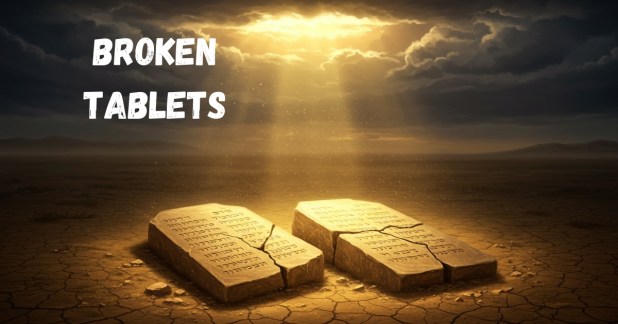
The first tablets of the G-d’s instructions, the most precious gift Israel had ever received, were hurled to the ground and shattered at the foot of the mountain. A theatrical gesture? Perhaps. An act of desperation? Certainly. But above all, it was prophetic. Because those broken tablets, as painful as it may be to admit, are also ours. They reflect the human soul: beautifully made, divinely written, and broken.

Here’s something curious. The Bible doesn’t tell us exactly what happened to the broken shards. They might have been swept away with the desert dust, forgotten like discarded sacred clutter. But Jewish tradition preserves something profound. The rabbis teach that the fragments of the first tablets were kept inside the Ark of the Covenant, alongside the whole, restored ones. This tradition is rooted in the words of Deuteronomy. “At that time the Lord said to me, ‘Chisel out two stone tablets like the first ones and come up to Me on the mountain. Also make a wooden ark. I will write on the tablets the words that were on the first tablets, which you broke, and you shall place them (old and new) in the ark.’” (Deuteronomy 10:1–2). And later Moses says, “So I turned and went down the mountain and put the tablets in the ark I had made, as the Lord commanded me, and they are there now.” (Deuteronomy 10:5). This clearly refers to the second set of tablets, but tradition holds that both the whole and the broken were placed together in the holiest place of all. 

Imagine that. Inside the sacred Ark, the very symbol of G‑d’s presence among His people, rested not only what had been restored, but also what had been shattered. It’s as though G‑d Himself were saying, “I do not forget your failures. I redeem even your fragments.” And that’s the heart of it. Faith is not built on a collection of flawless victories, but on a love that refuses to walk away even in the face of the most humiliating defeat. The first covenant was broken. The marriage contract torn apart on the wedding night. Literally. The divine pact was shattered by the hands of a grieved prophet. And yet, or perhaps because of that, G‑d offered a second chance. But the new covenant wasn’t quite like the first. The first tablets were entirely divine. G‑d Himself carved the stone and inscribed the words. The second, however, required more from the human side. Moses chiselled the stone this time, and only then did G‑d rewrite the commandments. A subtle shift, but deeply meaningful. The partnership now demanded more human effort. The relationship had matured.

Have you noticed this in real relationships? The first love is often impulsive, idealistic, even naïve. But the second, after reconciliation, tends to be more thoughtful, more grounded, more enduring. Not because we pretend the pain never happened, but because we face it together. It’s tempting to hide the wreckage of our past. We paper over our inner cracks with religious varnish, clever phrases, or shallow promises. But the broken tablets are there to remind us: you have failed. And more importantly, you were loved nonetheless. G‑d didn’t replace the shattered tablets. He didn’t say, “Throw them away.” He said, “Keep them with Me.” He teaches us that what is broken still has value. That there is beauty in restoration. That there is hope in remembrance.

There is something liberating, almost revolutionary, about admitting your failures before G‑d. Not to wallow in guilt, but to build something new upon truth rather than illusion. We must remember where we came from. We must look back and recognise that we were once idolaters, unfaithful, selfish, ungrateful. We built our own golden calves, fashioned from career, vanity, religion, control, or even our own image of a god made in our likeness. But we also need to look forward. Not with arrogance, but with reverence. Not with an illusion of perfection, but with holy fear. A fear rooted in love. A reverence grounded in grace. A covenant renewed not by merit, but by mercy. We are called to begin again. The broken tablets are a calling. A reminder that G‑d’s presence walks with us not in spite of our failures, but through them. True repentance is not self-hatred. It is a movement toward love. A love that does not deny the truth but transforms it.

What’s broken in your story? Do you, like Moses, need to come down from the mountain, confront your idols, and start again, this time with hands marked by the carving of new tablets? Do you need to stop hiding the shards and place them, with tears and hope, before the Most High? The new covenant was not built on the thrill of the Exodus, but on the grief of the golden calf. Not on spectacular miracles, but on a deeper reverence. A persistent love. A sacred awe.

Perhaps this is what G‑d always wanted. Not perfection, but a relationship born out of sincere repentance. A bond that survives disappointment. A people who walk not just with whole tablets, but with broken ones too. So next time you look back and see only the shattered pieces of your mistakes, remember: they are not the end of the story. They might be the beginning of something new. Don’t hide the fragments. Bring them into the Presence. Place them in the Ark. They belong there. Because the One who wrote the first tablets is the same who writes again on the tablets that we have Chiseled. And He does so with love and waits for us to do the same.

Adivalter Sfalsin

Read also:
Tábuas Quebradas

Tábuas Quebradas

Um Amor Mais Profundo que a Perfeição

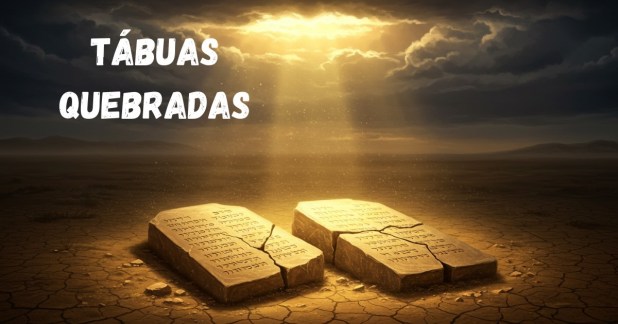
Suponha, por um instante, que você está no topo de uma montanha. Literalmente. Vamos imaginar que você está ali, com o céu estalando azul acima de sua cabeça, trovões e relâmpagos ainda ecoando nas nuvens como ecos de um tambor celestial. E nas mãos, duas pedras pesadas, não qualquer pedra, mas esculpidas pelo dedo de D‑us. A Palavra viva, gravada em pedra. Um momento solene, sagrado. Agora imagine descer daquela montanha e encontrar, não um povo de olhos brilhando de expectativa, mas um povo dançando ao redor de um bezerro dourado, como se tivessem voltado para o Egito não com os pés, mas com o coração. E então, sem hesitar, você quebra as tábuas. Moisés o fez. E, honestamente, quem pode culpá-lo? As primeiras tábuas da Lei, o presente mais precioso que Israel já recebera, foram lançadas ao chão e despedaçadas aos pés da montanha. Um gesto teatral? Talvez. Um ato de desespero? Certamente. Mas acima de tudo, foi um ato profético. Porque aquelas tábuas quebradas, por mais que doa admitir, são também nossas. Elas são um espelho da alma humana: belamente feitas, divinamente escritas, e… partidas.

Agora, aqui está algo curioso. A Bíblia não nos diz explicitamente o que aconteceu com os pedaços quebrados. Poderiam ter sido varridos com o pó do deserto, esquecidos como tralha sagrada. Mas a tradição judaica preserva algo sublime: os rabinos dizem que os pedaços quebrados das primeiras tábuas foram guardados na Arca da Aliança, ao lado das tábuas novas. Baseiam-se principalmente nos seguintes textos: “Naquela ocasião o Senhor me disse: ‘Lave duas tábuas de pedra como as primeiras, e suba ao monte para encontrar-me. Faça também uma arca de madeira. Eu escreverei nas tábuas as palavras que estavam nas primeiras, que você quebrou, e você as (ambas) colocará dentro da arca’” (Deuteronômio 10:1–2)

E então Moisés diz: “Então virei e desci do monte e coloquei as tábuas na arca que havia feito, conforme o Senhor me ordenara, e ali estão até hoje.” (Deuteronômio 10:5) Aqui se refere ao segundo conjunto de tábuas, mas a tradição preserva a ideia de que ambas, as inteiras e as quebradas, estavam ali dentro.

Imagine isso. Dentro da Arca sagrada, símbolo máximo da presença de D‑us entre os homens, repousam não só o que foi restaurado, mas também o que foi despedaçado. É como se o próprio D‑us dissesse: “Eu não me esqueço das falhas. Eu redimo até os cacos.” E aqui está a chave. A fé não é construída sobre uma coleção de vitórias impecáveis, mas sobre um amor que se recusa a desistir mesmo diante dos fracassos mais humilhantes. A primeira aliança foi quebrada, o contrato de casamento rasgado na primeira noite. Literalmente. A aliança divina foi quebrada pelas mãos de um profeta indignado. E mesmo assim, ou talvez por causa disso, D‑us oferece uma segunda chance. Mas essa nova aliança não é como a primeira. As primeiras tábuas foram obra 100% divina, D‑us mesmo esculpiu e escreveu. Já as segundas, veja bem, foram esculpidas por Moisés, e apenas as palavras foram reescritas por D‑us. Um gesto sutil, mas significativo. Agora, a parceria requer mais esforço humano. A fé amadurece.

Você já percebeu isso nos relacionamentos? O primeiro amor pode ser impulsivo, idealista, ingênuo até. Mas o segundo, quando há reconciliação, costuma ser mais maduro, mais consciente, mais profundo. Não porque ignoramos os erros, mas porque os encaramos juntos. É muito tentador tentar esconder os destroços do passado. Tapamos os buracos da alma com verniz religioso, frases de efeito, promessas vazias. Mas as tábuas quebradas estão ali para nos lembrar: você já falhou. E, mais importante ainda, você foi amado mesmo assim. Aliás, D‑us não substitui as tábuas quebradas. Ele não diz “jogue fora isso”. Ele diz: “Guarde-as comigo”. Ele nos ensina que o quebrado tem valor. Que há beleza na restauração. Que há esperança no reconhecimento.

Há algo de extraordinariamente libertador em admitir nossas falhas diante de D‑us. Não para nos martirizarmos, mas para construir algo novo sobre a verdade, não sobre a ilusão. A memória dos cacos Porque precisamos nos lembrar de onde viemos. Precisamos olhar para trás e reconhecer que fomos idólatras, infiéis, egoístas, ingratos. Que fizemos nossos próprios bezerros dourados, feitos de carreira, vaidade, religião, controle, ou mesmo da imagem de um deus criado à nossa própria semelhança. Mas precisamos, também, olhar para frente. Não com arrogância, mas com reverência. Não com a ilusão de perfeição, mas com o temor santo de quem sabe que foi resgatado. Que o pacto não foi renovado por merecimento, mas por misericórdia. Somos chamado para recomeçar. As tábuas quebradas são um chamado. Um lembrete de que a presença de D‑us caminha conosco, não apesar dos nossos fracassos, mas através deles. O arrependimento verdadeiro não é um estado de auto-aversão, mas um movimento em direção ao amor. Um amor que não ignora a verdade, mas a redime.

Será que você precisa, como Moisés, descer da montanha, enfrentar os ídolos, e começar tudo de novo, desta vez com as mãos calejadas pela escultura das novas tábuas? Será que você precisa parar de esconder os cacos e colocá-los, com lágrimas e esperança, diante do Altíssimo? Amor, temor e reverência. A nova aliança não foi construída sobre o entusiasmo do êxodo, mas sobre o luto do bezerro de ouro. Não sobre milagres espetaculares, mas sobre um novo temor, uma reverência profunda, e um amor persistente. Talvez seja isso que D‑us sempre quis: não perfeição, mas uma aliança que nasce do arrependimento sincero. Uma relação que sobrevive às decepções. Um povo que caminha com as tábuas inteiras… e também com as quebradas.

Então, da próxima vez que você olhar para trás e enxergar só os estilhaços dos seus erros, lembre-se: eles não são o fim da história. Eles podem ser o começo de algo novo. Não esconda os cacos. Leve-os até a Presença Divina. Coloque-os na Arca. Eles pertencem lá. Pois aquele que nos deu as primeiras tábuas é o mesmo que escreve novamente, nas tábuas que nós esculpimos. E o faz com amor e espera que nós façamos o mesmo.

Adivalter Sfalsin

Leia também:

Siga nosso canal de estudos bíblicos no WhatsApp e mergulhe conosco nas verdades eternas das Escrituras.

🌿 Reflexões diárias. 🌍 Temas profundos. 💡 Espiritualidade prática.

👉 Clique aqui para entrar: 

The Second Chance

The Second Chance

What if G‑d’s greatest gifts must first be broken before we can truly receive them?

This question echoes across the Scriptures, from Mount Sinai to Golgotha, from the shattered tablets to the pierced body of Messiah. The history of Israel is not simply a cycle of disobedience and forgiveness. It is a living testimony that G‑d is the One who brings redemption out of brokenness. He does not abandon His people when they fail. Instead, He meets them in the very place of failure and offers something even deeper: a second chance. At Sinai, G‑d gave Israel the covenant written by His own hand. Yet before the people were ready to carry His Word, those stone tablets were shattered. Moses descended the mountain and saw the people dancing around a golden calf. The covenant had not even been fully received, and already it was broken, not by G‑d, but by man. Similarly, when Yeshua came to His people and to humanity as a whole, offering the Kingdom of Heaven, He too was rejected and broken, not only by Jews but by Gentiles as well. Both events reveal a sobering pattern. Our failures may interrupt G‑d’s plan, but they do not destroy it. Instead, they open the door to the mystery and mercy of the second chance. This is more than a theological idea. It is a divine pattern. The G‑d of Israel does not discard what is broken. He restores, rewrites, and grants anew what we have failed to receive.

In the book of Deuteronomy, Moses recalls how Israel’s greatest national sin, the golden calf, did not end the story. The first tablets were destroyed on the 17th of Tammuz, marking a moment of national disgrace. But G‑d’s covenant mercy was not cancelled. After forty days of repentance, Moses climbed the mountain again. And on Yom Kippur, he descended with a second set of tablets, still the Word of G‑d, but now entrusted to a people who had been humbled. This is the rhythm of divine discipline. G‑d does not ignore rebellion, but neither does He end the story in judgment. He breaks us in order to rebuild us, not weaker, but wiser. Israel’s relationship with G‑d continued, marked now not just by revelation but by repentance. The parallel with Yeshua is profound. When He first came, He brought the offer of the Kingdom. Many Jewish leaders rejected Him, though multitudes of Jewish followers embraced Him. His mission, however, was resisted. To the natural eye, it appeared to fail. The precious gift, the Messiah Himself, was pierced, mocked, and crucified by Gentiles and some Jews alike, those who failed to appreciate the gift. But what seemed like the end was the turning point. Through His resurrection, Yeshua secured not only forgiveness but the unshakable promise of His return, not only to Israel but to all humanity. Just as Israel received the Torah a second time, the world will receive Messiah a second time. His mission was not cancelled. It was deepened, delayed for the sake of redemption. To human eyes, His life may have ended in ruin, like the shattered tablets on Sinai. But in truth, the cross became the foundation of restoration. Through His brokenness, we received reconciliation. And through His return, we will receive the fullness of His Kingdom.

In Deuteronomy chapters 7 to 11, we are reminded that G‑d’s people are sustained by more than material provision. Moses says:

“Man does not live by bread alone, but by every word that comes from the mouth of the Lord” (Deut. 8:3).

Yeshua Himself quoted this verse during His time of testing in the wilderness, anchoring His identity not in hunger but in obedience. Even in a land flowing with milk and honey, the ultimate source of life is G‑d’s word. The seven species of the land, wheat, barley, grapes, figs, pomegranates, olives, and honey, speak of blessing. Yet Moses emphasizes that true nourishment does not come from food alone. Even our eating must become a spiritual act. He commands:

“When you have eaten and are satisfied, bless the Lord your G‑d” (Deut. 8:10).

Here we find another kind of second chance. Not through grand historical events but through ordinary daily rhythms. Each meal becomes an opportunity to bless. Each moment of failure, an invitation to return. Even in small things, we are reminded that His mercy meets us again and again.

Love and Fear, Heart and Law. Later in Deuteronomy, Moses asks:

“And now, Israel, what does the Lord your G‑d require of you? To fear the Lord your G‑d, to walk in all His ways, to love Him, to serve Him with all your heart and with all your soul, and to keep His commandments for your good” (Deut. 10:12–13).

This beautiful tension, love and fear, defines a healthy spiritual life. Fear without love becomes rigid and cold. Love without reverence becomes shallow and self-indulgent. But together, they form the basis of true obedience. And here again, we see the second chance. Many today think Torah is just a list of rules, and that grace means freedom from those rules. But the deeper reality is that Yeshua came not to abolish the Torah but to circumcise our hearts, to transform us from within so that we might walk in His commandments by the Spirit. The issue was never the law itself. The problem was always the heart. But hearts can be changed.

Moses pleaded with the people:

“Circumcise the foreskin of your heart, and be no longer stubborn” (Deut. 10:16).

Circumcision is the act of cutting away. Spiritually, it represents the removal of pride, sin, and resistance. Less becomes more. For those who desire to walk in G‑d’s ways, the path begins with surrender. What is unnecessary must go. The Kingdom requires that we be made new, not only in mind but in heart. The prophet Jeremiah echoed this promise centuries later, saying that in the days to come, G‑d would write His law on the hearts of His people (Jeremiah 31:33). This is the goal of every second chance, not just forgiveness but transformation.

After Israel’s sin, Moses ascended the mountain again. This time, the people waited. They did not repeat the error of the golden calf. They understood that the time of waiting mattered. We too live in a time of waiting, between Yeshua’s first coming and His return. In Luke 12, Yeshua tells a parable about a servant who assumes the master is delayed and begins to live carelessly. But the master returns suddenly. The question is not whether Messiah will return but how He will find us when He does.

The second chance is not just a historical truth. It is a present calling. What are we doing with the time we’ve been given? Living the Second Chance

The second chance is not merely theological. It is deeply practical. It shapes how we live today.

• Receive your failures as invitations

Like Israel at Sinai, our mistakes may feel final. But in G‑d’s hands, even shattered tablets become the foundation of a deeper covenant. When you fall, rise again with repentance.

• Practice gratitude daily

The Torah teaches us to bless after eating. Begin with small habits of thanksgiving, and your heart will become more attuned to G‑d’s grace in everyday life.

• Balance love and reverence

Come to G‑d both as a Father to be loved and a King to be honoured. This balance protects obedience from becoming either burdensome or careless.

• Prepare in the waiting

We live between what is broken and what will be restored. Let this time be used to cultivate holiness, faithfulness, and watchfulness.

The story of the second tablets and the promise of Messiah’s return point to one truth.

G‑d is the G‑d of second chances. His gifts may be broken. His plans may be delayed. But His mercy never fails. Each of us carries our own shattered tablets, moments of regret, rebellion, or sorrow. But G‑d does not discard us. He rewrites the covenant on new tablets, on hearts made soft by repentance. The real question is not whether He will return. It is whether we will be ready. May we be found faithful, grateful, and obedient, walking not only in the light of His Word but in the Spirit of His law.

May that day come quickly, speedily, and in our lifetime. Amen.

Adivalter Sfalsin

Segunda chance

Segunda Chance

E se os maiores dons de D‑us precisassem primeiro ser quebrados para que pudéssemos realmente recebê-los?

Essa pergunta ecoa por toda a Escritura, do Monte Sinai ao Gólgota, das tábuas estilhaçadas ao corpo transpassado do Messias. A história de Israel não é apenas um ciclo de desobediência e perdão, mas um testemunho vivo de que D‑us escreve histórias de redenção em meio aos escombros da fragilidade humana. Ele não abandona Seu povo em tempos de falha. Pelo contrário, Ele se aproxima no momento da queda e oferece algo ainda mais profundo: uma segunda chance. No Sinai, D‑us entregou a Israel uma aliança escrita por Sua própria mão. No entanto, antes que o povo estivesse preparado para carregar Suas palavras, aquelas tábuas de pedra foram quebradas. Moisés desceu do monte e viu a nação entregue à idolatria, dançando ao redor de um bezerro de ouro. A aliança foi rompida antes mesmo de ser plenamente recebida. Não foi quebrada por D‑us, mas pelo próprio homem. Séculos depois, quando Yeshua veio ao mundo, trazendo a oferta do Reino dos Céus, Ele também foi rejeitado e quebrado, não apenas por judeus, mas também por gentios. A história se repetia: a dádiva foi recusada, o portador da aliança foi transpassado.

Ambos os momentos revelam um padrão divino. As falhas humanas podem interromper os planos de D‑us, mas não os destroem. Elas abrem o caminho para algo ainda mais misterioso e belo, a segunda chance.

Isso revela quem somos: falhos. Revela quem D‑us é: misericordioso. Essa verdade vai além de uma ideia teológica. É um padrão espiritual. O D‑us de Israel não descarta o que foi quebrado. Ele restaura. Ele reescreve. Ele concede novamente aquilo que foi perdido ou rejeitado.

No livro de Deuteronômio, Moisés relembra que o pecado do bezerro de ouro, um dos momentos mais vergonhosos da história de Israel, não foi o fim. As primeiras tábuas foram destruídas no dia 17 de Tamuz do calendário hebraico, mas a misericórdia de D‑us não cessou ali. Após quarenta dias de intercessão e arrependimento, Moisés subiu novamente ao Sinai. E no dia de Yom Kipur (dia do perdão), ele desceu com um novo conjunto de tábuas, ainda contendo a Palavra de D‑us, mas agora entregues a um povo quebrantado. Esse é o movimento da disciplina divina. D‑us não ignora a rebeldia, mas tampouco encerra a história com julgamento. Ele permite que sejamos quebrados para que sejamos reconstruídos. Não mais frágeis, mas mais sábios. O relacionamento entre Israel e D‑us seguiu em frente, agora marcado não apenas pela revelação, mas também pelo arrependimento. Esse padrão se manifesta de forma ainda mais clara no Messias. Quando Yeshua veio pela primeira vez, trouxe consigo o convite ao Reino. Muitos líderes O rejeitaram, mas uma multidão de judeus O acolheu. Ainda assim, Sua missão encontrou resistência. Aos olhos humanos, tudo parecia terminar em fracasso. O dom precioso, o próprio Filho, foi zombado, transpassado e crucificado por gentios com a conivência de alguns judeus, por aqueles que igualmente não reconheceram o valor da dádiva. Mas o que parecia ser o fim foi, na verdade, o ponto de partida. Por meio da ressurreição, Yeshua não apenas garantiu o perdão, mas também selou a promessa de Sua volta. Assim como Israel recebeu a Torá pela segunda vez, o mundo receberá o Messias pela segunda vez. Sua missão não foi cancelada, ela foi aprofundada. Foi adiada, não por fraqueza, mas para que a redenção alcançasse mais corações. Aos olhos humanos, tudo parecia perdido, como as tábuas quebradas no Sinai. Mas a cruz se tornou o alicerce da restauração. Através da Sua entrega, recebemos reconciliação. E com Sua volta, receberemos a plenitude do Seu Reino.

Nos capítulos 7 a 11 de Deuteronômio, somos lembrados de que a vida não é sustentada apenas por comida ou bênçãos materiais. Moisés declara:

“O ser humano não vive só de pão, mas de toda palavra que procede da boca do Senhor” (Deuteronômio 8:3).

Yeshua também usou esse versículo ao ser tentado no deserto, afirmando que Sua força vinha da obediência e da Palavra, não de saciar o estômago. Mesmo em uma terra que mana leite e mel, a verdadeira fonte de vida é a voz de D‑us. As sete espécies da Terra: trigo, cevada, uvas, figos, romãs, azeitonas e mel, simbolizam abundância. Mas Moisés ensina que o alimento mais importante é espiritual. E até mesmo o ato de comer se torna um momento de comunhão com o Criador:

“Quando tiveres comido e estiveres satisfeito, bendize ao Senhor teu D‑us” (Deuteronômio 8:10).

Esse gesto simples, bendizer após comer, revela uma nova dimensão da segunda chance. Não apenas nas grandes narrativas, mas também nas rotinas diárias, o Eterno nos convida a recomeçar. Cada refeição pode se tornar uma oportunidade de bênção. Cada falha, uma chance de retorno. Até nos momentos mais comuns, a misericórdia de D‑us se renova.

Moisés faz uma pergunta profunda ao povo:

“E agora, Israel, que é que o Senhor teu D‑us exige de ti? Que temas o Senhor teu D‑us, que andes em todos os Seus caminhos, que O ames, que O sirvas de todo o teu coração e de toda a tua alma, e que guardes os mandamentos do Senhor, para o teu bem” (Deuteronômio 10:12–13).

Essa tensão entre amor e temor define a espiritualidade bíblica. Temor sem amor gera ritualismo frio. Amor sem temor gera frivolidade, descuido e atrevimento. Juntos, formam o solo fértil da obediência genuína. E mais uma vez, vemos a segunda chance se revelar.

Há quem pense que a Torá é apenas um código de regras e que a graça veio para eliminá-las. Mas Yeshua não veio para abolir a Torá. Ele veio para circuncidar os corações. Veio para que o Espírito escrevesse a Lei (Torá) por dentro. O problema nunca foi a Lei, como diz o salmista ela é Salmo 19:7. “A Torá do Senhor é perfeita, restaura a alma.” O problema sempre foi o coração. Mas corações podem ser transformados. Moisés clamou:

“Circuncidai, pois, o prepúcio do vosso coração, e não endureçais mais a vossa cerviz” (Deuteronômio 10:16).

A circuncisão do coração significa remover o orgulho, a resistência, o pecado. É um processo de esvaziamento, de santificação. Na economia divina menos (o remover do prepúcio) é mais. Para andar com D‑us, é preciso deixar para trás aquilo que impede a caminhada. E como profetizou Jeremias, chegará o tempo em que a Torá (Lei) será escrita nos corações do povo (Jeremias 31:33). Essa é a verdadeira segunda chance: não apenas perdão, mas transformação.

Depois da queda com o bezerro de ouro, Moisés subiu novamente ao monte. O povo, dessa vez, esperou. Não repetiu o erro. Entendeu que o tempo da espera também era sagrado. Nós também vivemos entre dois momentos: a primeira vinda de Yeshua e Sua prometida volta. Em Lucas 12, Ele conta uma parábola sobre um servo que pensa que seu senhor está demorando e começa a viver de forma irresponsável. Mas o senhor volta de surpresa. A questão não é se o Messias voltará. É como Ele nos encontrará. A segunda chance não é apenas uma memória do passado. É um chamado atual.

A segunda chance não é apenas doutrina. Ela é prática. Ela molda o modo como vivemos agora.

• Receba suas falhas como convites

Assim como Israel no Sinai, nossas falhas podem parecer definitivas. Mas nas mãos de D‑us, até o que foi quebrado pode se tornar base de uma aliança ainda mais profunda. Quando cair, levante-se com arrependimento.

• Pratique a gratidão todos os dias

A Torá nos ensina a abençoar depois de comer. Comece com pequenas atitudes de gratidão e logo seu coração perceberá os sinais da graça de D‑us nas coisas simples.

• Equilibre amor e reverência

Busque a D‑us como Pai que ama e como Rei que governa. Esse equilíbrio impede que a obediência se torne fardo ou descuido.

• Prepare-se durante a espera

Vivemos entre o que foi quebrado e o que será restaurado. Use esse tempo para crescer em santidade, vigilância e amor.

A história das segundas tábuas e a promessa da volta do Messias apontam para uma única verdade essencial:

Nosso D‑us é o D‑us das segundas chances. Suas dádivas podem ser quebradas. Seus planos podem parecer adiados. Mas Sua misericórdia jamais falha. Todos nós carregamos nossas tábuas partidas, episódios de culpa, rebelião ou tristeza. Mas D‑us não nos rejeita. Ele reescreve Sua aliança em tábuas novas. Ele escolhe corações quebrantados para revelar Sua fidelidade. A pergunta não é se Ele voltará, mas se estaremos prontos quando Ele retornar. Que sejamos encontrados fiéis, gratos e obedientes, andando não apenas na luz de Sua Palavra, mas no Espírito da Sua Lei.

Que esse dia venha logo, com rapidez, ainda em nossos dias. Amém.

Adivalter Sfalsin

Emptiness or Presence?

Emptiness or Presence?

In the Silence of the Stars, the Voice of the Creator,

On a recent holiday, I had the privilege of stepping outside under a clear sky and lifting my eyes upward. Away from the noise of the city and the heavy glow of artificial lights, the heavens opened before me in a way I had rarely seen. The sky was a canvas of brilliance, countless stars scattered across it like sparks frozen in place. A soft haze stretched across the horizon, faint yet undeniable, the Milky Way, our home galaxy, arched across the night. The air was cool, the earth quiet, and above me was a silence deeper than anything words could express. For a long while, I simply stood there, letting my eyes adjust, letting the immensity settle into me. There was beauty, yes, but also something unnerving. A reminder of how small, fleeting, and fragile we are. In those stars lay distances I could not measure, mysteries I could not grasp, a history stretching back beyond the imagination. And yet, in that immensity, in that vast silence, I felt not nothingness but presence.

Modern astronomy tells us that the universe is not static. Galaxies are hurtling away from each other, space itself is stretching like an endless fabric, and the cosmos is expanding into an unknown horizon. What we see when we look up at the sky is not just stars as they are, but stars as they were, their light travelling for thousands, even millions of years before finally reaching our eyes. In that sense, every starlit night is also a window into the past, a glimpse of history written in light. And still, for all the knowledge science has given us, there remains something hauntingly silent about it all. Space is not filled with sound but with stillness. Between those stars is a near-perfect vacuum, an emptiness so complete it defies human experience. The more we learn about the cosmos, the more overwhelming its silence seems to become. No wonder the psalmist once wrote: “When I consider your heavens, the work of your fingers, the moon and the stars, which you have set in place, what is mankind that you are mindful of them, human beings that you care for them?” (Psalm 8:3–4). Standing beneath the heavens, the psalmist felt what many of us feel even today. The tension between the immensity of the universe and the smallness of human life.

Emptiness or Presence? Some would say the silence of the universe speaks of its emptiness. To them, the night sky is indifferent, a cold expanse of matter and energy, without voice, without meaning. And yet, the biblical tradition offers another interpretation. Silence, in Scripture, is not always absence; often, it is the very medium of G-d’s presence. When Elijah fled to the wilderness and sought the voice of G-d, he did not hear it in the storm, nor in the earthquake, nor in the fire. Instead, it came in what is often translated as “a gentle whisper” (1 Kings 19:11–12). In the silence after the chaos, in the stillness beyond the noise, the prophet encountered the voice of the Eternal. So too with the cosmos. The silence of the stars is not empty but full. Full of meaning, full of awe, full of a presence that words cannot capture. The heavens may not speak in the language of sound, but they proclaim nonetheless. As Psalm 19:1 declares: “The heavens declare the glory of G-d; the skies proclaim the work of his hands.”

The Infinite and the Finite. There is another paradox at work here. On the one hand, the stars remind us of our insignificance. We are dust on a speck of dust, fleeting lives in a universe billions of years old. Our histories, our struggles, even our greatest achievements seem fragile when measured against galaxies spinning in silence. And yet, Scripture tells us that the same G-d who calls the stars by name also knows us by name. Isaiah 40:26 speaks with astonishing intimacy: “Lift up your eyes and look to the heavens: Who created all these? He who brings out the starry host one by one and calls forth each of them by name. Because of his great power and mighty strength, not one of them is missing.” If not one star is forgotten, how much more are we remembered? The Creator who commands the galaxies bends low to listen to human prayer. The One who sustains the cosmic order is mindful of the details of our lives. The heavens may make us feel small, but they also make us feel seen.

Silence as Invitation. As I stood beneath the Milky Way on that holiday night, I found myself thinking of silence in a new way. Silence is not merely the absence of sound; it is the space in which something deeper can be heard. In the silence of the stars, I began to hear a whisper of meaning, a call to humility, a summons to wonder. Perhaps that is why silence is so often associated with worship. Habakkuk 2:20 proclaims: “The Lord is in his holy temple; let all the earth keep silence before him.” The vastness of the cosmos quiets us not because it erases us, but because it points us to something greater than ourselves. In the silence, the heart begins to listen. And in listening, we find that the Creator is not absent but profoundly present. The emptiness becomes fullness, the distance becomes intimacy, the silence becomes a voice.

It is easy, in the routine of everyday life, to forget the stars. Most of us live under skies veiled by electric glow, our nights broken by the hum of traffic and the buzz of screens. Yet the stars are still there, whether we notice them or not, still proclaiming the glory of the One who set them in place.

To look at the sky is to be reminded of our place in the story of creation. We are not at the centre, yet we are not forgotten. We are small, yet beloved. The stars tell us of a universe too vast for our minds and yet crafted by hands that care even for the sparrow that falls to the ground. Jesus himself pointed to the heavens as a reminder of divine care. In Matthew 6:26, he told his disciples: “Look at the birds of the air; they do not sow or reap or store away in barns, and yet your heavenly Father feeds them. Are you not much more valuable than they?” If the birds and the stars are held in his providence, so are we.

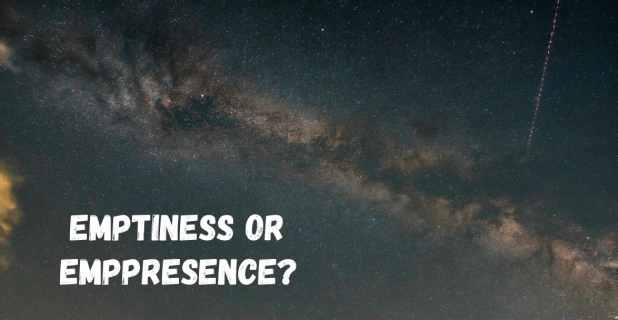
That night on holiday, I took a photograph which I share with you, a simple capture of the sky, filled with stars and the faint glow of the Milky Way. The picture is beautiful, but it is only a shadow of the reality I stood under. No lens can capture the immensity, no image the silence, no frame the presence that fills the heavens. And yet, the photograph reminds me of that moment of awe, that moment when the emptiness became presence, when the silence became voice. In the vastness of the cosmos, I found myself drawn to the One who made it, the One who speaks not through noise but through stillness, the One who holds galaxies and human hearts alike.

“Be still, and know that I am G-d.” (Psalm 46:10).

In the silence of the stars, the Creator speaks. The question is whether we will be still enough to hear.

A Sfalsin

Vazio ou Plenitude?

Vazio e Plenitude?

No Silêncio das Estrelas, a Voz do Criador

Numa recente viagem de férias, tive o privilégio de sair ao ar livre numa noite de céu limpo e levantar meus olhos para o alto. Longe do barulho da cidade e do brilho intenso das luzes artificiais, os céus se abriram diante de mim de uma maneira rara. O firmamento era como uma tela resplandecente, incontáveis estrelas espalhadas como fagulhas suspensas no espaço. Uma névoa suave se estendia pelo horizonte, tênue mas inconfundível: a Via Láctea, nossa galáxia, erguia-se no silêncio da noite. O ar estava fresco, a terra repousava em quietude, e acima de mim reinava um silêncio mais profundo do que qualquer palavra poderia expressar. Permanecei ali por muito tempo, deixando meus olhos se ajustarem, permitindo que a imensidão me envolvesse. Havia beleza, sim, mas também algo inquietante. Um lembrete de como somos pequenos, passageiros e frágeis. Naquelas estrelas havia distâncias impossíveis de medir, mistérios que escapavam à minha compreensão, uma história que se estendia muito além da imaginação humana. E, no entanto, em toda aquela imensidão, naquele silêncio imenso, não senti vazio, mas presença.

A astronomia moderna nos mostra que o universo não é estático. As galáxias se afastam umas das outras, o espaço se estende como um tecido sem fim, e o cosmo continua a expandir-se rumo a um horizonte desconhecido. O que vemos ao olhar para o céu não são apenas estrelas como são agora, mas como eram há milhares ou até milhões de anos, quando a sua luz começou a viajar até chegar a nós. Cada noite estrelada é, portanto, uma janela para o passado, um vislumbre de uma história escrita em luz. Ainda assim, apesar de todo o conhecimento que a ciência nos oferece, há algo de estranhamente silencioso em tudo isso. O espaço não é preenchido por sons, mas por quietude. Entre as estrelas existe um vácuo quase perfeito, um vazio tão absoluto que desafia nossa experiência. Quanto mais aprendemos sobre o cosmo, mais avassalador se torna o seu silêncio. Não é de admirar que o salmista tenha escrito: “Quando vejo os teus céus, obra dos teus dedos, a lua e as estrelas que estabeleceste, que é o homem para que dele te lembres? E o filho do homem, para que o visites?” (Salmo 8:3–4). Diante dos céus, ele sentiu o que muitos de nós ainda sentimos hoje: a tensão entre a grandeza do universo e a pequenez da vida humana.

Vazio ou Plenitude? Alguns diriam que o silêncio do universo é prova de vazio. Para eles, o céu noturno é indiferente, uma vastidão fria de matéria e energia, sem voz e sem sentido. No entanto, a tradição bíblica oferece outra leitura. O silêncio, nas Escrituras, não é sempre ausência. Muitas vezes, ele é justamente o meio pelo qual a presença de D-us se revela. Quando Elias fugiu para o deserto em busca da voz do Senhor, não a encontrou no vento impetuoso, nem no terremoto, nem no fogo. Mas, depois de tudo, veio um “sussurro suave” (1 Reis 19:11–12). No silêncio após o tumulto, na quietude além do ruído, o profeta encontrou a voz do Eterno. Assim também com o cosmo. O silêncio das estrelas não é vazio, mas plenitude. Plenitude de sentido, de assombro, de uma presença que nenhuma palavra pode conter. Os céus não falam em linguagem de som, mas proclamam mesmo assim. Como declara o Salmo 19:1: “Os céus proclamam a glória de D-us, e o firmamento anuncia a obra das suas mãos.”

O Infinito e o Finito? Há aqui outro paradoxo. Por um lado, as estrelas nos lembram da nossa insignificância. Somos pó sobre um grão de pó, vidas passageiras em um universo com bilhões de anos. Nossas histórias, nossas lutas, até nossas maiores conquistas parecem frágeis diante de galáxias que giram em silêncio. Por outro lado, a Escritura afirma que o mesmo D-us que chama cada estrela pelo nome também conhece o nosso. Isaías 40:26 declara com ternura: “Levantai os olhos e olhai para as alturas: quem criou tudo isso? Aquele que faz sair o exército de estrelas uma a uma, e as chama pelo nome; por causa da grandeza do seu poder e da sua força, nenhuma delas faltará.” Se nenhuma estrela é esquecida, quanto mais nós não seremos lembrados? O Criador que ordena as galáxias inclina-se para ouvir a oração humana. O mesmo que sustenta a ordem cósmica se importa com os detalhes da nossa vida. Os céus podem nos fazer sentir pequenos, mas também nos fazem sentir vistos.

O Silêncio como Convite. Naquela noite de férias, debaixo da Via Láctea, passei a enxergar o silêncio de outro modo. Silêncio não é apenas ausência de som, é o espaço onde algo mais profundo pode ser ouvido. No silêncio das estrelas, comecei a perceber um sussurro de significado, um chamado à humildade, um convite ao assombro. Talvez por isso o silêncio seja tão associado à adoração. Habacuque 2:20 proclama: “O Senhor, porém, está no seu santo templo; cale-se diante dele toda a terra.” A vastidão do cosmo nos cala não porque nos anula, mas porque nos aponta para alguém maior do que nós mesmos. No silêncio, o coração começa a escutar. E, ao escutar, descobrimos que o Criador não está ausente, mas intensamente presente. O vazio torna-se plenitude, a distância torna-se intimidade, o silêncio torna-se voz.

É fácil, no corre-corre da vida, esquecer as estrelas. A maioria de nós vive sob céus escondidos pelo brilho das cidades, noites cortadas pelo ruído do trânsito e pela luminosidade das telas. No entanto, as estrelas continuam lá, quer as vejamos ou não, proclamando a glória daquele que as colocou em seus lugares. Olhar para o céu é lembrar do nosso lugar na história da criação. Não somos o centro, mas não estamos esquecidos. Somos pequenos, mas amados. As estrelas falam de um universo vasto demais para nossa mente, e ainda assim moldado por mãos que cuidam até do pardal que cai ao chão. O próprio Jesus apontou para os céus como sinal do cuidado divino. Em Mateus 6:26, ele disse: “Olhai as aves do céu, que não semeiam, não colhem, nem ajuntam em celeiros; e vosso Pai celestial as alimenta. Não tendes vós muito mais valor do que elas?” Se as aves e as estrelas estão guardadas em sua providência, nós também estamos.

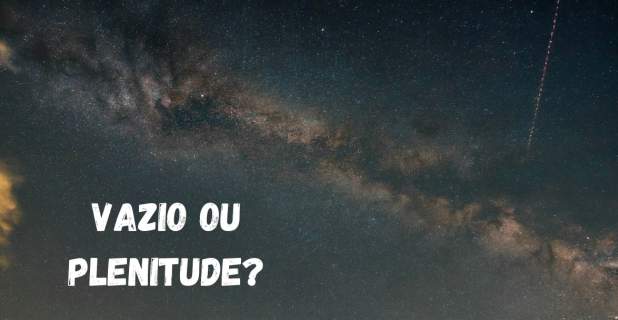
A Voz no Silêncio. Naquela noite de viagem, tirei uma fotografia, a mesma que compartilho agora, um registro simples do céu estrelado com o brilho tênue da Via Láctea. A imagem é bela, mas não passa de uma sombra da realidade que presenciei. Nenhuma lente captura a imensidão, nenhuma foto traduz o silêncio, nenhum quadro revela a presença que preenche os céus.

E, ainda assim, a fotografia me lembra daquele instante de reverência, daquele momento em que o vazio se transformou em presença, e o silêncio se fez voz. Na vastidão do universo, fui atraído para aquele que o criou, o mesmo que fala não por meio do barulho, mas da quietude, o mesmo que sustenta galáxias e também corações humanos.

“Aquietai-vos, e sabei que eu sou D-us.” (Salmo 46:10).

No silêncio das estrelas, o Criador fala. A questão é se estaremos dispostos a silenciar o bastante para ouvir.

A. Sfalsin